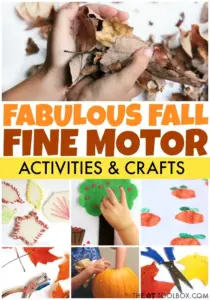
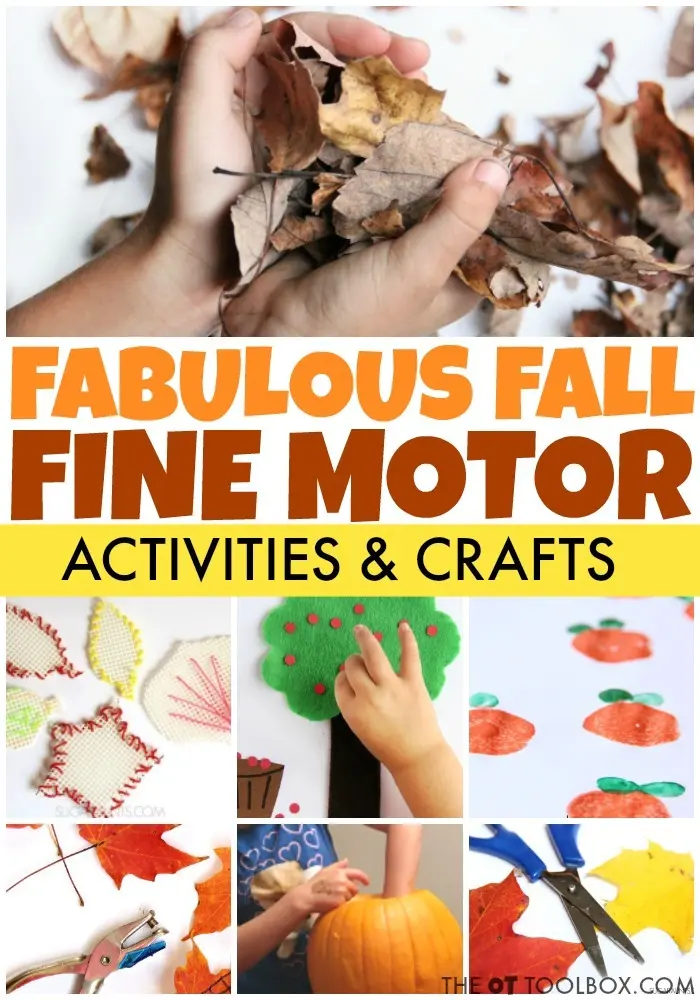
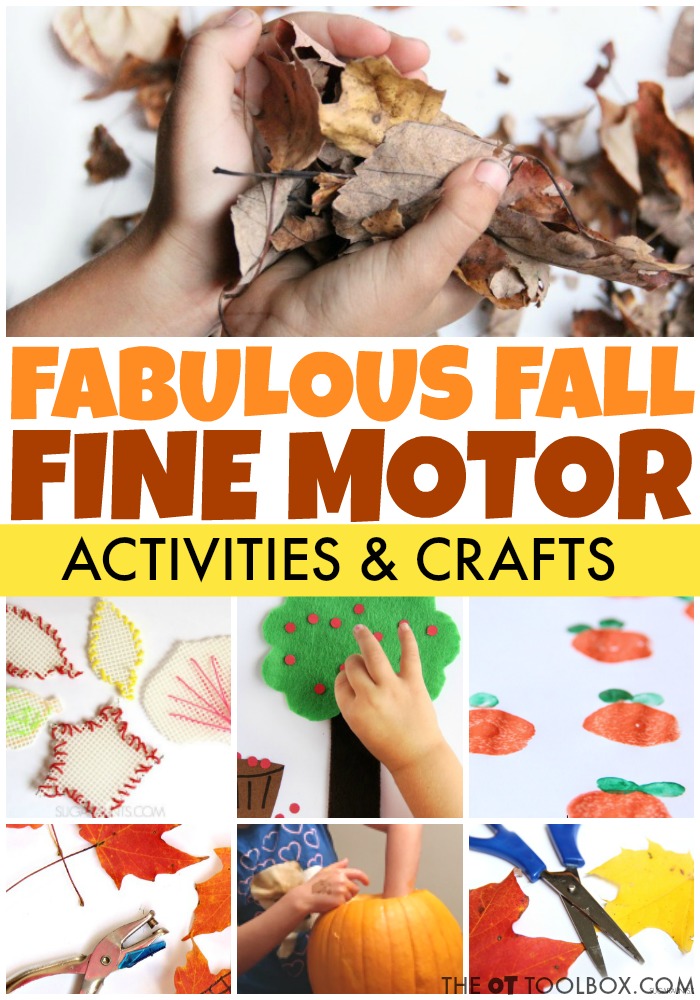
As the crisp autumn air settles in and the landscape transforms with vibrant shades of red, orange, and gold, pediatric occupational therapists, educators, and parents are increasingly turning to seasonal themes to support child development. Rather than choosing seasonal projects purely for festive entertainment, professionals in the field are utilizing natural elements—such as falling leaves, pumpkins, apples, acorns, and farm materials—to purposefully target essential fine motor milestones.
A comprehensive seasonal activity guide developed by therapeutic resources highlights how everyday autumn motifs can be integrated into structured interventions. These programs are designed to address core developmental areas, including hand strength, finger dexterity, scissor proficiency, visual-motor integration, and handwriting readiness. Because many of these hands-on tasks naturally overlap across multiple developmental domains, practitioners are finding innovative ways to adapt traditional crafts and play routines to meet individual children’s unique therapy goals.
The transition into cooler weather offers a timely backdrop for developmental support. Occupational therapy toolboxes often expand during this period to include sensory-rich experiences that encourage proper tripod grasps, toddler-friendly manipulation, and pre-writing mechanics. Practitioners emphasize that combining tactile sensory engagement with purposeful movement helps children build the intrinsic muscle strength required for daily functional tasks, ranging from buttoning clothing to managing writing utensils in the classroom.
Targeting Fall Hand Strength Through Interactive Play
Developing adequate hand strength is a foundational requirement for academic and self-care success, yet many children experience weakness in the small intrinsic muscles of the hands. To combat this, therapists utilize resistive materials like specialized dough and unique tactile tools. Play dough exercises, incorporating autumn-themed silicone molds, mini leaves, or colored beads, offer a natural form of resistance that exercises the fingers and hands through rolling, squeezing, pinching, and pressing. This heavy work provides valuable proprioceptive feedback while simultaneously supporting arch development, wrist stability, and pincer grasp refinement.
Beyond tactile dough activities, structured resources such as apple-themed geoboards invite children to stretch thick rubber bands across wooden or plastic pegs. This process requires controlled resistance and precise finger placement, simultaneously fostering bilateral coordination, visual-motor planning, and controlled release. Similarly, apple hole-punching exercises demand sustained hand force and bilateral collaboration, as children operate standard hole punches around intricate visual boundaries to create decorative leaf and fruit confetti.
Enhancing Manual Dexterity and Finger Manipulation
Manual dexterity relies on the brain’s ability to coordinate speed, precision, strength, and visual-motor integration for small, intricate movements. Fall-themed manipulatives—including craft pom-poms, seeds, paper clips, and small craft items—provide an engaging medium to transform standard dexterity drills into purposeful play.
For instance, fall tree geoboard printables encourage children to manipulate rubber bands using isolated fingertip control rather than whole-hand grasping patterns. Therapists note that utilizing the fingertips to stretch, position, and release bands builds the refined muscle control necessary for advanced tool use. In parallel, apple-themed paper-clip counting tasks require children to attach precise quantities of metal clips to laminated cards, promoting bilateral hand integration where one hand stabilizes the medium while the other executes precise opening and positioning movements. Transferring autumn-colored pom-poms using specialized tongs or tweezers into partitioned containers further refines pincer strength and visual-spatial precision.
Scissor Proficiency and Multi-Step Craft Integration
Scissor skills remain a critical milestone in early childhood development, requiring the two hands to perform completely different actions simultaneously. While the dominant hand opens and closes the scissors along a designated visual path, the non-dominant helper hand must actively stabilize, rotate, and adjust the paper.
Educators and therapists utilize apple-cutting practice pages and leaf-snipping activities to evaluate and foster these bilateral abilities. When children cut along printed lines or snip actual fallen leaves into small pieces, practitioners observe critical behavioral indicators regarding grasp patterns, paper rotation strategies, and helper-hand engagement. Furthermore, farm-themed cut-and-paste crafts elevate the cognitive and motor demands of the activity. Beyond basic cutting, children must visually interpret where pieces belong, orient them correctly, follow a multi-step assembly sequence, and apply glue with appropriate spatial awareness.
Integrating Visual-Motor and Handwriting Development
A child may possess adequate hand strength and finger dexterity, yet still encounter challenges when a task requires visual-motor coordination—the ability to translate visual information into precise motor output. Seasonal interventions address this by incorporating directed drawing pages featuring acorns, leaves, and pumpkins. These exercises require children to observe a model, plan the beginning and end points of each pencil stroke, and replicate spatial relationships on paper.
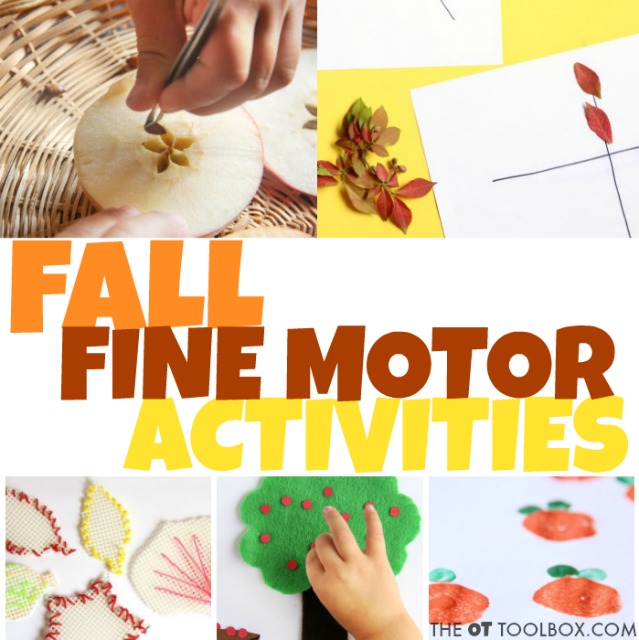
Pattern block designs and seasonal "I Spy" seek-and-find printables further enhance visual scanning, figure-ground perception, and sustained visual attention. When paired with fine motor actions, such as marking found items with clothespins or small manipulatives, these visual tasks bridge the gap between perception and physical execution.
Handwriting interventions also benefit from meaningful seasonal contexts. Rather than practicing isolated letter formations on blank lines, educators utilize thematic writing prompts tailored to various developmental stages. Emerging writers focus on single fall-related vocabulary words, beginning writers construct simple sentences, developing writers respond to short thematic prompts, and older students plan and draft complete paragraphs. This tiered approach allows professionals to address specific handwriting components—including line awareness, letter spacing, sizing, and endurance—within a unified classroom or clinic setting.
Flexible, No-Prep Strategies for Home and Classroom
As professionals and families navigate the autumn season, incorporating fine motor skill development does not require complex preparation. Readily available outdoor and household items offer endless therapeutic opportunities. Natural leaves can be torn, crumpled, punched, cut, sorted, or strung; acorns can be counted and transferred with tongs; and common plastic bread ties can be repurposed for inventive sorting and manipulation crafts.
By grounding these activities in seasonal themes, therapists and educators continue to provide children with engaging, evidence-based pathways to achieve essential motor milestones while celebrating the natural rhythms of the autumn season.