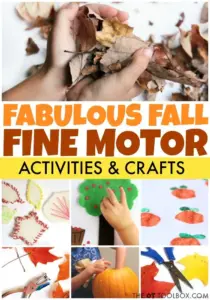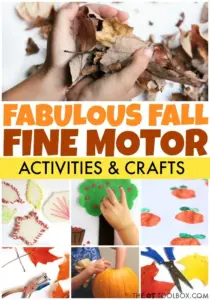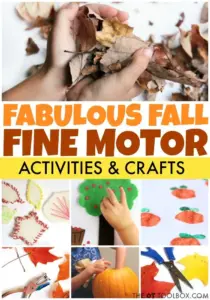








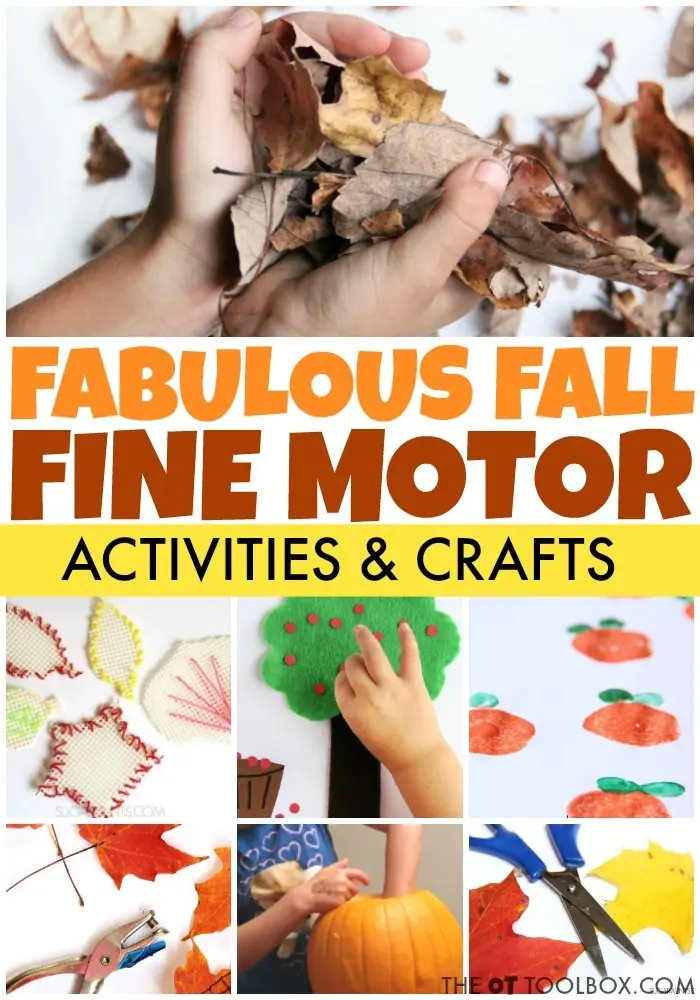
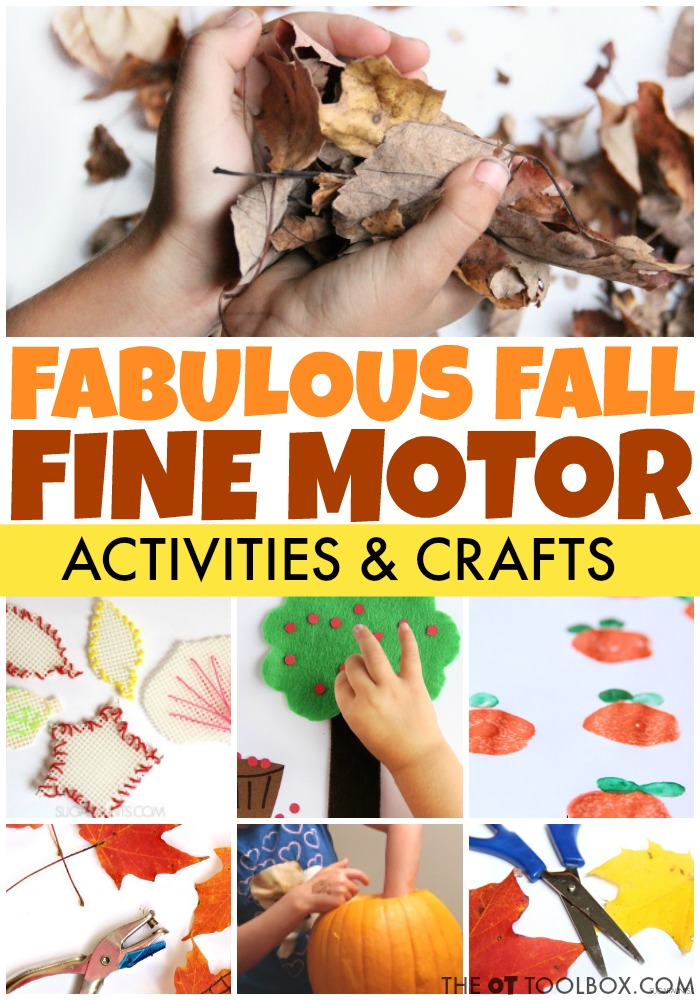
As the autumn air turns crisp and the seasonal landscape transforms with falling leaves, vibrant foliage, and pumpkins, pediatric occupational therapists and educators are leaning into seasonal themes to support childhood development. Rather than choosing fall-themed activities simply for their festive appeal, professionals are increasingly utilizing apples, leaves, acorns, and farm materials to deliberately target foundational fine motor skills. Experts report that these seasonal elements provide a natural, engaging framework to address specific developmental challenges, including hand strength, finger dexterity, scissor proficiency, visual-motor integration, and handwriting development.
The integration of fall motifs into therapy sessions and classrooms offers a practical approach to building crucial physical capabilities. Many seasonal activities naturally engage multiple developmental domains simultaneously, allowing practitioners to adapt tasks to address varying levels of need. From toddlers exploring sensory play to older students refining advanced writing and spatial planning abilities, autumn-themed strategies provide a versatile toolkit for developmental support.
Fall Hand Strength Activities
Hand strength forms the foundation for countless daily tasks, ranging from manipulating clothing fasteners to maintaining an efficient pencil grasp. When children exhibit weak hand strength, occupational therapists often turn to resistive materials that require controlled force and endurance without feeling like traditional exercises.
Apple-themed geoboards have emerged as a popular tool in pediatric practices. By stretching rubber bands across pegs to recreate specific apple designs, children encounter resistance that engages both finger and hand muscles. This activity simultaneously supports bilateral coordination, visual-motor skills, and motor planning. Therapists can easily adjust the difficulty of the task by swapping standard rubber bands for thicker, higher-resistance alternatives or by simplifying the visual design for children who find the spatial demands challenging.
Similarly, traditional play dough remains a cornerstone of pediatric therapy regardless of the season. The soft, squishy medium offers both tactile sensory input and proprioceptive feedback while requiring children to roll, squeeze, pinch, and press. These actions target intrinsic hand muscles, supporting arch development, wrist stability, and the establishment of a functional pincer or tripod grasp. Practitioners often enhance the therapeutic value by hiding small seasonal items—such as miniature leaves, plastic erasers, or colored beads—inside the dough, or by utilizing printable shape cards to guide the creation of autumn-themed objects.
Hole-punching activities offer another effective method for building hand and finger endurance. By operating a handheld hole punch around the printed outline of an apple or leaf, children must apply sustained manual force while coordinating visual-motor pathways to follow a designated path.
Fall Dexterity Activities
Manual dexterity relies on the brain and hands working in concert to execute small, precise, and coordinated movements. When fine motor breakdowns occur, they often stem from deficits in speed, precision, visual-motor coordination, or isolated finger control. To address these areas, therapists utilize small autumn manipulatives such as craft pom-poms, seeds, mini erasers, paper clips, and small craft supplies.
Fall tree geoboards provide an avenue for enhancing fingertip precision. By using their fingertips rather than their whole hands to grasp, stretch, reposition, and release rubber bands around individual pegs, children develop refined control.
Paper clip activities, such as attaching numerical markers to laminated apple counting cards, offer another portable solution for building dexterity. This task requires precise fingertip manipulation alongside bilateral hand coordination, as one hand stabilizes the card while the other manipulates the clip.
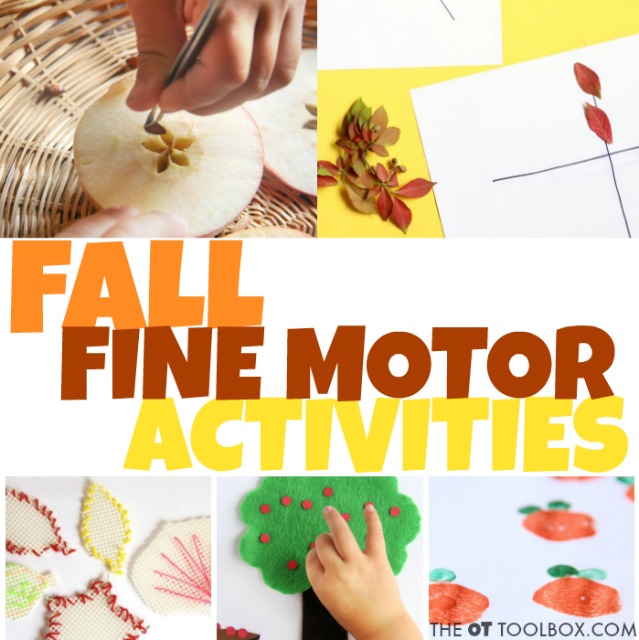
Additionally, transferring autumn-colored pom-poms into ice cube trays or muffin tins using tongs or tweezers challenges children to grade their grip strength and refine their eye-hand coordination. The precision requirements of these tasks can easily be modified by altering the size of the tools or the manipulatives involved.
Fall Scissor Skills and Cut-and-Paste Crafts
Scissor proficiency requires sophisticated bilateral coordination, with each hand performing entirely different tasks. While the dominant hand opens and closes the scissors along a visual path, the non-dominant helper hand must stabilize, rotate, and adjust the paper.
Apple cutting practice pages and seasonal leaf-cutting exercises allow children to practice these mechanics in a meaningful context. In regions with falling foliage, children can snip real leaves into small pieces or cut around natural edges, which also provides auditory and sensory feedback. For environments without seasonal leaves, paper alternatives serve the same developmental purpose.
Cut-and-paste crafts introduce an additional layer of complexity by incorporating executive functioning and visual-spatial skills. Farm-themed crafts, for example, require children to cut out specific components, visually determine their correct orientation, follow a multi-step assembly sequence, and glue them into place. This multi-stage process engages visual-spatial awareness and direction-following alongside traditional scissor mechanics.
Visual-Motor Integration in Autumn Tasks
Many fine motor challenges are rooted in visual-motor integration—the ability to coordinate visual input with precise motor output. Children who possess adequate hand strength and dexterity may still struggle when asked to copy designs, follow lines, locate specific targets, or reproduce spatial relationships.
Fall-themed directed drawing exercises address this need by asking children to observe models of pumpkins, acorns, or leaves and reproduce the lines and spatial proportions on paper. Similarly, pattern block activities require children to visually discriminate between shapes, determine their correct orientation, and position them relative to one another. Seek-and-find visual puzzles further support visual scanning, figure-ground perception, and sustained visual attention, particularly when paired with a fine motor action like circling objects, covering them with manipulatives, or attaching clothespins to corresponding pictures.
Fall Handwriting and No-Prep Activities
Rather than practicing isolated letters, educators and therapists frequently utilize seasonal writing prompts to foster handwriting skills within a meaningful context. Writing prompts can be easily differentiated to suit diverse developmental stages across a classroom or therapy caseload. Emerging writers may practice a single fall vocabulary word, beginning writers construct a simple sentence, developing writers respond to short thematic prompts, and older students plan and compose multi-paragraph essays. Practitioners can target specific components of handwriting, such as line awareness, letter sizing, spacing, formation, and endurance, using a single set of prompts.
For educators and parents seeking immediate, no-prep interventions, everyday natural and household items offer abundant opportunities. Leaves can be torn, crumpled, punched, cut, sorted, or strung; acorns can be counted and transferred with tongs; and common household items like plastic bread ties can be manipulated to strengthen small hand muscles.
As pediatric professionals and families navigate the autumn season, these integrated strategies demonstrate that seasonal play can serve as a powerful vehicle for therapeutic progress, helping children build the physical skills necessary for daily independence and academic success.