









WASHINGTON, DC — ZERO TO THREE, the nation’s leading early childhood development nonprofit dedicated to ensuring that all infants and toddlers are given a strong and healthy start in life, has expressed strong encouragement following the release of President Biden’s proposed fiscal year 2025 budget. The organization highlighted that the newly unveiled federal spending blueprint incorporates essential and long-overdue funding for programs designed to establish a solid foundation for young children and their families across the United States.
According to child development advocates, the federal budget reflects a growing recognition of the critical importance of the earliest years of human development. By targeting resources toward the foundational stages of life, the administration’s proposal aims to address systemic challenges that have long affected vulnerable families, working parents, and young children navigating a complex socioeconomic landscape.
"If implemented, President Biden’s budget released today will make our nation a better and fairer place to have and raise a baby," said Miriam Calderón, Chief Policy Officer at ZERO TO THREE. "ZERO TO THREE has urged Congress and the Administration to prioritize the needs of babies and their families in five key areas: maternal health, infant and early childhood mental health, child care, housing, and economic security."

Calderón noted that the administration’s proposals build directly upon the vision outlined in the recent State of the Union address, where the President mapped out a trajectory toward a future where families are fully empowered and given meaningful choices regarding their children’s development and well-being. This proposed budget expands on that overarching vision by introducing targeted measures that address the multifaceted aspects of early childhood growth, parent support, and family stability.
The federal budget proposals are designed to tackle several interconnected challenges that directly impact the health and developmental outcomes of infants and toddlers. Advocates emphasize that a child’s earliest experiences profoundly shape their brain architecture, emotional well-being, and long-term learning capabilities. Consequently, investments in maternal health, accessible and high-quality child care, and economic support for families are viewed not merely as social safety net programs, but as vital infrastructure investments for the nation’s future.

Throughout the past year, child advocacy groups, policy experts, and healthcare professionals have continuously underscored the urgent need for robust federal backing to address the compounded crises facing young families. These challenges include the ongoing maternal mortality crisis, a strained child care sector that leaves many parents without reliable options, and economic pressures that exacerbate housing instability for households with young children.
In response to these pressing needs, the administration’s fiscal year 2025 budget outlines targeted investments aimed at alleviating financial strain on households and bolstering the systems that support early childhood development. By focusing on comprehensive care from pregnancy through the toddler years, the proposal seeks to create a continuum of support that benefits both parents and children during the most critical developmental window of the human lifespan.
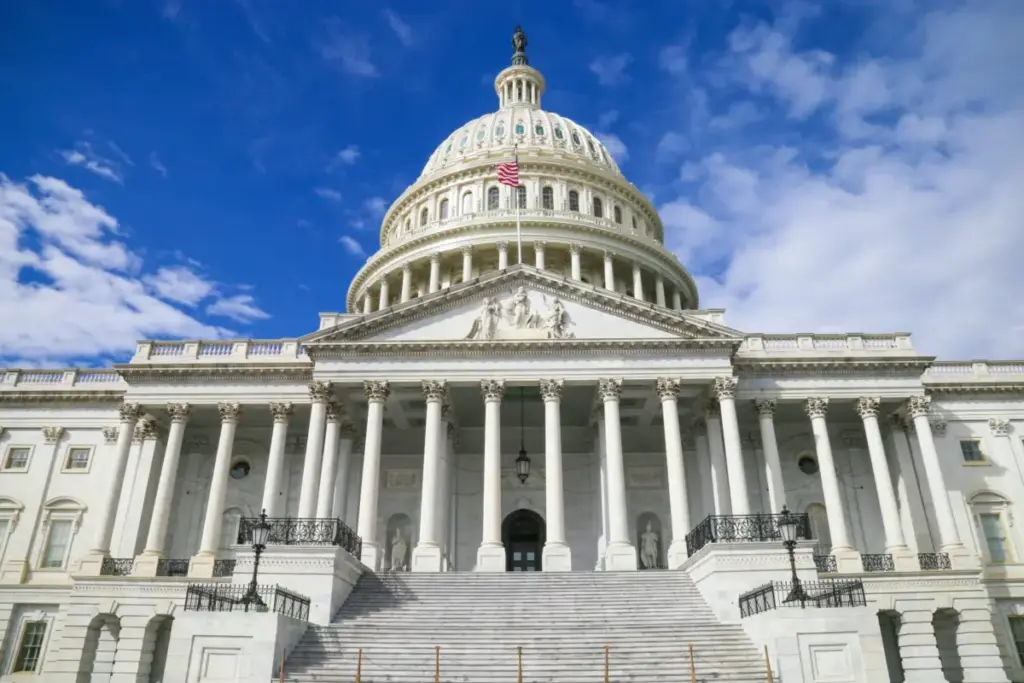
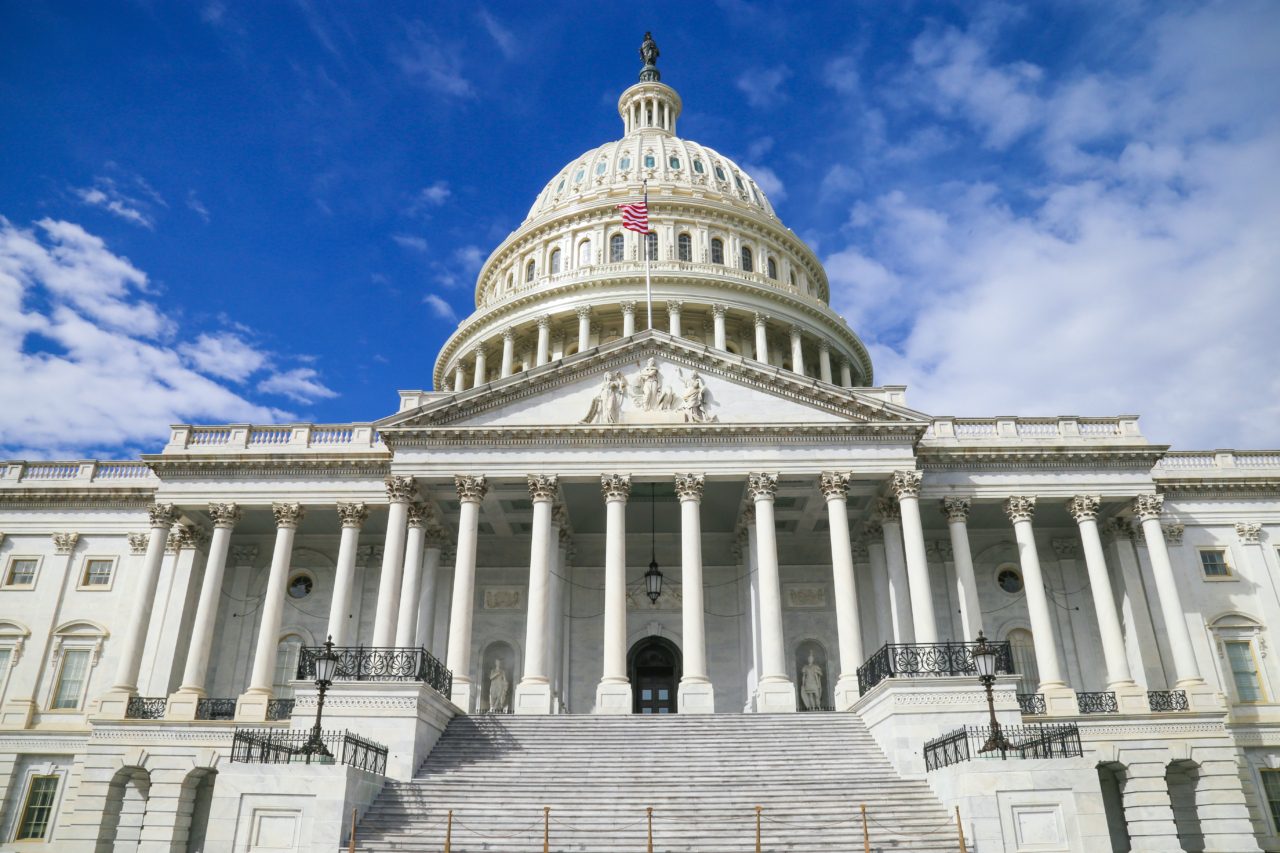
With the budget now formally transmitted to Capitol Hill, the focus shifts immediately to the legislative branch, where federal lawmakers will deliberate on appropriations and policy details in the coming months. The success of these proposed initiatives will ultimately depend on bipartisan cooperation and legislative prioritization within Congress.

"Now, Congress must work with the Administration to deliver for families and babies," Calderón continued, emphasizing the collaborative effort required to turn policy proposals into enacted law. "We look forward to working with Congressional appropriators and our baby champions on the Hill to make these bold proposals a reality."
As the legislative process unfolds, advocacy organizations and community leaders across the country are expected to mobilize in support of the provisions impacting infants, toddlers, and maternal health. For ZERO TO THREE and its network of early childhood champions, the release of the fiscal year 2025 budget represents a critical stepping stone in the ongoing national conversation about how the United States values, supports, and invests in its youngest citizens and the families who raise them.