








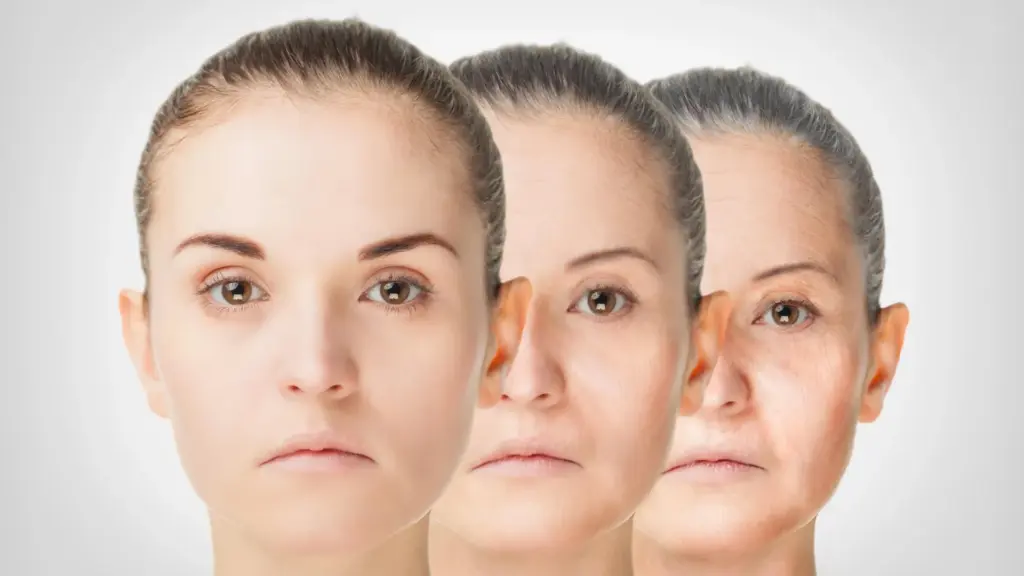
For generations, the aging process has been viewed as a gradual, inevitable wearing down of the body’s various systems—a cumulative toll taken on our joints, organs, and cognitive faculties. But what if some of the most profound changes we associate with growing older are not merely the result of time passing, but are driven by the loss of a single, vital protein deep within the brain? This provocative question has shifted the focus of aging research toward the hypothalamus, a small but powerful command center that acts as a master regulator for the body’s essential functions.
A breakthrough study, first published in March 2023 in the journal PLOS Biology, has provided compelling evidence that this may indeed be the case. Researchers led by Lige Leng of Xiamen University in China discovered that by restoring a protein called Menin in the brains of older mice, they could effectively reverse key signs of aging in just 30 days. The results were striking: the treated mice experienced improved memory, better balance, increased bone mass, and thicker skin. Perhaps even more surprisingly, the team found that supplementing these animals with a naturally occurring amino acid could sharpen their learning and memory in as little as three weeks.
These findings have opened an intriguing new chapter in longevity science, suggesting that the brain plays a far more active role in orchestrating the aging of the entire body than previously understood. While these results were obtained in laboratory mice, they raise the possibility that some aspects of aging are not fixed, but are governed by biological processes that scientists might one day learn to modify.

The Hypothalamus: The Body’s Master Controller
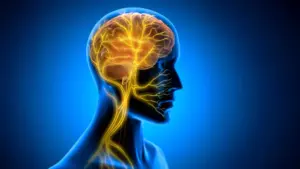
At the heart of this discovery is the hypothalamus, a region near the base of the brain that orchestrates critical life-sustaining processes, including body temperature regulation, hunger, metabolism, sleep, and the complex hormonal signaling that governs our physical state. Because the hypothalamus acts as a bridge between the brain and the endocrine system, changes within this region have far-reaching consequences for nearly every organ in the body.
In recent years, the scientific community has increasingly identified the hypothalamus as a critical player in the aging process. A key factor in this decline is neuroinflammation—the brain’s inflammatory response. While inflammation is a necessary defense mechanism against infection and injury, chronic, low-grade inflammation—often referred to as "inflammaging"—can interfere with cellular function and contribute to the progressive deterioration of tissues throughout the body.
Earlier research by Leng and his team had identified Menin as a crucial protein that helps keep inflammation in the hypothalamus in check. Beyond its anti-inflammatory role, Menin is a multifaceted regulator that influences gene activity, allowing it to exert control over a wide array of biological pathways. The researchers sought to understand the consequences of the gradual decline of this protective protein that naturally occurs with age.
Their observations revealed that Menin levels steadily drop in specific hypothalamic neurons as mice grow older. Notably, this decline was not seen in other supporting brain cells, such as astrocytes or microglia, suggesting that the loss of Menin is a highly targeted event. To confirm that this loss was a driver of aging rather than a mere bystander, the researchers utilized genetically modified mice in which Menin production could be selectively turned off. The outcome was clear: the mice with reduced Menin levels suffered from heightened hypothalamic inflammation, thinning skin, significant bone density loss, and cognitive decline, all while experiencing a shortened lifespan. The loss of Menin appeared to be an active mechanism driving the physical and mental hallmarks of aging.
Reversing the Clock: The Power of Restoration
Building on this, the researchers asked whether the process could be reversed. Using a gene delivery technique, they increased Menin production specifically in the ventromedial hypothalamus of 20-month-old mice—the equivalent of elderly animals. The results were remarkable. Within 30 days, the mice exhibited a significant reversal of aging-related symptoms. Their skin regained thickness, their bones became denser, and their physical performance on tests of balance and coordination improved. Furthermore, the mice demonstrated enhanced cognitive performance and reduced systemic inflammation. In separate survival analyses, those receiving the Menin treatment lived longer than their untreated counterparts.
This provided a potential blueprint for intervention: if we can identify the specific brain pathways that regulate aging, we might be able to target them to delay or even partially reverse the symptoms of old age. However, the study also provided a crucial clue regarding the mechanism: the amino acid D-serine.
The Role of D-Serine in Cognitive Health
When Menin levels dropped, the researchers observed a corresponding decrease in D-serine, an amino acid essential for brain signaling. While amino acids are famously known as the "building blocks" of protein, D-serine plays a specialized role as a co-agonist for NMDA receptors on neurons. These receptors are critical for the communication pathways that underpin learning and memory formation.
The researchers discovered that Menin regulates an enzyme called PHGDH, which is essential for the biochemical pathway that generates serine. When Menin activity faltered, this pathway became less efficient, leading to a deficiency of D-serine in the brain, particularly in the hippocampus, a region vital for memory. When the researchers provided older mice with D-serine in their drinking water, their cognitive performance improved within three weeks, even in the absence of restored Menin.
However, there was a nuanced distinction: while restoring Menin reversed both cognitive and physical signs of aging, D-serine supplementation focused almost exclusively on cognitive gains. It did not restore bone mass or skin thickness, suggesting that while D-serine is a key piece of the puzzle, Menin exerts its anti-aging influence through multiple, interconnected biological mechanisms.
Strengthening the Brain-Body Connection
The 2023 study has sparked a wave of subsequent research that reinforces the notion of the brain as a central hub for aging. In 2024, researchers at the Washington University School of Medicine identified a separate hypothalamic circuit that communicates with fat tissue. By stimulating this pathway, they were able to boost physical activity and improve metabolic function in older mice, further validating the idea that the brain sends systemic signals that dictate how we age.
Similarly, other studies have highlighted the vulnerability of the hypothalamus. An analysis of over a million mouse brain cells, published in Nature in early 2025, found that the cells most sensitive to aging were concentrated around the third ventricle of the hypothalamus. These cells showed clear signs of impaired gene expression and increased immune activity, marking this region as a potential "ground zero" for the aging process.
By 2026, the literature had expanded further. Research published in Cell demonstrated that stabilizing daily biological rhythms in the hypothalamus could extend lifespan and even turn back the "epigenetic clock," a measure of biological age based on DNA methylation. Another study published that same year in Cell Metabolism identified a protein called Mimecan, which facilitates communication between skeletal muscles and the hypothalamus, showing that this dialogue is a two-way street. These discoveries collectively suggest that aging is not the result of one "master switch," but rather a complex, systemic conversation between the brain and the rest of the body.
Translating Discoveries to Human Health
Despite the excitement, the translation of these findings into human medicine remains in its infancy. While the prospect of using a simple amino acid like D-serine to boost cognitive health is appealing, the clinical reality is complex. A small 2016 study of healthy older adults yielded mixed results, and later animal research has suggested that the impact of D-serine can vary significantly depending on the underlying biological condition. For instance, in models of Alzheimer’s disease, an early surge in D-serine has been linked to signaling disruptions, suggesting that the timing and dosage of such interventions are critical. Furthermore, there are unresolved questions regarding the long-term safety and potential renal effects of high-dose D-serine supplementation.
At present, D-serine and Menin-targeted therapies remain strictly in the realm of experimental science. Researchers like Lige Leng remain cautious but optimistic, viewing the decline of hypothalamic Menin as a potential "driving factor" that ties together the genetic, metabolic, and inflammatory threads of aging.
The emerging consensus among scientists is that aging is far more malleable than previously assumed. As we continue to map the neural circuits and proteins that govern our decline, we move closer to understanding whether the process of aging can be slowed, mitigated, or even partially reversed. For now, the discovery of the Menin pathway serves as a profound reminder that our longevity may be anchored in the intricate, hidden signaling of the brain. While we are not yet at the stage of clinical applications, the research provides a compelling, evidence-based reason to look toward the brain as the next great frontier in the quest for healthy aging.