







As the crisp autumn air arrives and leaves begin to shift into brilliant shades of amber and gold, educators, occupational therapists, and parents are welcoming a seasonal shift in developmental strategies. Rather than choosing fall activities simply for their festive appeal, specialists are leveraging apples, leaves, pumpkins, acorns, and other seasonal materials to target specific developmental needs in children, ranging from hand strength and finger dexterity to advanced visual-motor integration and handwriting.
The transition into autumn provides a natural abundance of sensory-rich materials that can be easily integrated into both clinical therapy settings and casual playtime. Experts note that many seasonal crafts and play routines can address multiple developmental domains simultaneously, allowing practitioners to adapt exercises depending on individual children’s requirements.
Integrating Seasonal Materials Into Developmental Therapy
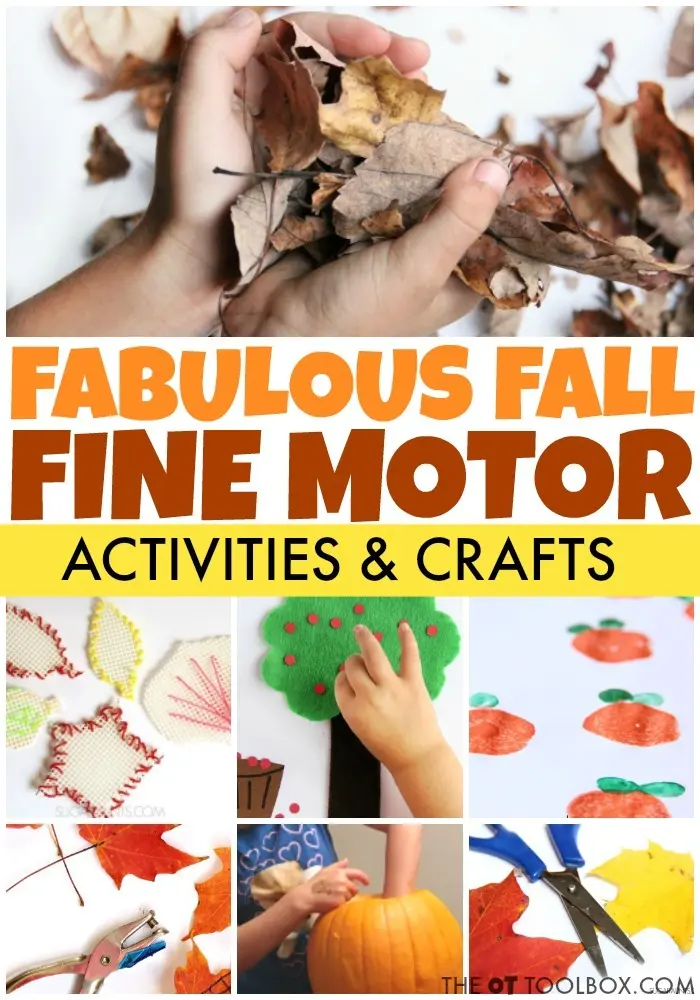
The changing landscape offers a wealth of opportunities to encourage foundational physical milestones. Specialists emphasize that activities such as crunching autumn leaves, sorting colored pumpkin seeds, or manipulating play dough can support critical physiological developments. These actions build the intrinsic muscles of the hands, encourage proper tripod grasps, foster bilateral coordination, and promote the separation of the two sides of the hand. Such physical capacities are essential for everyday tasks, including managing clothing fasteners, opening containers, and maintaining proper pencil control during academic assignments.

To support this seasonal approach, developmental resource platforms have compiled comprehensive toolkits. These collections often feature family-friendly sensory guides designed to promote both fine and gross motor movements through immersive seasonal experiences. By anchoring therapy in familiar and engaging autumn motifs, practitioners find that children are more eager to participate in exercises that might otherwise feel like tedious physical work.
Targeted Hand Strength Exercises
Building hand strength is a primary focus for many early childhood educators and pediatric occupational therapists. Weakness in the small muscles of the hands can hinder a child’s ability to perform routine tasks efficiently. To combat this, therapists frequently utilize resistive materials that require controlled force and precision.
One popular approach involves apple geoboards, where children stretch rubber bands across pegs to recreate specific fruit designs. This exercise provides resistance to the fingers and hands while demanding careful motor planning and controlled release. Similarly, working with fall-themed play dough offers a tactile and proprioceptive challenge. Squeezing, rolling, pinching, and pressing the soft material exercises the intrinsic hand muscles, supports arch development, and stabilizes the wrist. Therapists often hide mini erasers or beads within the dough to encourage deeper engagement.
Another effective tool for building sustained hand force is the humble hole punch. By having children punch holes around the perimeter of printed apple shapes or autumn leaves, practitioners can challenge their gross grasp and bilateral coordination, as one hand must stabilize the paper while the other operates the punch.
Enhancing Manual Dexterity and Coordination
Manual dexterity involves using the fingers efficiently for small, precise movements. When dexterity breaks down, children often struggle with tasks requiring speed, coordination, and spatial awareness. Autumn manipulatives—such as craft pom-poms, seeds, paper clips, and small craft items—provide ideal opportunities to refine these skills.
Using tongs or tweezers to transfer fall-colored pom-poms into ice cube trays or muffin tins helps children practice precision and visual-motor control. Similarly, apple-themed counting activities that require children to attach paper clips to laminated cards encourage precise fingertip movements and bilateral hand use. Geoboards featuring fall tree designs also prompt children to use their fingertips rather than their whole hands to stretch and position rubber bands across individual pegs.
Scissor Skills and Cut-and-Paste Mechanics
Cutting with scissors remains a cornerstone of early childhood motor development, requiring the cutting hand and the stabilizing hand to perform entirely different jobs simultaneously. Seasonal resources, such as apple cutting practice pages and farm-themed cut-and-paste crafts, allow children to practice following visual lines and controlling their movements.
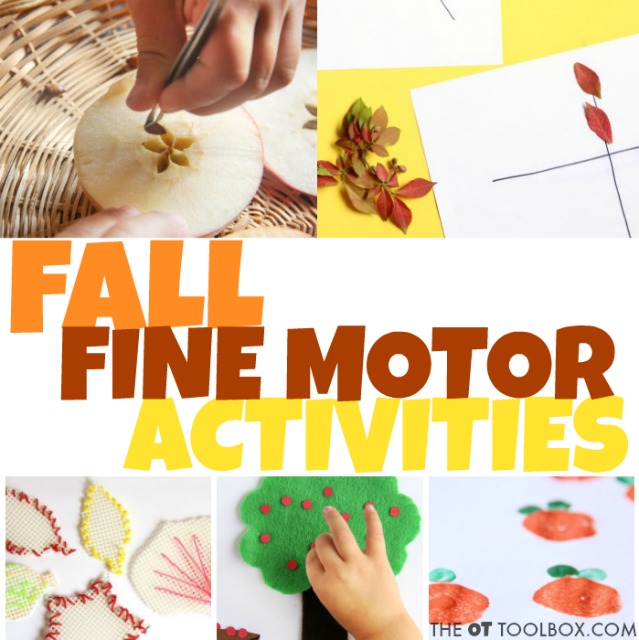
When children cut real or paper fall leaves into small pieces or snip around edges, therapists observe their grasp patterns, cutting fluidity, and hand dominance. Cut-and-paste projects further elevate these demands by requiring children to visually determine where pieces belong, orient them correctly, follow an assembly sequence, and apply glue precisely. These multi-step tasks reinforce not only scissor proficiency and bilateral coordination, but also executive functioning and direction-following capabilities.
Visual-Motor Integration and Handwriting Support
A child may possess adequate hand strength and dexterity yet still experience difficulties when a task requires them to copy a design, follow a line, or coordinate what they see with how their hands move. Fall-themed directed drawing, pattern blocks, and seek-and-find activities help bridge this gap by challenging children to reproduce spatial relationships, discriminate between visual patterns, and sustain attention.
When transitioning these foundational skills to academic applications, educators often utilize structured writing prompts tailored to different developmental stages. Rather than practicing isolated letters, children can engage in meaningful writing tasks scaled to their abilities, ranging from writing a single autumn-themed word for emerging writers to planning and drafting a full paragraph for older students.
As the season progresses, professionals continue to utilize these readily available natural and classroom materials to support comprehensive developmental growth, ensuring that children build the physical and cognitive foundations necessary for lifelong success.