







Why do certain skills—learning to play a complex guitar riff, mastering a new language, or perfecting a fluid golf swing—seem to click almost instantly for some, while others remain agonizingly out of reach despite hours of repetitive practice? For decades, the consensus in neuroscience has largely centered on the brain’s intrinsic architecture, emphasizing raw talent, cognitive focus, and the sheer volume of effort. However, a groundbreaking study from Tohoku University suggests that the secret to mastering new skills may lie outside the skull entirely. It turns out that the brain does not learn in isolation; it is constantly engaged in a profound, rhythmic dialogue with the body.
New research published on August 25, 2026, in the journal iScience reveals that the vagus nerve—the sprawling communication highway linking our internal organs to the brain—plays a pivotal, previously overlooked role in solidifying motor learning. By stimulating this nerve in mice following training sessions, researchers have successfully demonstrated that it is possible to enhance the brain’s ability to turn fleeting practice into durable, long-term memory.
The Vagus Nerve: A Bridge for Cognitive Plasticity
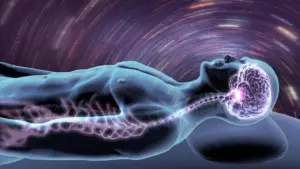
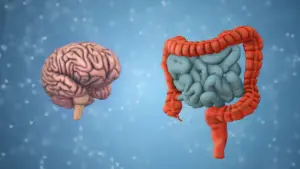
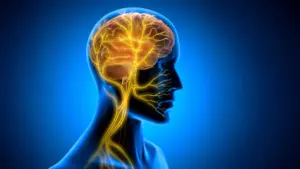
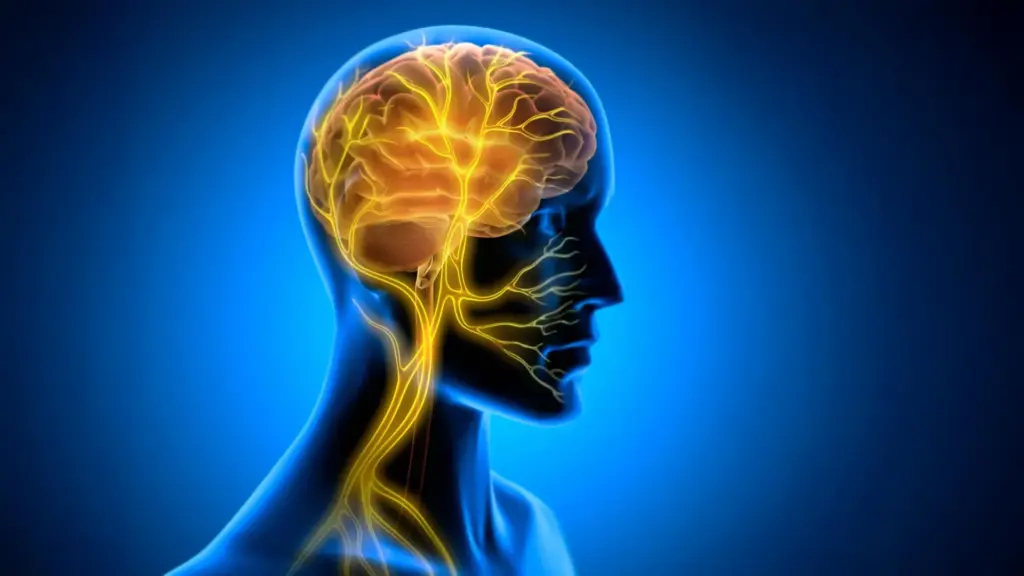
The vagus nerve is one of the most critical components of the autonomic nervous system. It acts as a massive information superhighway, continuously shuttling sensory data from the heart, lungs, and digestive tract up to the brain, while simultaneously carrying regulatory instructions back down to the organs. For years, scientists have utilized Vagus Nerve Stimulation (VNS) as a therapeutic tool. Already clinically approved for the treatment of several medical conditions, including refractory epilepsy and depression, VNS has primarily been understood as a form of neuromodulation. The prevailing theory held that stimulation altered the activity of neurotransmitter systems, such as norepinephrine or acetylcholine, effectively "tuning" the brain’s chemical environment to improve focus or mood.

However, the team at Tohoku University, specializing in super-network brain physiology, suspected that VNS might be doing more than just adjusting brain chemistry. They hypothesized that the stimulation might be influencing the physical environment of the brain—specifically the blood vessels—in ways that directly facilitate the consolidation of memory.
To test this, the researchers implanted a specialized, miniaturized cuff electrode onto the left cervical vagus nerve of mice. The team then subjected the mice to a specific training task: the horizontal optokinetic response (HOKR). HOKR is a cerebellum-dependent eye movement task that requires the subject to improve its ability to track moving visual stripes. It is a biological equivalent to the automatic, involuntary eye movements a human makes when standing on a train platform, watching the cars flicker past in a blur of motion. This task provides a clean, measurable window into how the cerebellum—the part of the brain responsible for motor control and coordination—learns and refines new patterns.
The "Window of Opportunity" After Training
One of the most intriguing aspects of the Tohoku study is the precise timing of the stimulation. Rather than applying VNS during the learning task itself, the researchers waited until the training session was complete. The mice received the stimulation only after they had finished their attempts at the HOKR task.
The results were striking: the stimulation had zero effect on immediate performance. While the mice were in the middle of training, VNS provided no "instant" boost to their ability to track the visual stimuli. However, the benefits became abundantly clear in the following days. Mice that received the post-training VNS showed significantly stronger long-term learning compared to the control group.
This delay suggests that the vagus nerve is not necessarily helping the mice "perform" better, but rather helping them "remember" better. It appears that VNS influences the processes that occur after practice—the vital period of memory consolidation when the brain takes the raw, fragile data of a new skill and begins the work of encoding it into durable, long-term neural pathways.
"The key point is that VNS was delivered only after training," explains Professor Ko Matsui, a lead researcher on the project. "Our findings suggest that VNS may open a hidden window of opportunity for enhanced learning by making the brain environment more receptive to long-lasting change." This implies that there is a specific, post-practice window where the brain is primed for structural adaptation, and that the body—via the vagus nerve—holds the key to opening that door.
Rhythmic Blood Flow as a Catalyst for Learning
To understand the biological mechanism behind this phenomenon, the research team looked closer at the brain’s interior, specifically focusing on the cerebellar flocculus—a region essential for the HOKR task. Using a sophisticated imaging technique known as fiber photometry, they monitored blood volume activity in the cerebellum during and after the vagus nerve stimulation.
The data revealed a two-phase vascular response. Upon receiving a single round of VNS, the local blood volume in the brain’s target area briefly decreased before rebounding with a delayed increase. When the researchers repeated the stimulation, they observed something even more remarkable: the creation of rhythmic oscillations in blood volume.
These vascular rhythms were not merely side effects; they were strongly correlated with the success of the learning process. Mice that exhibited larger, more consistent blood volume oscillations demonstrated better performance by the fifth day of the experiment. This suggests that the vagus nerve acts as a conductor, orchestrating a rhythmic "pulse" in the brain’s vascular system that creates the optimal metabolic environment for plasticity to take hold.
Lead author Junyu Chen highlights the implications of this discovery: "Our brains may be more strongly influenced by the body than we imagine. By tuning the brain’s metabolic environment, including rhythmic vascular movements, we may eventually unlock capacities that would otherwise remain latent."
Redefining the Future of Learning
The discovery that systemic bodily signals can influence localized brain plasticity opens an entirely new frontier for neuroscience. If the brain’s ability to learn is tied to its vascular environment, and if that environment can be modulated by the vagus nerve, then the potential for future applications is vast.
The Tohoku University team is already looking ahead to the next phase of their research. Future studies will focus on refining these stimulation protocols to determine the most effective timing and intensity of VNS. Furthermore, they aim to map out exactly how the communication between the brain and the body supports long-term plasticity at the cellular level. By deconstructing this two-way feedback loop, scientists hope to move beyond our current, limited understanding of how humans acquire new skills.
While the current research was conducted in a controlled laboratory setting with mice, the implications for human health are significant. Understanding how to leverage this brain-body connection could lead to novel, non-invasive therapies for individuals struggling with motor skill impairment, or even methods to accelerate recovery following neurological injuries.
As the scientific community continues to explore the complex dance between our internal organs and our cognitive functions, the old notion of the brain as an isolated "control center" is being replaced by a more holistic view. We are beginning to see that the brain does not act alone; it is supported, influenced, and occasionally nudged toward brilliance by the rhythmic, constant hum of the body. By learning to communicate more effectively with that system, researchers may finally be able to understand why some skills become second nature, and how we might make that process easier for everyone.