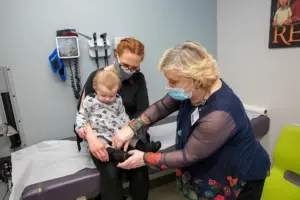







WASHINGTON, DC — ZERO TO THREE, the nation’s leading early childhood development nonprofit dedicated to ensuring that all infants and toddlers have a strong and healthy start in life, has expressed strong encouragement regarding President Biden’s proposed fiscal year 2025 budget. The organization highlights that the federal spending plan incorporates essential and much-needed funding for programs designed to build a solid foundation for young children and their families across the United States.
The announcement comes as child development advocates and policy experts review the details of the administration’s financial blueprint for the upcoming fiscal year. For decades, advocates have pointed out that the earliest months and years of a child’s life represent a critical window of rapid brain development that shapes lifelong health, learning, and emotional well-being. By targeting federal resources toward this foundational period, the proposed budget aims to address systemic challenges facing young families long before children enter the formal school system.
Miriam Calderón, Chief Policy Officer at ZERO TO THREE, emphasized the profound impact the proposals could have on American families if enacted by lawmakers.

“If implemented, President Biden’s budget released today will make our nation a better and fairer nation to have and raise a baby,” Calderón said. “ZERO TO THREE has urged Congress and the Administration to prioritize the needs of babies and their families in five key areas: maternal health, infant and early childhood mental health, child care, housing, and economic security.”
Calderón noted that the administration’s focus on these critical pillars builds directly upon broader national conversations about the economic stability and well-being of households nationwide. She referenced the recent State of the Union address, during which the President laid out a vision for a future where families are empowered and given meaningful choices regarding their children’s development and long-term futures. The fiscal year 2025 budget proposal translates that broad vision into concrete policy measures, offering targeted investments that address the multifaceted needs of infants, toddlers, and the adults who care for them.
The proposed budget outlines a series of strategic investments intended to bolster family stability and provide comprehensive support systems during the earliest stages of child development. These federal initiatives are designed to tackle interconnected challenges, recognizing that a child’s well-being is inseparable from the health, economic security, and mental wellness of their parents and primary caregivers.
Maternal health remains a cornerstone of early childhood advocacy, as the United States continues to face a maternal mortality and morbidity crisis that disproportionately affects women of color. Ensuring that mothers receive comprehensive prenatal and postpartum care directly impacts infant health, birth weights, and early bonding. Similarly, infant and early childhood mental health programs provide crucial interventions that help caregivers navigate behavioral challenges, emotional regulation, and relational health during the critical first three years of life, when the architecture of the developing brain is most sensitive to environmental influences.

Child care infrastructure also plays a prominent role in discussions surrounding federal spending. Access to affordable, high-quality infant and toddler care is notoriously difficult for working families to secure, often forcing parents to make impossible choices between maintaining employment and providing adequate care for their children. By proposing sustained investments in child care and early learning systems, the administration seeks to alleviate the financial and logistical strains placed on working households while supporting the healthy social and cognitive development of young children.
Economic security and housing stability are equally vital components of a holistic approach to early childhood policy. Poverty during infancy can have lasting, cumulative effects on a child’s development, health outcomes, and future educational attainment. Initiatives that strengthen household economic security—such as affordable housing support, nutrition assistance, and tax credits for families with young children—serve as a crucial buffer against the toxic stress associated with financial instability. When families have a secure place to live and adequate resources to meet their basic needs, parents are better positioned to provide the nurturing, responsive environments that babies need to thrive.
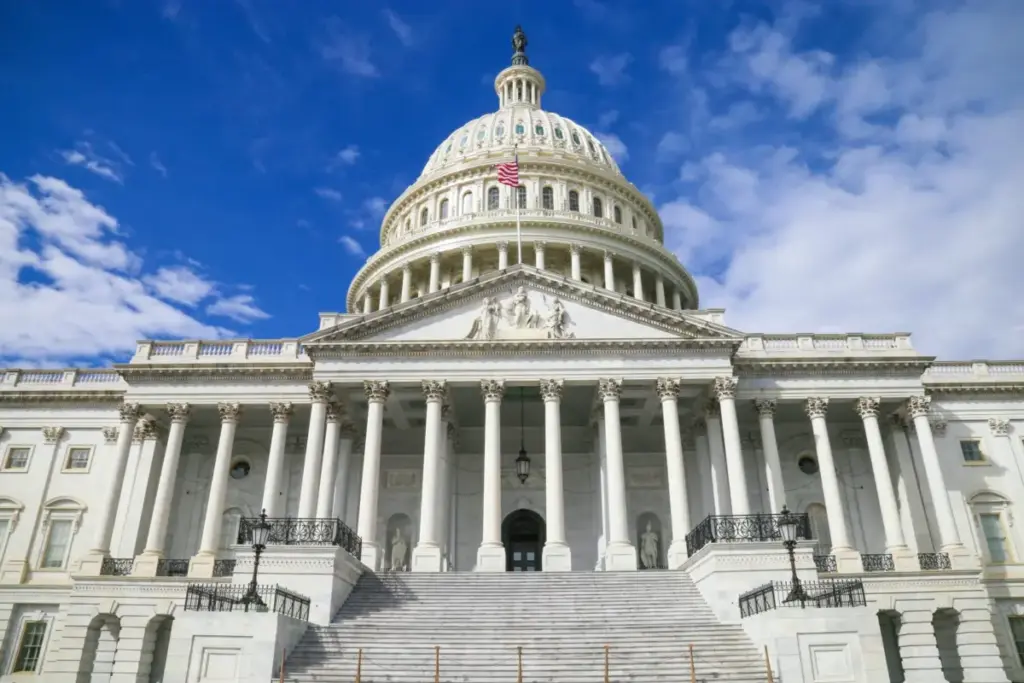
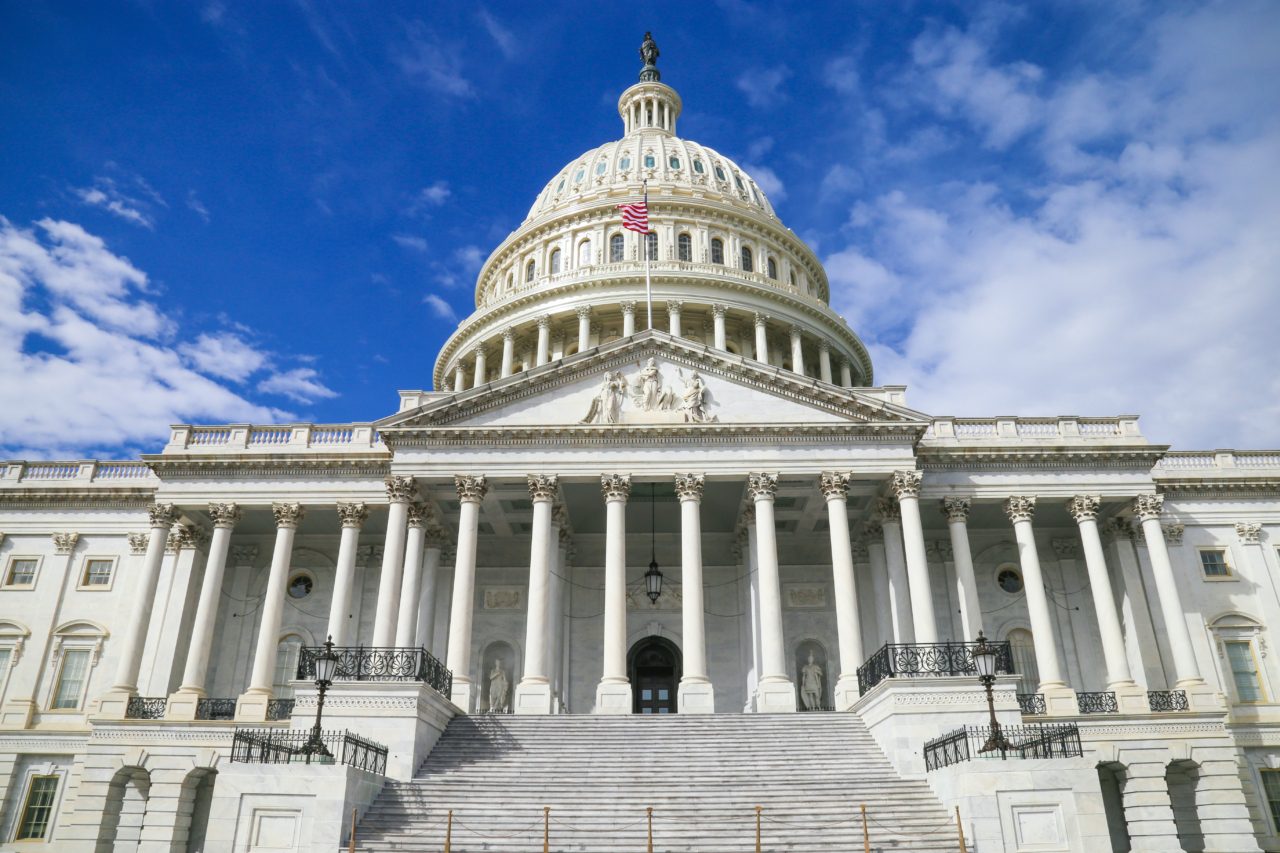
With the release of the federal budget proposal, attention now shifts to Capitol Hill, where lawmakers will debate, negotiate, and ultimately draft the spending legislation that will govern federal appropriations for the upcoming fiscal year. The path from a presidential proposal to enacted law requires bipartisan cooperation and a steadfast commitment from congressional leaders to prioritize the needs of constituents who often lack a direct political voice—most notably, infants and toddlers.
Calderón stressed the urgency of collaboration between the executive branch and the legislative branch to ensure that the vital programs supporting young children receive the funding they require.

“Now, Congress must work with the Administration to deliver for families and babies,” Calderón continued. “我们 look forward to working with Congressional appropriators and our baby champions on the Hill to make these bold proposals a reality.”
As the legislative process moves forward, early childhood advocates, community leaders, and concerned citizens across the country will continue to monitor budget negotiations in Washington. For organizations like ZERO TO THREE, the ultimate goal remains clear: to ensure that federal policymakers recognize that investing in babies is not merely a social obligation, but an essential investment in the nation’s economic and social future.