








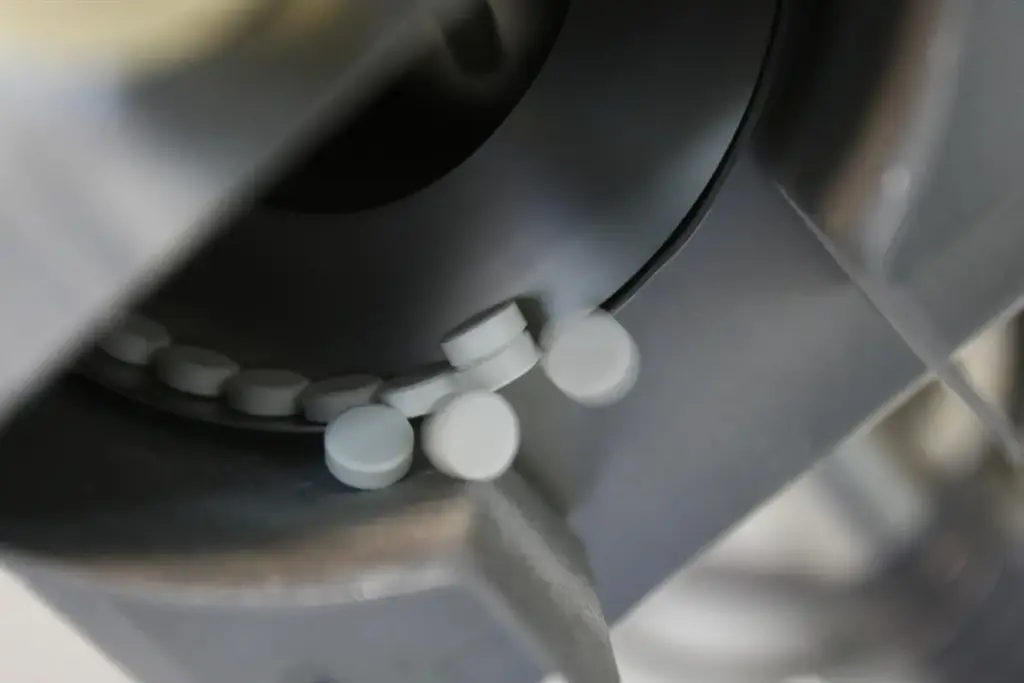
In a significant development for the global response to the COVID-19 pandemic, the World Health Organization (WHO) has officially welcomed initial clinical trial results from the United Kingdom demonstrating that the corticosteroid dexamethasone can serve as a life-saving treatment for patients suffering from severe cases of the virus. This discovery marks a pivotal moment in the medical community’s ongoing efforts to manage the disease, as it identifies the first widely available, affordable therapeutic capable of reducing mortality rates among the most vulnerable patients.
The preliminary findings, shared by researchers in the UK with the WHO, indicate a clear clinical benefit for patients who have progressed to a critical state of COVID-19 infection. According to the data, the administration of dexamethasone resulted in a mortality reduction of approximately one-third among patients who required mechanical ventilation. For those who did not require invasive mechanical ventilation but still necessitated supplemental oxygen therapy, the treatment was shown to reduce mortality by roughly one-fifth. These findings represent a substantial advancement in clinical care, offering a targeted intervention for those facing the most dire health outcomes associated with the respiratory infection.
Crucially, the clinical benefit observed in the trial was specific to the severity of the illness. The researchers noted that the positive impact of dexamethasone was restricted to patients who were seriously ill and required respiratory support. Conversely, the drug did not show evidence of a mortality-reducing benefit in patients presenting with milder forms of the disease, underscoring the importance of precise clinical application.
Dr. Tedros Adhanom Ghebreyesus, the Director-General of the World Health Organization, hailed the breakthrough as a transformative development in the global health crisis. “This is the first treatment to be shown to reduce mortality in patients with COVID-19 requiring oxygen or ventilator support,” Dr. Tedros stated. “This is great news and I congratulate the Government of the UK, the University of Oxford, and the many hospitals and patients in the UK who have contributed to this lifesaving scientific breakthrough.”
The drug at the center of this discovery, dexamethasone, is a well-established corticosteroid that has been a staple in medical practice for decades. First synthesized in the late 1950s and introduced for clinical use in the 1960s, it is primarily utilized for its potent anti-inflammatory and immunosuppressant properties. Its versatility has allowed it to be deployed in the treatment of a wide array of conditions, ranging from severe allergic reactions and inflammatory disorders to the management of certain types of cancer.
Because dexamethasone has been in use for over half a century, it is currently off-patent, making it a highly accessible and affordable pharmaceutical product in nearly every country across the globe. It has been a fixture on the WHO Model List of Essential Medicines since 1977, appearing in multiple formulations that facilitate its use in diverse healthcare settings. This accessibility is a critical factor, as it means that the intervention does not face the same supply chain, logistical, or cost-prohibitive barriers that often accompany the introduction of novel, proprietary drugs.
The path toward this discovery began in earnest during the early months of the pandemic. In mid-February, the World Health Organization convened a Research & Development Blueprint meeting in Geneva, bringing together leading global scientists, clinicians, and health policy experts. The primary objective of the summit was to accelerate the development of health technologies, including therapeutics and vaccines, to combat the rapidly spreading virus. During these discussions, the potential for investigating the use of existing steroid medications was identified as a top-tier research priority. The validation of this priority through the UK-led trial demonstrates the effectiveness of the WHO’s strategy to leverage existing global research networks to produce actionable evidence.
As the international scientific community digests these initial insights, the World Health Organization is preparing for the next phases of review and implementation. The organization is currently awaiting the full data analysis from the UK researchers, which is expected to be released in the coming days. Once this comprehensive data is available, the WHO plans to coordinate a thorough meta-analysis. This process will integrate the findings from the UK trial with broader data sets to deepen the medical community’s understanding of how, why, and to what extent this intervention can be optimized for patient care.
The implications for clinical practice are immediate. The WHO has committed to updating its formal clinical guidance to provide healthcare workers worldwide with clear protocols on how and when dexamethasone should be administered to COVID-19 patients. This guidance will be instrumental in ensuring that the treatment is used appropriately, focusing on the specific patient demographics—those requiring oxygen or ventilator support—where the evidence shows the most profound benefit, while avoiding unnecessary or potentially ineffective use in mild cases.
The success of the UK trial serves as a powerful testament to the necessity of large-scale, randomized control trials. In the face of a rapidly evolving pandemic, the ability to generate rigorous, high-quality evidence is the most effective tool for distinguishing between anecdotal treatments and therapies that genuinely alter the trajectory of the disease. The WHO has emphasized that this breakthrough reinforces the importance of international cooperation in clinical research.
Looking forward, the organization intends to continue its collaboration with global partners to sustain the momentum in discovering and validating therapeutics. These efforts are housed under the broader umbrella of the Access to COVID-19 Tools (ACT) Accelerator, a global collaboration designed to expedite the development, production, and equitable access to COVID-19 tests, treatments, and vaccines. The inclusion of dexamethasone into the clinical arsenal is viewed as a significant win for this initiative, illustrating that while the world looks toward novel vaccines and experimental drugs, the systematic evaluation of existing medicines remains a vital pillar of the pandemic response.
As medical systems around the world grapple with the burden of severe COVID-19 cases, the news regarding dexamethasone provides a much-needed ray of hope. By repurposing an established, inexpensive, and widely available medication, the global health community has secured a tangible method to save lives, highlighting the enduring value of scientific inquiry and the collaborative spirit that continues to define the international response to this health emergency. The WHO, along with its partners, remains dedicated to ensuring that these findings are translated into clinical practice as quickly as possible, aiming to reduce the mortality rate for those fighting for their lives in intensive care units across the globe.