









In a landmark achievement for global public health, the World Health Organization (WHO) has officially certified Timor-Leste as malaria-free. This significant milestone marks the culmination of a dedicated, multi-decade effort by the Southeast Asian nation to eradicate a disease that once served as a persistent threat to its population. Following its independence in 2002, the young nation prioritized the fight against malaria, transforming a high-burden health crisis into a model of success for countries worldwide.
The certification, granted by the WHO, signifies that Timor-Leste has successfully interrupted the chain of indigenous malaria transmission nationwide for at least three consecutive years. This rigorous validation process ensures that the country has met the highest standards of surveillance and response, effectively closing the door on a disease that has claimed countless lives throughout history.
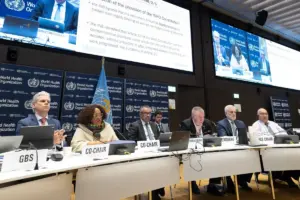
"WHO congratulates the people and government of Timor-Leste on this significant milestone," said Dr. Tedros Adhanom Ghebreyesus, WHO Director-General. "Timor-Leste’s success proves that malaria can be stopped in its tracks when strong political will, smart interventions, sustained domestic and external investment, and dedicated health workers unite."

With this announcement, Timor-Leste joins an exclusive group of 47 countries and one territory that have been certified as malaria-free by the global health body. Within the WHO South-East Asia region, Timor-Leste is now the third nation to achieve this status, following in the footsteps of the Maldives, which was certified in 2015, and Sri Lanka, which received its certification in 2016.
A Rapid Shift from High Burden to Elimination
The journey to this moment was anything but easy. Following the restoration of its independence in 2002, Timor-Leste faced a daunting public health landscape. Malaria was endemic and widespread, serving as a silent, persistent, and deadly enemy that stifled development and burdened the healthcare system. By 2006, the country recorded more than 223,000 clinically diagnosed cases of malaria. The task of reversing these numbers seemed insurmountable, yet the government viewed it as an essential pillar of national reconstruction.
"We did it," said Dr. Élia António de Araújo dos Reis Amaral, Minister of Health for the Government of Timor-Leste. "Malaria has been one of our most relentless enemies—silent, persistent, and deadly. We lost too many lives to a disease that should be preventable. But our health workers never gave up, our communities held strong, and our partners, like WHO, walked beside us. From 223,000 cases to zero—this elimination honors every life lost and every life now saved."
The Minister emphasized that while this victory is a cause for national celebration, it also requires a shift in focus. "We must safeguard this victory with continued vigilance and community action to prevent malaria’s re-entry," she added, noting that the goal now is to maintain the status of zero indigenous cases, a feat the country has consistently achieved since 2021.
Strategic Foundations of the National Malaria Programme
The success of Timor-Leste’s elimination campaign was not accidental; it was the result of a meticulously planned and executed strategy. In 2003, only a year after gaining independence, the Ministry of Health established the National Malaria Programme. This dedicated body was tasked with the comprehensive planning, implementation, and monitoring of malaria control efforts across the nation.
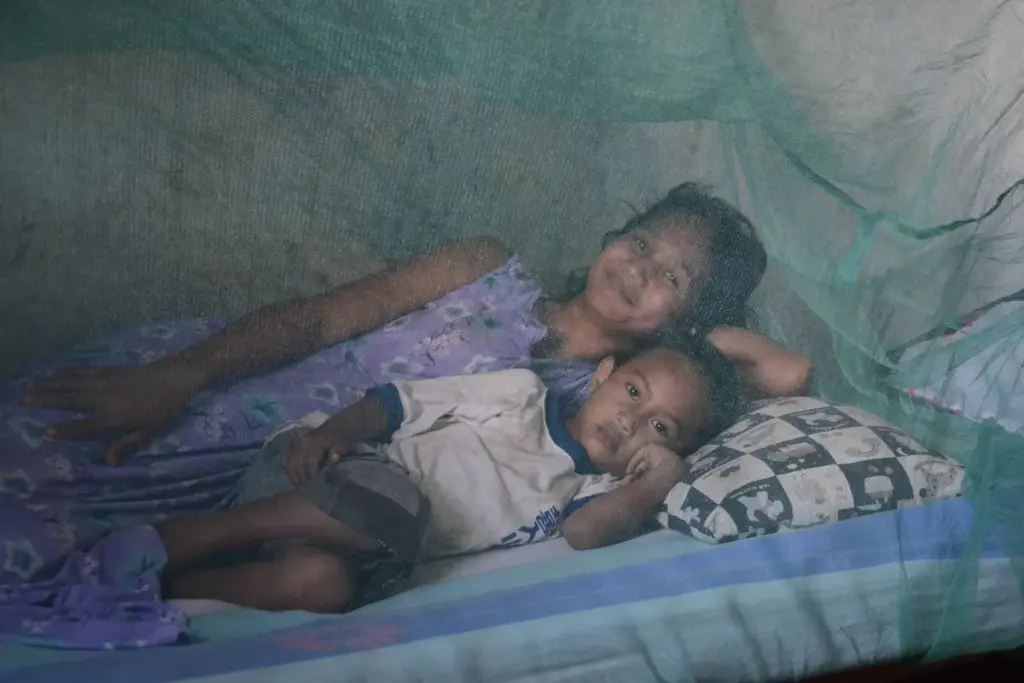
Initially, the program operated with limited resources, starting with just two full-time officers. However, these leaders provided the technical expertise and managerial focus required to lay the groundwork for a systematic nationwide response. By focusing on evidence-based interventions, the program began to gain momentum. Within a few years, the country introduced rapid diagnostic tests and artemisinin-based combination therapy as foundational elements of the National Malaria Treatment Guidelines. Simultaneously, the government began the widespread, free distribution of long-lasting insecticide-treated nets (LLINs) to the communities deemed most at risk.
By 2009, with critical support from the Global Fund to Fight AIDS, Tuberculosis and Malaria, the scale of the operation expanded significantly. Vector control efforts were ramped up nationwide, combining the distribution of insecticide-treated nets with indoor residual spraying. Furthermore, the capacity for malaria diagnosis was greatly enhanced, with microscopy and rapid diagnostic tests becoming available at the point of care in every local health post across the country.
Strengthening the Health System for All
Recognizing that malaria control could not be separated from the broader health system, Timor-Leste made substantial investments in infrastructure and personnel. Facing severe shortages of doctors and medical staff, the government developed a robust three-tier health system. This structure, which includes national hospitals, reference hospitals, community health centers, and localized health posts, was designed to ensure that the vast majority of residents could access professional medical care within an hour’s walk.
To ensure equity in health, the government implemented a policy of free universal health care at the point of service. This removed the financial barriers that often prevent the most vulnerable citizens from seeking treatment. To reach remote populations, the Ministry of Health deployed monthly mobile clinics and community outreach programs, ensuring that even the most isolated villages were included in the national effort.
This integrated approach meant that when a suspected case of malaria appeared, the system was equipped to respond immediately. The country’s success highlights the critical importance of country-led leadership and the power of collaboration between the Ministry of Health, the WHO, local communities, non-governmental organizations, and various international donors.
Surveillance, Vigilance, and Future Outlook
A core component of the country’s success was the implementation of a real-time, integrated case-based surveillance system. This system allowed for the rapid collection of data and an immediate, targeted response to any potential outbreaks. By training health workers to perform timely detection and screening—including at the country’s borders—the government ensured that the malaria parasite could not find a foothold in the population.
Dr. Arvind Mathur, the WHO Representative to Timor-Leste, praised the national effort, noting that the certification is a defining triumph for the young nation. "As a young nation, Timor-Leste stayed focused—testing, treating, and investigating swiftly," Dr. Mathur said. "Ending transmission and maintaining zero deaths takes more than science; it takes grit. This victory protects generations, present and future, and shows what a determined country can achieve."
The process of receiving the official malaria-free certification is stringent. It is the final step of a rigorous verification process conducted by the WHO. The decision to award the status is made by the WHO Director-General, following a formal recommendation from the Technical Advisory Group on Malaria Elimination and Certification, which reviews validation data provided by the Malaria Policy Advisory Group. This ensures that the certification is not merely a symbolic gesture, but a scientifically backed validation that the country has successfully eliminated the parasite.
As Timor-Leste looks toward the future, the challenge lies in sustaining this progress. The government has signaled that it remains committed to maintaining the high level of vigilance that brought the country to this point. Through continued community action, ongoing screening at border points, and a commitment to maintaining the primary healthcare infrastructure, the nation aims to ensure that malaria remains a relic of the past.
The story of Timor-Leste serves as a powerful reminder of what is possible when a nation unites behind a singular, life-saving goal. From the high-burden days of the early 2000s to today’s status as a malaria-free nation, Timor-Leste has demonstrated that with persistence, strategic investment, and a firm commitment to the health of its citizens, even the most persistent of public health challenges can be defeated.