







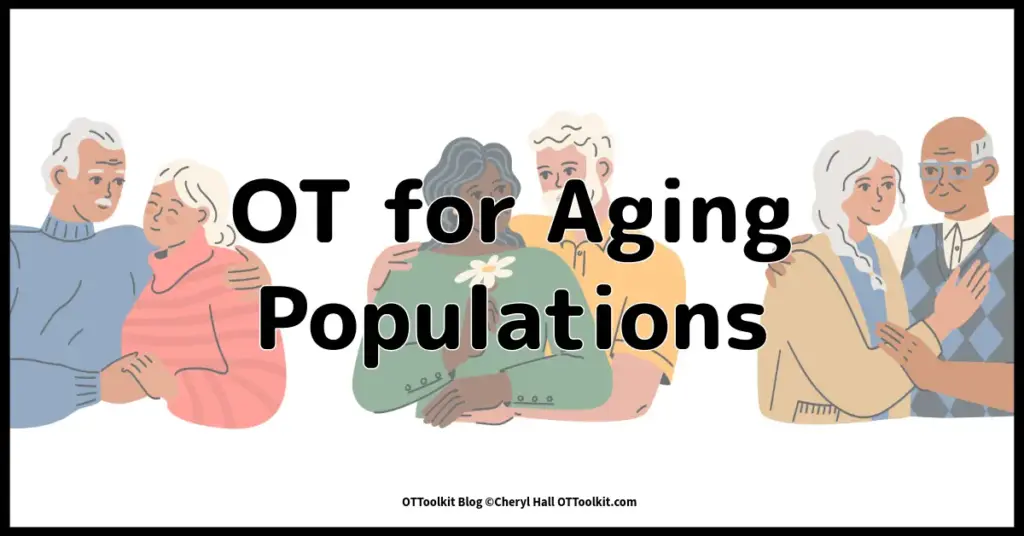
For many professionals in the field, specializing in occupational therapy (OT) for older adults represents one of the most rewarding paths a clinician can take. As the global population continues to age at an unprecedented rate, the demand for practitioners who can address the unique needs of this demographic has reached a critical juncture. The demographic reality is stark: the over-65 age cohort is currently the fastest-growing segment of the population, both in the United States and across the globe. This shift is not merely a statistical trend but a practical reality reflected in the landscape of American communities. In more than 1,400 U.S. counties—representing nearly half of the country—older adults now outnumber children. This demographic transformation necessitates a reevaluation of how healthcare is delivered, with a particular focus on enabling individuals to maintain their quality of life within the comfort and familiarity of their own homes.
The movement toward "aging in place" has become a central focus for both patients and healthcare providers. For most older adults, the desire to stay in their own homes is overwhelming. This preference is driven by a desire for autonomy, the preservation of long-standing community ties, the comfort of familiar surroundings, and the ability to maintain personal privacy. Furthermore, from an economic standpoint, remaining at home is often a significantly more sustainable option compared to the rising costs associated with institutionalized senior living facilities. However, to make this vision a reality, older adults require specialized support to navigate the physical, cognitive, and emotional hurdles that often accompany the aging process. This is where the role of the occupational therapist becomes indispensable.
To serve this population effectively, an occupational therapist must develop a comprehensive understanding of the multifaceted changes associated with aging. These changes are rarely isolated; they are often interconnected, influencing a patient’s ability to perform daily tasks and participate in their preferred occupations. Physically, clinicians must be prepared to address the common degradation of musculoskeletal health, which can manifest as chronic pain in bones, joints, and muscles. These issues are frequently compounded by declines in balance, mobility, and sensory acuity—such as vision and hearing loss—as well as the emergence of chronic health conditions. Simultaneously, therapists must account for the natural cognitive slowing that occurs with age, which can be further exacerbated by the side effects of various medications, nutritional deficiencies, and underlying medical conditions. Age remains the single most significant risk factor for conditions such as Mild Cognitive Impairment (MCI), dementia, and Alzheimer’s disease. Recognizing these factors is essential, as they often serve as the primary barriers to a patient’s independence.
Moreover, the emotional health of the older adult is a vital component of the treatment plan. While research often highlights that many older adults report high levels of happiness and fulfillment in their later years, the cumulative weight of physical and cognitive challenges can significantly impact mental well-being. A truly effective therapist is one who listens deeply to their patients, acknowledging that emotional hurdles are just as significant as physical ones. By considering the patient as a whole person, the clinician can identify the specific roadblocks preventing them from pursuing the occupations that bring meaning to their lives.
Preparation for these clinical encounters is paramount. Practitioners are encouraged to utilize robust assessment tools to gain an objective understanding of a patient’s functional status. Organizations like the American Occupational Therapy Association (AOTA) provide extensive resources and quality toolkits that offer evidence-based assessment protocols tailored to the older adult population. These tools allow therapists to quantify the level of assistance needed and to track progress over time, ensuring that care remains data-driven and focused on measurable outcomes.
Central to the success of occupational therapy with this demographic is the shared goal of maintaining independence in daily living. Helping patients master Activities of Daily Living (ADLs)—such as bathing, dressing, toileting, and eating—is a core competency of the profession. Through a combination of adaptive techniques, the introduction of assistive equipment, and the integration of modern technology, therapists can empower patients to perform these fundamental tasks with newfound confidence. The reward of witnessing a patient regain their ability to live independently is a cornerstone of the profession. Beyond basic ADLs, therapists also play a critical role in supporting Instrumental Activities of Daily Living (IADLs), which include more complex tasks like medication management, meal preparation, transportation, shopping, and communication. In many of these areas, technology can serve as a powerful bridge, providing the scaffolding necessary for patients to continue managing their own lives. Underpinning all these efforts is the creation of a functional, customized strengthening program that helps mitigate the impact of chronic conditions like COPD, Parkinson’s disease, arthritis, and diabetes.
When providing care in a home health setting, the occupational therapist occupies a unique position to influence the patient’s environment directly. Because the home is where most accidents occur, the therapist’s role as an evaluator of safety and fall hazards is life-changing. A standard home assessment often involves a meticulous review of the physical space to identify and mitigate risks. This might involve recommending mobility aids such as walkers, rollators, or canes, or advising on the installation of structural modifications like stair lifts. The bathroom, often cited as one of the most hazardous rooms in a house, receives particular attention. The introduction of grab bars, raised toilet seats, shower chairs, or transfer benches can mean the difference between a patient remaining safely at home or requiring a transition to a higher level of care.
Beyond structural modifications, the scope of the occupational therapist has expanded to include the thoughtful integration of smart home technology. From medication organizers and automated reminder systems to medical alert devices that offer a sense of security to both the patient and their family, technology can be a vital component of a comprehensive safety plan. Additionally, therapists can recommend specialized devices designed to compensate for fine motor skill deficits, such as adaptive kitchen tools or button hooks for dressing, as well as strategies to manage the impact of low vision.
Ultimately, the strength of occupational therapy lies in its holistic approach. By prioritizing what the patient wants and values first, the therapist acts as a facilitator, putting the necessary supports in place to ensure the patient can maintain their dignity and continue to participate in the occupations that define them. As the number of older adults grows, the expertise provided by occupational therapists will continue to be a vital link in the healthcare chain, ensuring that aging in place is not just a preference, but a safe and successful reality for seniors everywhere.