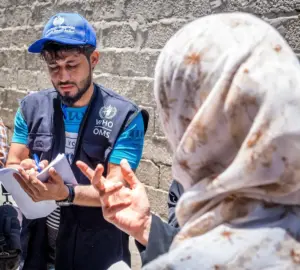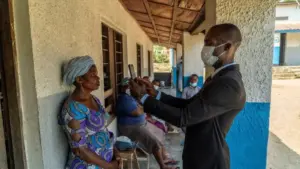




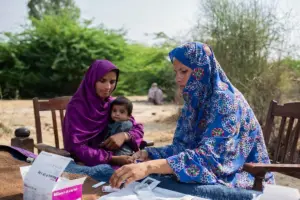




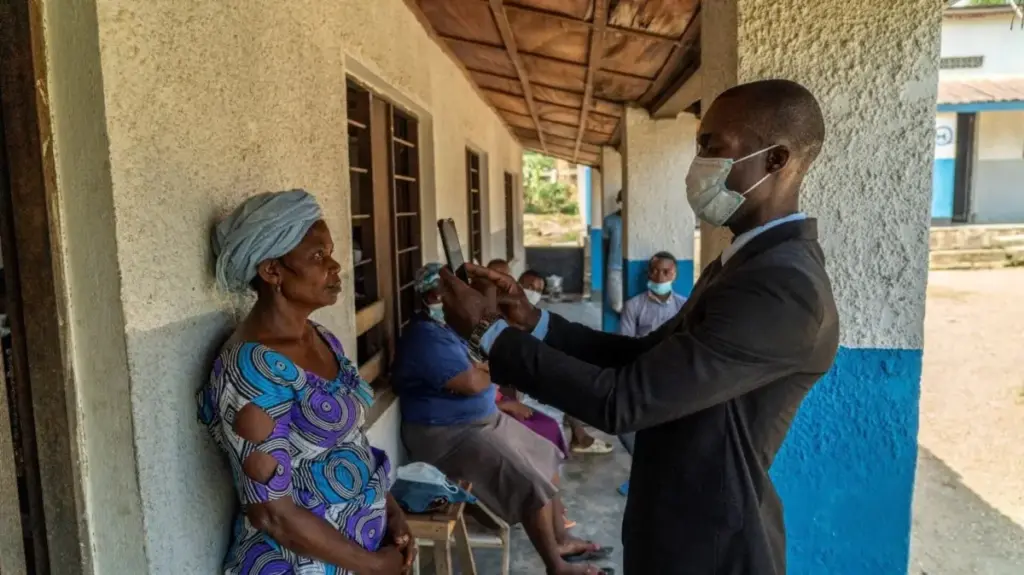
Campaigns across the African continent to stop polio and other preventable diseases now benefit from a more stable, highly motivated workforce. This operational transformation has been made possible through an ambitious collaboration between the World Health Organization (WHO), regional governments, and international partners to pay frontline health workers directly through their mobile phones rather than disbursing traditional cash wages.
The shift away from physical currency has yielded overwhelmingly positive feedback from the field. According to Ahmed Hamani Djibo, head of the WHO Digital Finance Team, more than 80 percent of participating workers report that they strongly prefer digital payments over legacy cash distribution methods.
The WHO has emerged as a leading entity among international organizations in moving away from the unwieldy and less secure practice of distributing paper currency and coins for salaries. Over the past few years, the organization established its specialized Digital Finance Team and formally joined the Better Than Cash Alliance. This partnership comprises approximately 80 member organizations within the United Nations system, operating with a clear mandate to accelerate the digitization of payments, foster financial inclusion, and actively support the broader objectives of the United Nations Sustainable Development Goals.
Since its inception in 2020, the WHO Digital Finance Team has successfully designed, tested, and implemented robust digital payment solutions across 24 countries in Africa. The expansion continued robustly over the past year, introducing the mobile payment architecture to nations including Benin, Botswana, Madagascar, Rwanda, Togo, and Zimbabwe.
Tidhar Wald, Managing Director, a.i., at the Better Than Cash Alliance, praised the milestone. "WHO has successfully digitized payments for more than two million health workers across Africa," Wald said. "With these inspiring results, WHO is taking a clear leadership role in accelerating the digital transformation in the provision of health outcomes globally."
"A Really Big Difference in Speed"
The tangible benefits of the transition are felt acutely on the ground. Frontline health workers surveyed in Côte d’Ivoire, Liberia, and Tanzania highlighted multiple advantages of the new system. They pointed to the enhanced personal security of not carrying physical cash, the notable convenience of no longer needing to travel to a designated central disbursement site to collect their pay, and, above all, the unprecedented speed of compensation.

Under the digital framework, workers have reported receiving their wages in as little as half an hour after completing their shifts. This stands in stark contrast to traditional methods, which frequently subjected workers to agonizing payment delays lasting weeks or even months.
Comprehensive surveys funded by the Bill & Melinda Gates Foundation linked this timely compensation directly to improved staff morale and significantly higher worker retention rates throughout demanding vaccination campaigns.
The real-world impact was captured by Jean-Luc, a health worker interviewed in the Democratic Republic of the Congo (DRC) immediately following the conclusion of a rigorous polio immunization campaign. "There is really a big difference in speed," Jean-Luc explained. "We finished the campaign mop-up yesterday and received a text notification the next evening. I’m going to pay my child’s school fees. Now we can relax."
Beyond the immense relief provided to individual workers, digital payments generate substantial time and cost savings for health campaign organizers. The new systems eliminate the complex logistical burdens, security risks, and administrative expenses associated with transporting large sums of physical cash into remote areas and completing exhaustive manual documentation.
Saïdi, a polio team leader in the DRC, reflected on the administrative relief provided by the digital transition. "When you have 300 to 500 volunteers to pay, doing accounts and signing receipts takes a lot of time," Saïdi noted, emphasizing how automation frees supervisors to focus entirely on public health delivery.
The initiative had its origins in Côte d’Ivoire, where the WHO first deployed digital payments during critical polio immunization campaigns. At the time, public health officials were grappling with a concerning rise in outbreaks of vaccine-derived polio, yet vaccination drives were repeatedly struggling to gain operational momentum. During the first quarter of 2020, almost half of all scheduled polio campaigns in the WHO African Region faced severe disruptions. They were either postponed, suffered from high rates of worker attrition, or experienced other detrimental effects directly tied to administrative delays in cash disbursements.

As the WHO and its strategic partners worked to establish the foundational infrastructure of a reliable digital payment ecosystem—which included registering thousands of workers into secure databases and verifying their personal profiles with local mobile network operators—the profound advantages of a cashless approach quickly became clear.
Maria May, Senior Program Officer for Inclusive Financial Systems at the Gates Foundation, emphasized the broader socioeconomic empowerment accompanying the health initiative. "There is substantial evidence that digitizing payments can support people, especially women, to gain access to financial services and increase control over their earnings," May said. "Over the past four years, the World Health Organization has utilized the growing presence of mobile money across Africa to ensure that the courageous frontline vaccinators in polio outbreak campaigns are paid completely, quickly, and securely."
Looking forward, the integration of digital finance is viewed not merely as an administrative upgrade, but as a cornerstone of modern public health architecture. Alain Labrique, director of the WHO Department of Digital Health and Innovation, explained that digital payments represent one of the primary pillars of Digital Health Public Infrastructure currently being actively promoted through WHO guidance to member states undergoing digital transformation.
The organization views digital payments as an essential foundation for a wide array of future digital development activities, operating in tandem with robust data exchange mechanisms and digital identification infrastructures. Expressing enthusiasm for the ongoing institutional progress, Labrique added that the organization is delighted to work alongside specialized digital partners and celebrate the WHO’s ongoing integration within the Better Than Cash Alliance.