






As the excitement of summer fades and students return to the classroom for the start of a new academic year, school-based occupational therapists are gearing up for the autumn transition. September brings cooler, crisp days and, in many therapy clinics and classrooms, a seasonal shift toward apple-themed programming. Pediatric specialists are utilizing these harvest-inspired motifs to address a wide array of developmental targets, ranging from fine and gross motor skills to sensory integration, executive functioning, and social-emotional development.
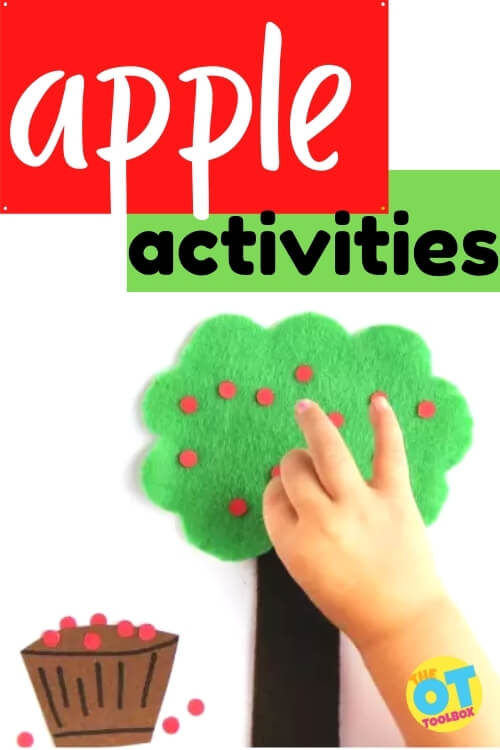
For occupational therapists managing diverse school-based caseloads, structured seasonal themes offer a versatile toolkit to meet individual educational and therapeutic goals. Practitioners report pulling from digital resource libraries, such as membership dashboards featuring specialized materials, to curate printables and hands-on activities tailored to specific student needs. Favorites include apple-themed geoboard exercises, emotion-based "I Spy" games, directed drawing prompts, handwriting sheets, and connect-the-dots templates. When paired with tools like tactile sensory strips or vertical surfaces, these resources simultaneously address foundational skills like postural control, heavy work input, and visual-motor integration.
The systematic approach allows therapists to break down developmental goals into clear functional categories. By leveraging autumn motifs, professionals can seamlessly transition from unstructured summer routines back into structured academic environments while maintaining high engagement levels among children.
Apple Sensory Activities
Sensory integration forms a cornerstone of pediatric occupational therapy, and autumn themes provide rich opportunities for tactile and proprioceptive exploration. Practitioners often incorporate tactile mediums that offer deep pressure and heavy work through the hands, which helps children regulate their nervous systems and prepare for seated classroom tasks.
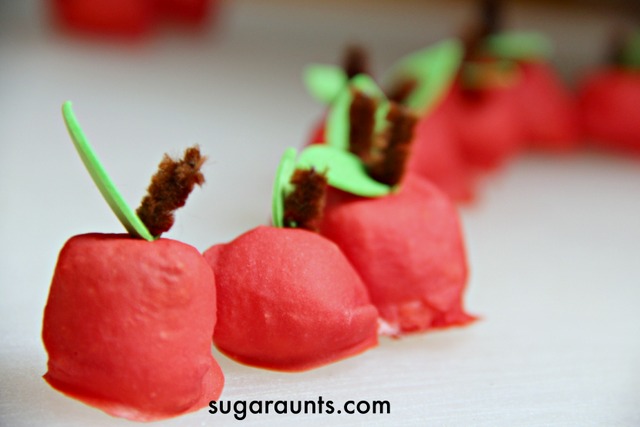
One popular intervention involves crafting tactile apples from baked cotton balls, which combine tactile sensory feedback with fine motor manipulation. Similarly, educators and therapists frequently utilize sensory bins filled with textured materials like dried beans, cinnamon-scented rice, or oats. An apple-pie-themed sensory bin can double as a tool for visual perception and literacy by hiding magnetic letters inside. When children physically dig through the bin to find and assemble the letters needed to spell the word "apple," they engage in tactile learning that reinforces shape constancy and helps mitigate letter reversals by grounding abstract concepts in physical touch.

Other textured media, such as homemade oobleck blended with applesauce and cinnamon, introduce unconventional tactile inputs. These mixtures serve a dual purpose in clinical settings; while they address sensory hypersensitivities or hyposensitivities, they also function as engaging mediums for building attention span, practicing multi-step sequencing, and following directions. When combined with guided discussion, these sensory experiences can further support socioemotional interventions.
Apple Fine Motor Activities
Fine motor control, hand strength, and dexterity are critical for everyday functional tasks such as handwriting, managing fasteners like buttons and zippers, and cutting with safety scissors. Apple-themed activities offer structured ways to build these intrinsic hand muscles through play-based tasks.

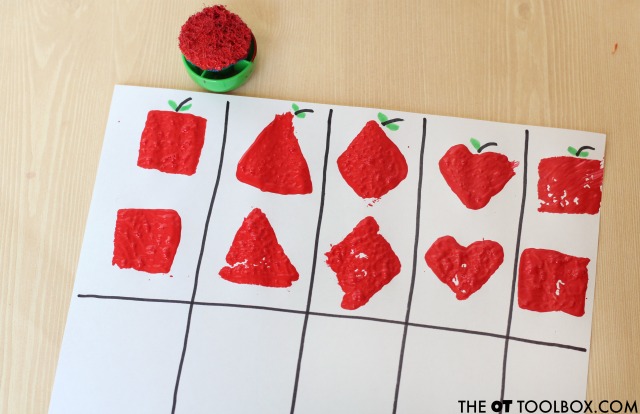
Multi-sensory math activities involving apples allow children to manipulate small objects while practicing foundational cognitive skills. Craft projects utilizing simple household items, such as stamping paint with empty toilet paper tubes, require precise hand-eye coordination, bilateral integration, and crossing the midline. Meanwhile, poking toothpicks into soft objects or small gourds demands a refined pincer or tripod grasp, directly preparing the small muscles of the hand for pencil control and clothing independence.
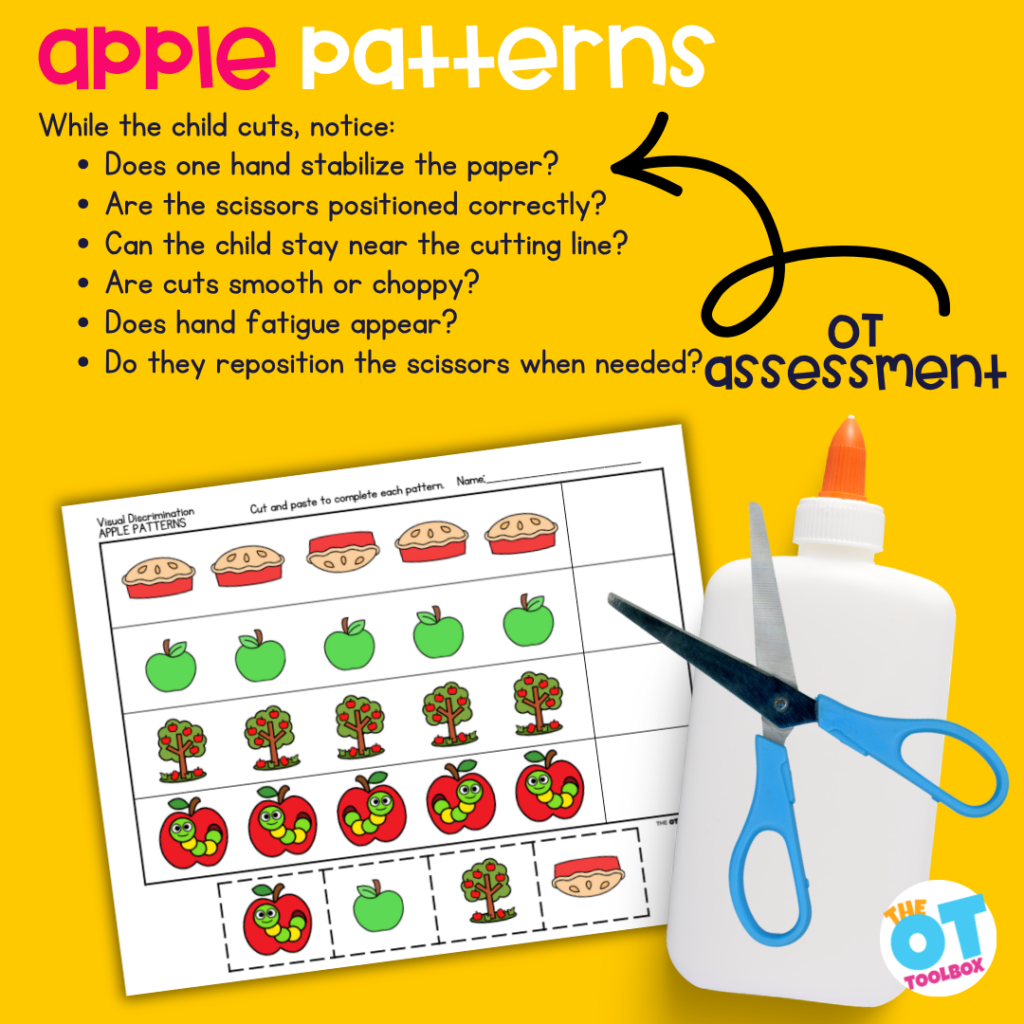
Pointillism art projects utilizing standard hole punches provide another effective mechanism for strengthening hand arches and finger isolation. As children repeatedly squeeze the hole punch and subsequently pick up tiny paper circles, they refine their finger dexterity and visual-motor precision. Pattern worksheets featuring apples further support scissor skill acquisition. Observing a child cut along outlines at the beginning of the school year offers therapists valuable diagnostic insights into their current functional baseline, bilateral coordination, and visual planning abilities, establishing a clear benchmark for annual progress tracking.
Apple Gross Motor Activities
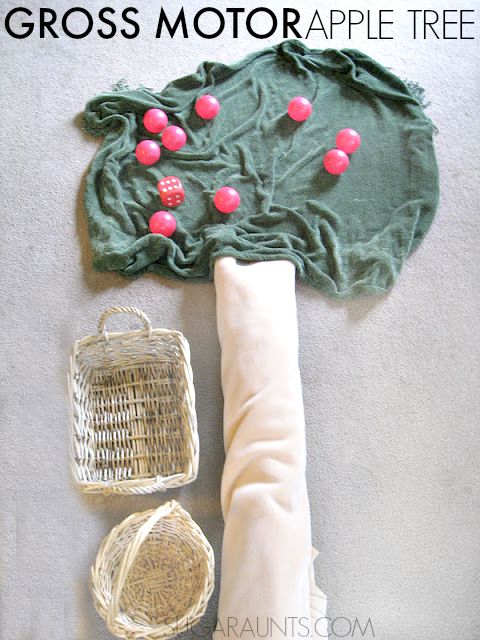
Gross motor development is equally vital for establishing the core strength, postural stability, endurance, balance, and motor planning necessary for sitting upright at a desk and navigating the school environment. Therapists frequently integrate whole-body movement into apple-themed interventions to support these foundational physical systems.
Indoor balance beams decorated or themed around the autumn harvest encourage dynamic balance, core engagement, and vestibular processing. Movement-based brain breaks centered on seasonal themes provide regulated physical activity that helps students reset and maintain attention throughout the school day. Classic literature, such as Dr. Seuss’s Ten Apples Up on Top, offers literary engagement that can be easily translated into gross motor tasks. By mimicking the balancing acts and movements of the animals in the story—or by utilizing lightweight felt props balanced on their heads—children actively work on postural stability, body awareness, and motor coordination.
Apple Visual Perception Activities
Visual perceptual skills, including visual discrimination, form constancy, spatial awareness, and visual closure, are essential for reading, writing, and mathematics. Apple-themed geometric and building activities provide concrete ways to target these cognitive-visual processes.
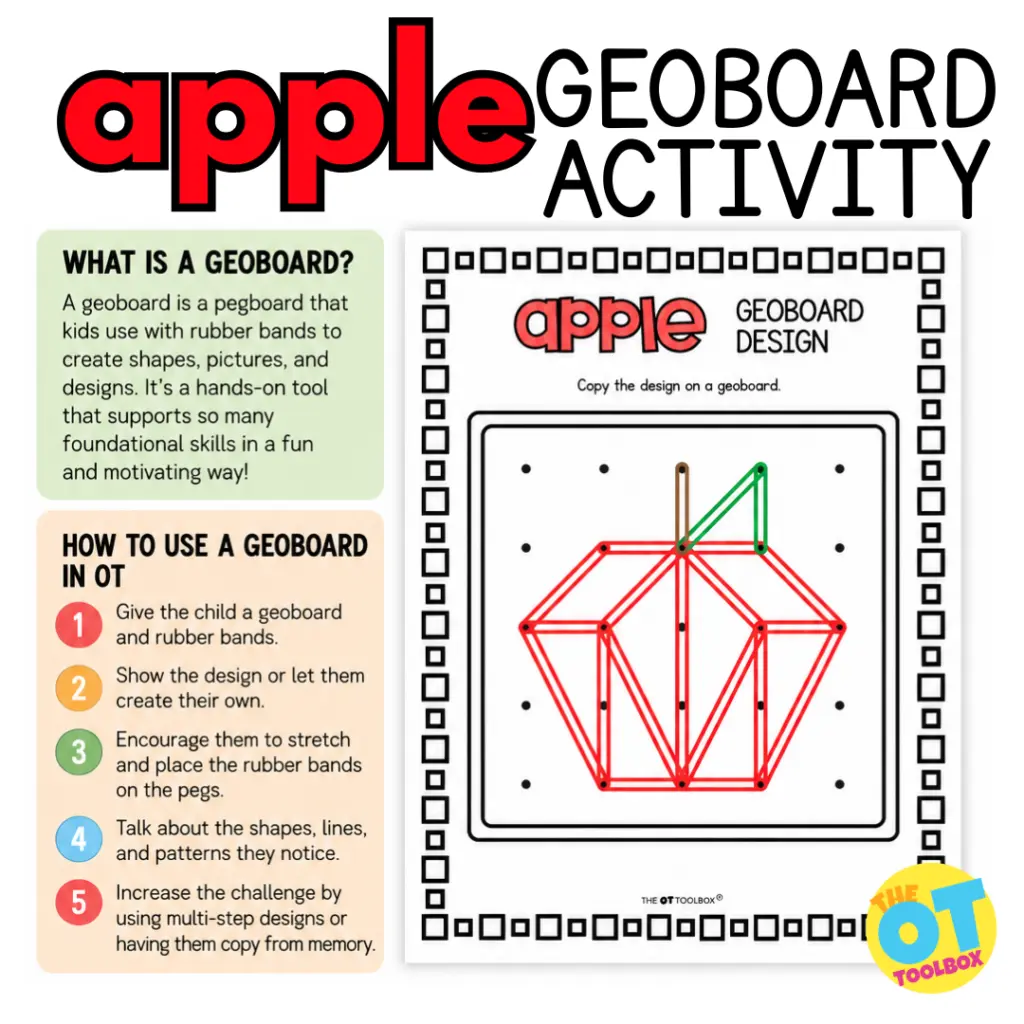
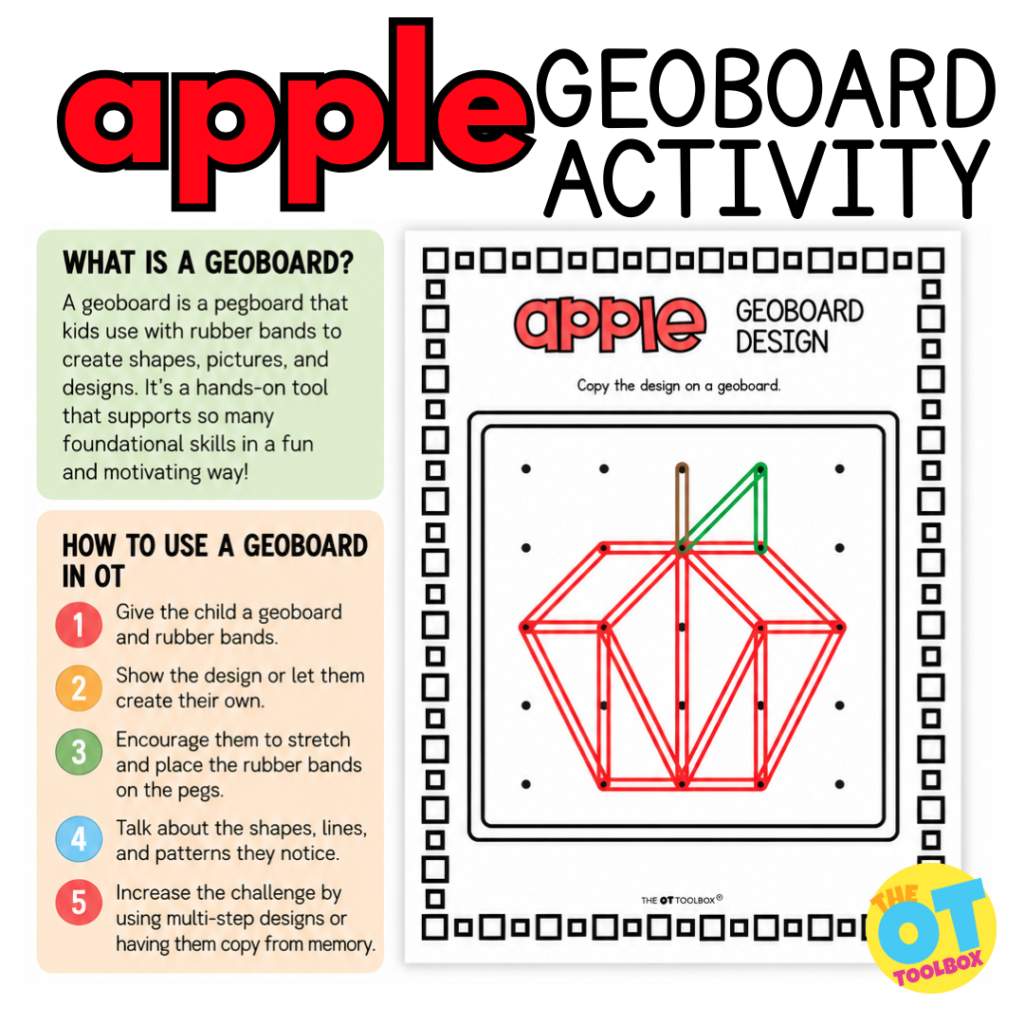
Therapists frequently employ shape-based matching tasks and tangram-style building exercises, such as constructing apple structures out of plastic interlocking bricks. Replicating a visual model requires spatial reasoning and problem-solving. Printable geoboard activities further reinforce these skills by requiring children to visually analyze a reference image and replicate the design on a physical pegboard using rubber bands. This task challenges hand strength, finger isolation, and visual-motor integration simultaneously. Therapists can easily grade these activities up or down by adjusting the complexity of the design, incorporating memory recall challenges, or pairing the visual task with written descriptions to reinforce literacy.
Apple Executive Function Activities
Executive functioning skills—encompassing working memory, cognitive flexibility, planning, and self-regulation—are heavily called upon during multi-step tasks like cooking and crafting. Preparing simple recipes, such as apple salt dough or following the sequence of a tree’s growth cycle through narrative literature, allows children to practice sustained attention and cognitive sequencing.
Interactive sorting games utilizing labeled containers, such as cups decorated as red apples used for spelling and word recognition exercises, provide adaptable frameworks for cognitive interventions. These materials can be integrated directly into structured learning sessions to target multiple developmental domains at once.
Apple Handwriting Activities
Handwriting remains a primary focus in school-based occupational therapy, and seasonal themes offer natural context for writing prompts and narrative development. Clinical strategies are typically tailored to the developmental stage of the student. Beginning writers may focus on forming single vocabulary words related to the theme, while developing writers construct complete sentences. Older students often tackle more complex assignments, such as describing the botanical life cycle of an apple from seed to fruit. Higher-level executive functioning prompts encourage students to brainstorm, organize their thoughts, draft independently, and edit their written work within a cohesive thematic framework.
Apple Activities for Social Emotional Skills
Structured group activities centered around common themes also foster social communication and peer interaction. Specialized curricula designed to encourage collaborative play help children develop pragmatic language skills, emotional regulation, and cooperative behaviors in supportive group environments. By embedding developmental goals into familiar and engaging seasonal routines, occupational therapists continue to support students as they navigate the academic and social demands of the new school year.