





The World Health Organization and the Republic of Korea have marked another milestone in their long-standing partnership spanning over more than 75 years, underscoring a remarkable journey of shared health goals, mutual cooperation, and global development. As a direct result of their fruitful collaboration over the decades, there has been significant and measurable progress in health outcomes and developmental milestones all around the world. The Republic of Korea’s trajectory within this partnership is particularly notable, having successfully transitioned from being a donor-recipient country to a prominent donor-country in its own right. Today, the Republic of Korea stands as a true leader in global health, playing a critical, influential role on the world stage and helping to shape international health security, development policies, and humanitarian assistance frameworks.
To further strengthen this enduring partnership and cement their shared commitment to working jointly to address complex and evolving global health challenges, the World Health Organization and the Republic of Korea recently convened their second Strategic Dialogue in Seoul. The high-level meetings took place over two intensive days from August 28 to August 29, 2024, bringing together key decision-makers, policymakers, and technical experts from both organizations to review past achievements, assess current collaborative frameworks, and chart a strategic course for the future of global public health.

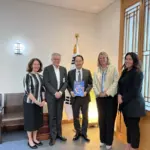
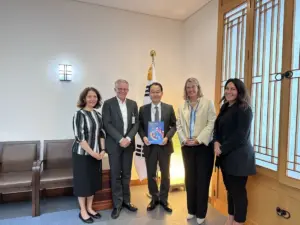
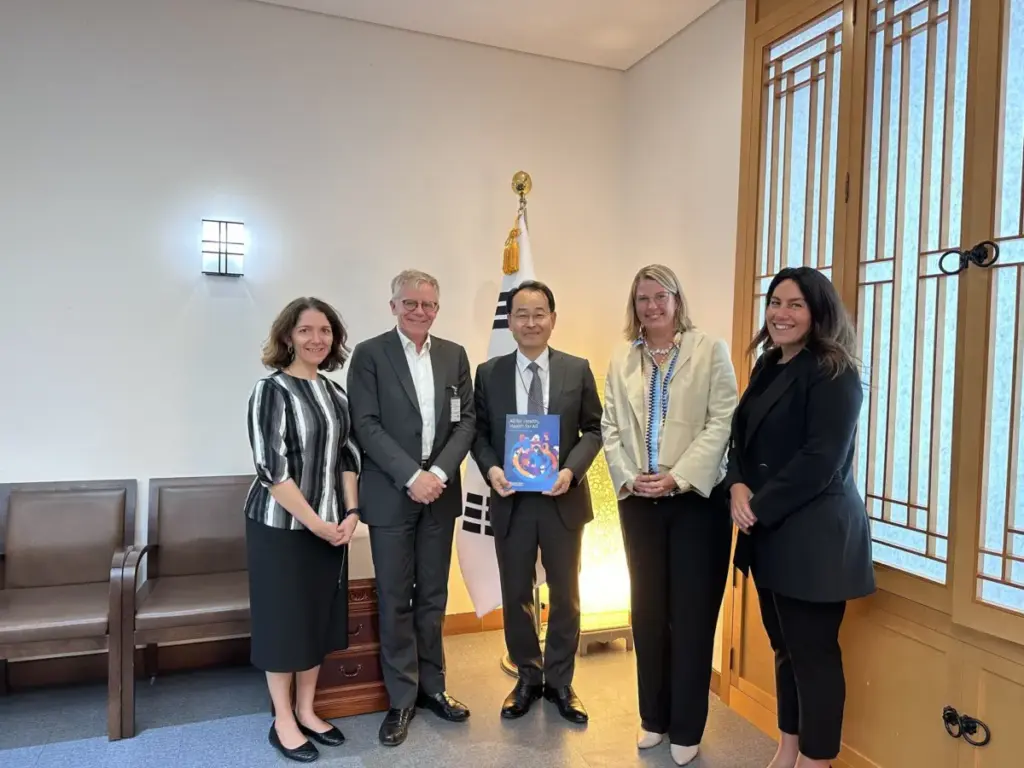
The World Health Organization delegation to the Seoul talks was led by Dr Catharina Boehme, Assistant Director-General for External Relations and Governance. Dr Boehme was accompanied by an in-person team of senior advisors and technical experts, as well as numerous colleagues participating virtually from the three levels of the Organization, representing WHO headquarters, regional offices, and country-level operations. This multi-tiered participation underscored the comprehensive and integrated nature of WHO’s engagement with the Republic of Korea, touching upon local health system strengthening, regional health security across the Western Pacific, and global policy initiatives coordinated from Geneva.

On the host side, the Republic of Korea delegation was led by Dr Hye-Jin Kim, Deputy Minister for Planning and Coordination at the Ministry of Health and Welfare. Dr Kim was joined by a distinguished group of senior government officials representing the core pillars of the nation’s public health and safety apparatus. Among them was Dr Young-Mee Jee, Commissioner of the Korea Disease Control and Prevention Agency, whose presence highlighted the critical focus on disease surveillance, pandemic preparedness, and public health emergency management. Furthermore, the delegation included senior counterparts from the Ministry of Foreign Affairs, reflecting the diplomatic and developmental dimensions of the partnership, as well as representatives from the Ministry of Food and Drug Safety, emphasizing regulatory collaboration, pharmaceutical safety, and health product innovation.
In addition to formal inter-agency consultations with ministerial counterparts, the WHO delegation engaged in broader political outreach. In line with the World Health Organization’s ongoing strategic work to enhance collaboration and active dialogue with parliamentarians worldwide, the delegation also met with various Members of the National Assembly of the Republic of Korea. These parliamentarians have been vocal champions of the global health agenda within the legislative branch, working to ensure sustained domestic political and financial support for international health initiatives, development assistance, and multilateral health frameworks.

The recently concluded two-day meeting in Seoul resulted in a strong alignment of priorities between the global health body and the national government, paving the way for significantly enhanced collaboration moving forward. Discussions centered on identifying strategic areas where the Republic of Korea’s technological innovation, robust public health infrastructure, and financial contributions can best synergize with WHO’s normative guidance, technical expertise, and global convening power. By reviewing existing joint initiatives and exploring new avenues for cooperation, both delegations reinforced their mutual dedication to addressing emerging health threats, achieving universal health coverage, and strengthening global health architecture for the decades to come.