






In homes and classrooms everywhere, educators and parents frequently encounter moments when children become overwhelmed, out-of-sync, or emotionally dysregulated. Whether it is a sudden meltdown in a grocery store aisle, difficulty staying seated during a lesson, or challenges maintaining focus throughout the afternoon, dysregulation is a normal part of growing up. However, occupational therapy experts point to a powerful, natural tool that can help stabilize an overactive or underactive nervous system: heavy work.
Heavy work activities are not chores in the traditional sense, but rather specific movements that require exertion from the body’s muscles and joints. By engaging the proprioceptive system—the sensory network responsible for body awareness and spatial orientation—these physical tasks provide calming and organizing input that helps children regain self-regulation, improve attention span, and successfully participate in daily routines.
What is Heavy Work?
At its core, heavy work encompasses any activity that forces muscles to work against resistance through pushing, pulling, lifting, or jumping. These actions stimulate the proprioceptive receptors located in the muscles, ligaments, and joints. Once activated, these receptors send continuous messages back and forth to the brain, which calculates the exact amount of force needed to perform a specific movement.

This complex feedback loop is essential for body awareness, enabling children to understand where their limbs are in space and how much pressure to apply, whether they are gently holding an egg or lifting a heavy school backpack. According to pediatric specialists, the proprioceptive system acts as a universal regulator. When properly stimulated, it can help even out disturbances in other sensory systems, safely reducing high energy levels or gently boosting alertness to help a child reach a calm, focused state.

When and Why to Integrate Heavy Work
Incorporating heavy work into a child’s daily schedule does not require clinical equipment or specialized facilities. Occupational therapists emphasize that these strategies can be seamlessly woven into everyday environments, including the home, the classroom, and community settings. Establishing a consistent sensory lifestyle—integrating movement breaks naturally into the day—helps children build the self-regulation tools they need before frustration sets in.
Experts recommend introducing heavy work at strategic points throughout the day. Morning routines can benefit from proprioceptive input to prepare a child’s nervous system for the demands of school. Similarly, afternoon transitions upon returning home and calming heavy work activities incorporated into bedtime rituals can ease the shift between high-activity environments and restful states.
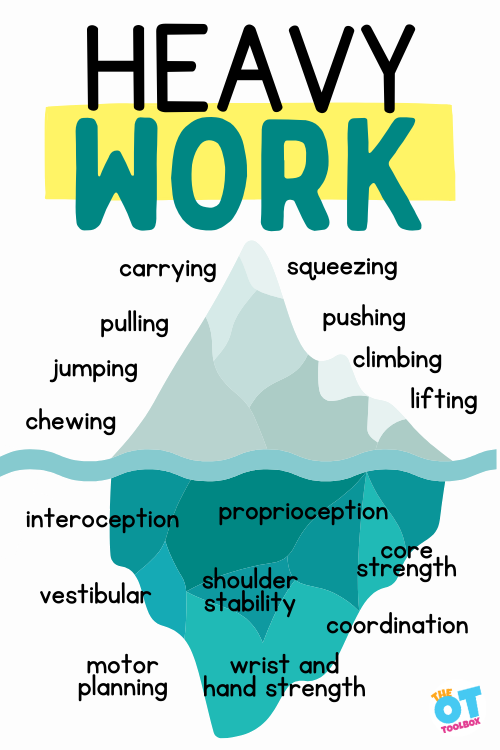
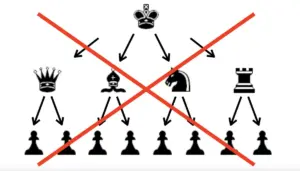
The underlying mechanisms of heavy work involve a delicate balance between visible actions and unseen neurological processes. While observers typically notice the physical exertion—such as carrying a heavy basket, pushing a weighted cart, or participating in animal walks—the internal benefits are equally profound. The resistance applied to the joints fosters motor planning, core stability, and emotional regulation, creating a synergistic loop where physical movement supports cognitive focus and vice versa.
Practical Strategies Across Environments
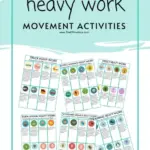
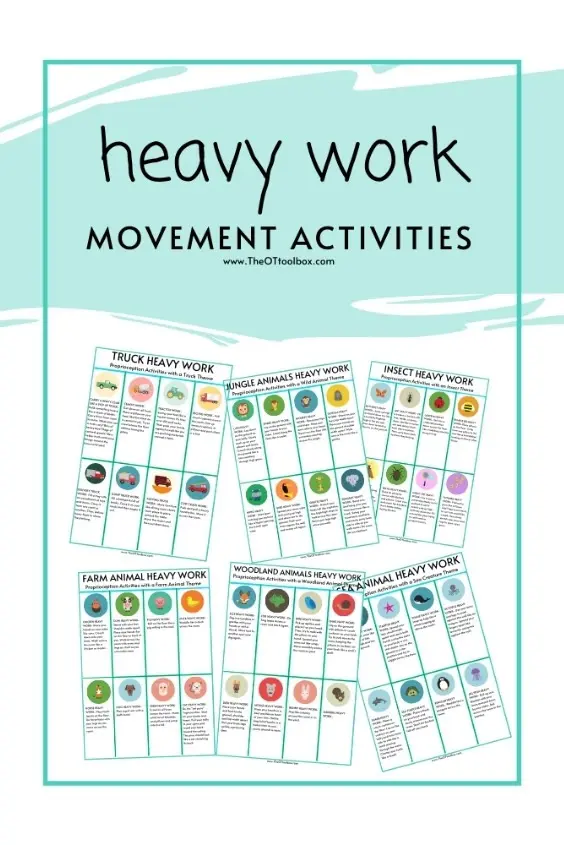
Because every child has a unique sensory profile, approaches to heavy work must be adaptable. Activities generally fall into several key categories based on the muscle groups and joints engaged.
Pushing and pulling activities, such as moving a wagon, participating in a game of tug-of-war, or performing wall push-ups, engage the large muscle groups of the upper and lower extremities alongside core stability. These movements provide immediate resistive feedback that helps ground a restless child.
Jumping movements—including trampoline use, jumping jacks, and star jumps—deliver organizing input specifically through the hips, knees, and ankles. Meanwhile, lifting and carrying weighted items, such as stacks of books, laundry baskets, or wearing a weighted backpack, leverage both external objects and body weight to challenge the musculoskeletal system.

Fewer people realize that heavy work can also be delivered through the mouth and jaw. Oral motor activities involving heavy chewing or sucking provide powerful, calming input through the jaw, cheeks, tongue, and neck, serving as an effective discreet strategy for anxious or unfocused children.
Additional tools like animal walks—such as bear crawls and crab walks—climbing playground equipment, and engaging in deep pressure yoga poses offer diverse avenues for proprioception. For children experiencing sensory processing difficulties, these movement opportunities can form the foundation of an individualized sensory diet designed to support emotional well-being and active engagement in daily life.

Supporting Children Through Seasonal Transitions
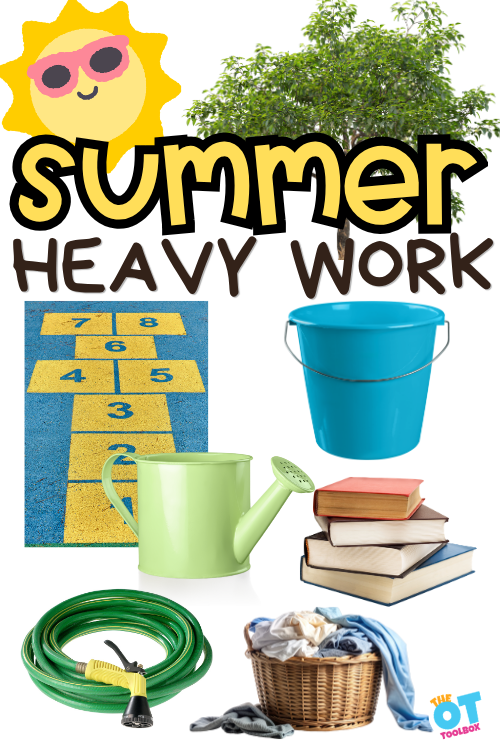
As school schedules give way to summer breaks, family routines often shift, leading to increased screen time and less structured movement. While digital devices can offer temporary distraction, extended screen use can sometimes exacerbate dysregulation. Occupational therapists recommend utilizing the summer months as an ideal opportunity to integrate heavy work into backyard play, family outings, and household responsibilities.
Outdoor chores and yard work—such as weeding, carrying watering cans, or sweeping pathways—provide natural heavy work that acts as a physical warm-up before recreational activities. Community outings, such as carrying groceries from the car or pushing a stroller, offer functional ways to maintain sensory regulation while on the move. Backyard games, pool play, and simple indoor household tasks further ensure that children remain physically active, supported, and well-regulated throughout changing seasonal routines.