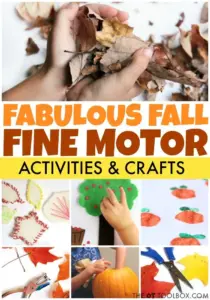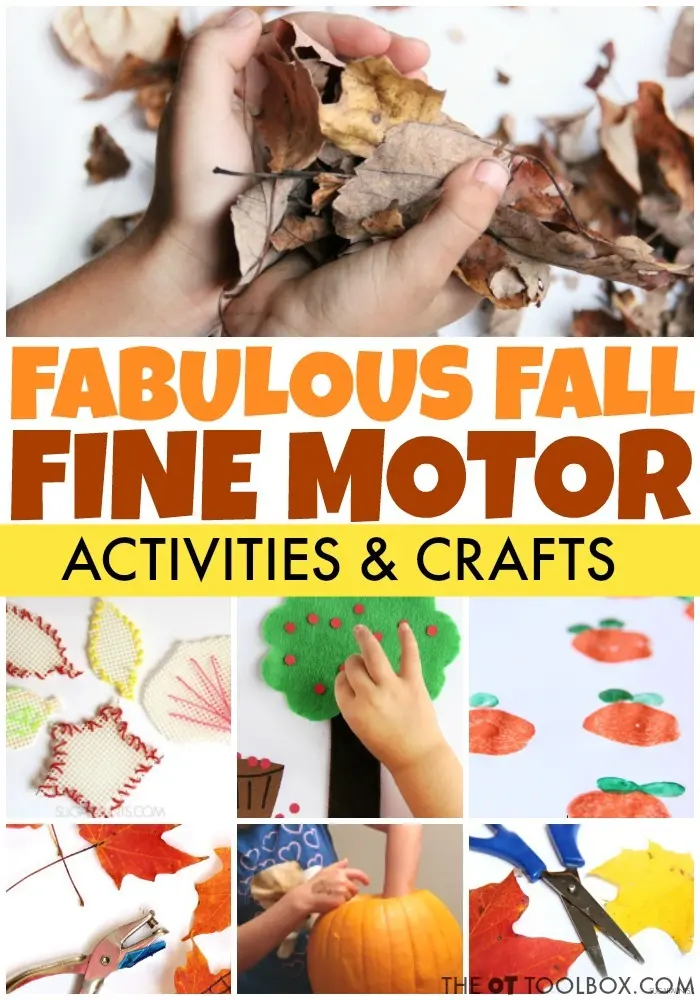
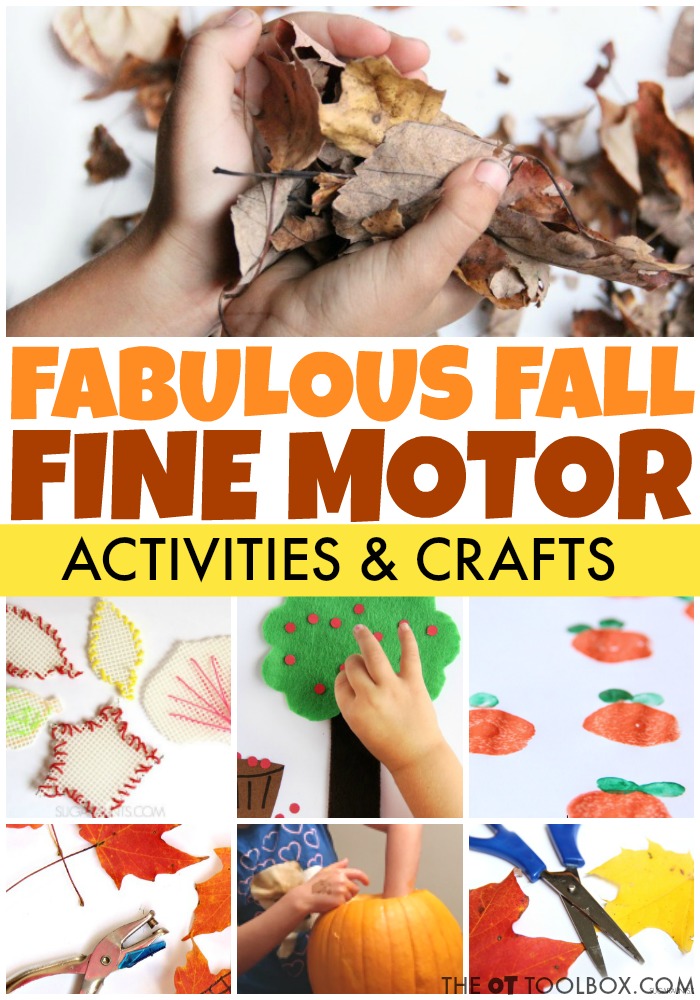
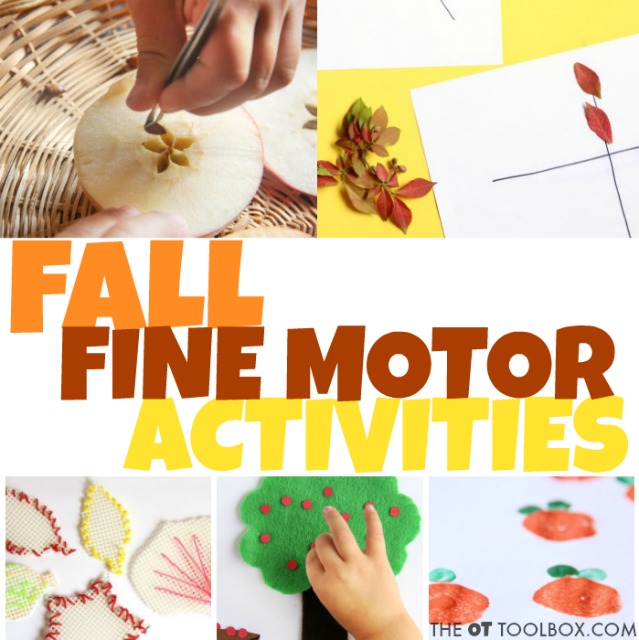
As the autumn season arrives with changing leaves, cooler temperatures, and pumpkin spice themes filling the air, pediatric occupational therapists, educators, and parents are increasingly turning to seasonal materials to support children’s developmental needs. Rather than selecting autumn activities merely for their festive appeal, professionals are harnessing the natural elements of the season—such as apples, leaves, pumpkins, acorns, and farm themes—to target specific fine motor, visual-motor, and sensory objectives in children.
The transition into fall provides an ideal backdrop for targeted developmental interventions. Specialists emphasize that seasonal play can seamlessly address critical areas such as hand strength, finger dexterity, scissor skills, visual-motor integration, and handwriting. Many of these activities inherently overlap multiple developmental domains, allowing therapists to adapt tasks dynamically based on individual children’s evolving needs.
To support these efforts, various resources, including sensory booklets and specialized therapy memberships, offer structured ideas that blend seasonal engagement with therapeutic progression. These tools are designed to encourage foundational movements like a mature tripod grasp, bilateral hand coordination, and refined finger opposition, making developmental exercises feel like natural play rather than clinical work.
Fall Hand Strength Activities
Building hand strength is a fundamental prerequisite for many daily functional tasks, ranging from writing with a pencil to manipulating clothing fasteners and opening containers. When children exhibit weak hand strength, therapists often look to resistive materials that naturally engage the intrinsic muscles of the hands.
Apple-themed geoboards serve as an effective therapeutic tool in clinical settings. By having a child stretch rubber bands across the pegs of a geoboard to recreate a specific apple design, the activity introduces natural resistance to the fingers and hands. This process requires controlled release and precise spatial planning, effectively targeting hand and finger strength, bilateral coordination, and visual-motor skills. Therapists can easily scale the challenge by substituting thicker or more resistant bands or by simplifying visual patterns for children who find the spatial demands too demanding.
Play dough remains a cornerstone of pediatric occupational therapy regardless of the season. The soft, squishy medium offers both a tactile sensory challenge and proprioceptive feedback while naturally encouraging movements like rolling, squeezing, pinching, and pressing. These actions promote arch development, wrist stability, and the establishment of pincer and tripod grasps. Therapists frequently enhance play dough activities by hiding small seasonal items—such as miniature leaves, plastic erasers, or colored beads—inside the dough, or by utilizing printable shape cards to guide purposeful creation.
Another common intervention involves apple-themed hole-punch activities. Operating a standard hole punch requires sustained bilateral hand force and precise finger control, while positioning the punch along the perimeter of a printed apple shape incorporates a significant visual-motor component.
Fall Dexterity Activities
Manual dexterity involves the coordinated, efficient use of the fingers for small and precise movements. When dexterity breaks down, children may struggle with speed, precision, or the intricate finger positioning required for academic and self-care tasks. Fall-themed manipulatives—including craft pom-poms, seeds, mini erasers, paper clips, and small craft materials—provide versatile avenues for refining these abilities.
Fall tree geoboards, for instance, invite children to manipulate rubber bands around individual pegs, requiring the continuous use of the fingertips to grasp, stretch, reposition, and release elastic bands with control. Encouraging fingertip isolation rather than whole-hand grasping helps build the refined movements necessary for advanced fine motor tasks.
Similarly, apple paper clip counting activities combine mathematical concepts with fine motor practice. Children attach a designated number of paper clips to laminated counting cards. The mechanical action of opening and positioning a paper clip demands precise fingertip force and bilateral coordination, as one hand must stabilize the card while the other manipulates the clip.
Craft pom-poms also offer widespread utility in dexterity training. By incorporating tongs or tweezers to transfer fall-colored pom-poms into ice cube trays or muffin tins, children practice pincer precision and tool control. Therapists can easily grade the activity by altering the size of the pom-poms or changing the mechanics of the transfer tool.
Fall Scissor Skills and Cut-and-Paste Crafts
Scissor use is a complex bilateral task requiring the cutting hand and the stabilizing hand to perform entirely separate functions simultaneously. While one hand opens and closes the scissors along a visual path, the helper hand must continuously rotate and stabilize the paper.
Apple cutting practice pages offer structured pathways for children to follow, allowing therapists to assess cutting mechanics, paper rotation, and grasp patterns. For children in regions with seasonal foliage, live fall leaves provide an organic medium for snipping and cutting practice. Children can cut leaves into small pieces or snip along marked lines, combining fine motor work with sensory exploration.
Cut-and-paste crafts introduce higher-level executive functioning demands to traditional cutting tasks. Farm-themed crafts available in therapeutic resource libraries require children to cut out specific components, visually determine their correct spatial orientation, follow an assembly sequence, and glue them into position. This multi-step process integrates scissor skills with bilateral coordination, spatial awareness, and direction-following.
Integrating Visual-Motor and Handwriting Skills
Fine motor proficiency is closely linked with visual-motor integration—the ability to coordinate visual input with precise motor output. Children frequently possess adequate hand strength and dexterity yet experience difficulty when a task requires them to copy a design, follow a line, or reproduce spatial relationships.
Fall-themed directed drawing exercises invite children to observe models of acorns, leaves, and pumpkins, then reproduce the corresponding lines and shapes on paper. Pattern block designs combine similar spatial reasoning with physical manipulation, requiring children to identify geometric pieces, determine their correct orientation, and position them into a cohesive layout.
Visual scanning and attention are further addressed through seasonal "I Spy" activities. Therapists often enhance these visual tasks by adding a fine motor component, such as having the child circle found items, cover them with small manipulatives, or attach clothespins to corresponding pictures.
Handwriting tasks similarly benefit from seasonal themes. Rather than practicing isolated letter formations, educators and therapists utilize themed writing prompts to encourage meaningful writing within specific parameters. These prompts can be adapted across developmental stages, allowing emerging writers to produce single fall-related vocabulary words, beginning writers to construct sentences, and older students to draft full paragraphs while focusing on line awareness, spacing, letter size, and endurance.
No-Prep and Nature-Based Interventions
Many effective fine motor interventions rely on everyday natural objects and household items requiring little to no preparation. Fallen leaves can be torn, crumpled, punched, cut, sorted, or strung onto yarn. Acorns and pumpkin seeds can be gathered, counted, sorted, and transferred using tongs to build pincer strength and arch development.
Common household items like plastic bread ties and wooden clothespins also serve as practical tools for building finger strength. Attaching clothespins to a cardboard tree to represent falling leaves, for example, offers a direct way to build the radial grasp strength needed for everyday tasks.
As educators and clinicians plan their seasonal curricula, the integration of structured, theme-based fine motor activities continues to provide an effective bridge between seasonal engagement and essential developmental progress. By leveraging the natural appeal of autumn, professionals can target foundational skills in a manner that remains both purposeful and engaging for children.