





BREAKING NEWS
Applied Behavior Analysis Soy-Derived Compound Shows Promise in Mitigating Brain and Cardiovascular Damage from High-Salt Diets 5 hours ago Child Development Bridging the Divide: How Modern Neuroscience is Validating Centuries-Old Psychoanalytic Insights 5 hours ago Occupational Therapy Global Community Prepares to Observe World Occupational Therapy Day on October 27 5 hours ago Speech and Language Therapy Speech and Language Kids Announces Expansion of Structured Curriculum to Transform SLP Workflow 5 hours ago Mental Health and Psychology The Sunday Scaries: Understanding the Science Behind the Weekend’s End 5 hours ago Early Intervention ZERO TO THREE Expands Comprehensive Early Childhood Resource Center to Support Babies, Families, and Professionals 5 hours ago Assistive Technology Adidas Unveils the Supernova Rise 3 Adaptive: A Breakthrough Performance Running Shoe Designed for Athletes with Disabilities 5 hours ago Sensory Processing New Printable Summer Sensory Stations Offer Occupational Therapists and Educators a Creative Self-Regulation Tool 5 hours ago Applied Behavior Analysis Soy-Derived Compound Shows Promise in Mitigating Brain and Cardiovascular Damage from High-Salt Diets 5 hours ago Child Development Bridging the Divide: How Modern Neuroscience is Validating Centuries-Old Psychoanalytic Insights 5 hours ago Occupational Therapy Global Community Prepares to Observe World Occupational Therapy Day on October 27 5 hours ago Speech and Language Therapy Speech and Language Kids Announces Expansion of Structured Curriculum to Transform SLP Workflow 5 hours ago Mental Health and Psychology The Sunday Scaries: Understanding the Science Behind the Weekend’s End 5 hours ago Early Intervention ZERO TO THREE Expands Comprehensive Early Childhood Resource Center to Support Babies, Families, and Professionals 5 hours ago Assistive Technology Adidas Unveils the Supernova Rise 3 Adaptive: A Breakthrough Performance Running Shoe Designed for Athletes with Disabilities 5 hours ago Sensory Processing New Printable Summer Sensory Stations Offer Occupational Therapists and Educators a Creative Self-Regulation Tool 5 hours ago
Stories
Soy-Derived Compound Shows Promise in Mitigating Brain and Cardiovascular Damage from High-Salt Diets
Bridging the Divide: How Modern Neuroscience is Validating Centuries-Old Psychoanalytic Insights
Global Community Prepares to Observe World Occupational Therapy Day on October 27
Speech and Language Kids Announces Expansion of Structured Curriculum to Transform SLP Workflow
The Sunday Scaries: Understanding the Science Behind the Weekend’s End
ZERO TO THREE Expands Comprehensive Early Childhood Resource Center to Support Babies, Families, and Professionals
Adidas Unveils the Supernova Rise 3 Adaptive: A Breakthrough Performance Running Shoe Designed for Athletes with Disabilities
New Printable Summer Sensory Stations Offer Occupational Therapists and Educators a Creative Self-Regulation Tool
Beyond Homo Economicus: Reimagining Life, Relational Philosophy, and Ecologies of Care
Beyond the Headlines: Why Every Case of Psychosis Is Unique and the Danger of the Violence Myth

Tag: disease

7 posts

Standard

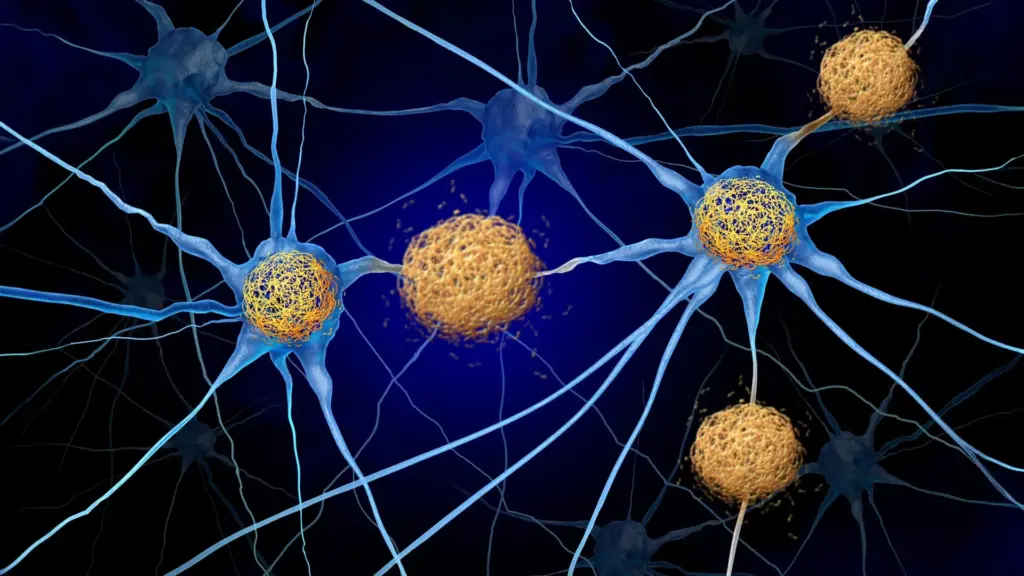
Immune System Overreaction Identified as Key Driver of Sleep Disruption in Alzheimer’s Disease

In a significant pivot for Alzheimer’s research, scientists at the University of Kentucky have uncovered an unexpected mechanism behind the profound sleep disturbances that plague millions of patients. The study, published in the journal Alzheimer’s & Dementia, suggests that the cognitive decline and nocturnal restlessness associated with the disease may not be caused solely by…

Read more
Standard

New Research Targets Immune Response to Halt Brain Cell Death in Alzheimer’s Disease

Protecting brain cells from the progressive destruction that characterizes Alzheimer’s disease and related neurodegenerative conditions remains one of the most formidable challenges in modern medicine. These disorders, collectively known as tauopathies, are marked by the accumulation of abnormal tangles of a protein called tau inside the brain. As these toxic tangles build up, neurons begin…

Read more
Standard

Breakthrough Research Reveals How Rare Genetic Mutation Protects Against Alzheimer’s Disease

For decades, the medical community has grappled with a confounding mystery: why do some individuals, despite carrying the most significant genetic risk factor for Alzheimer’s disease, remain cognitively sharp and symptom-free well into their 80s and beyond? This genetic resilience has long been a focal point for researchers seeking to unlock the secrets of neuroprotection.…

Read more
Standard

Rare Genetic Mutation Offers Clues to Protecting the Brain Against Alzheimer’s Disease

For decades, the field of Alzheimer’s research has been defined by a persistent mystery: why do some individuals, despite carrying the strongest known genetic risk factor for the disease, remain cognitively vibrant and mentally sharp well into their eighties? For these resilient individuals, their genetic makeup seems to grant them an invisible shield, allowing them…

Read more
Standard

EIB Global and WHO Announce €10 Million Initiative to Bolster Public Health Infrastructure and Chronic Disease Care in Lebanon

On March 6, 2025, during the high-profile EIB Group Forum held in Luxembourg, Dr Tedros Adhanom Ghebreyesus, Director-General of the World Health Organization (WHO), met with Thomas Östros, Vice-President of the European Investment Bank operating through its specialized arm, EIB Global. The high-level encounter culminated in the official signing of a critical grant agreement valued…

Read more
Standard

Could Subtle Sleep Disruptions Serve as an Early Warning Sign for Alzheimer’s Disease?

Could the secret to detecting Alzheimer’s disease lie not in the complex diagnostic tests of a neurologist’s office, but in the quiet, often overlooked patterns of our nightly slumber? Researchers at the University of Liège (ULiège), with the vital support of the Stop Alzheimer’s Foundation, are currently exploring a compelling hypothesis: that subtle, seemingly innocuous…

Read more
Standard

New Study Links Deep Sleep and REM Cycles to Reduced Risk of Chronic Disease

A significant new study published on September 17th in the open-access journal PLOS Medicine offers compelling evidence that the architecture of our sleep—specifically the time spent in REM and deep sleep cycles—plays a critical role in long-term health outcomes. Conducted by Shengzhi Sun of Capital Medical University in China and a team of colleagues, the…

Read more