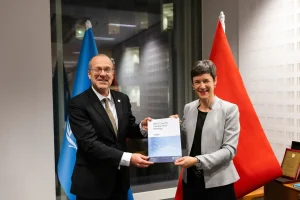






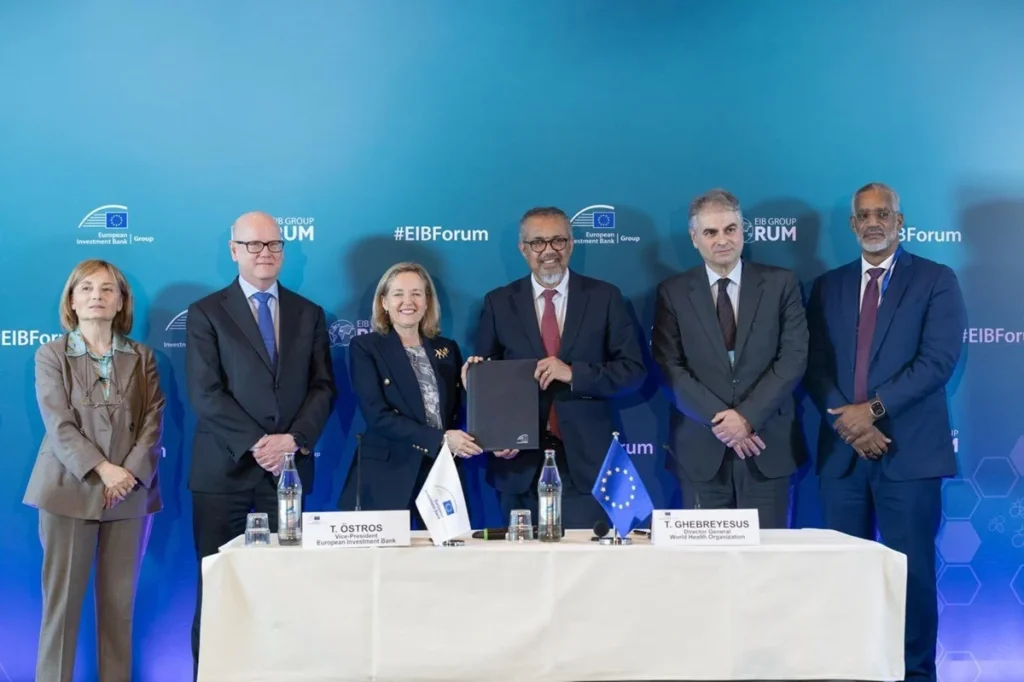
On March 6, 2025, during the high-profile EIB Group Forum held in Luxembourg, Dr Tedros Adhanom Ghebreyesus, Director-General of the World Health Organization (WHO), met with Thomas Östros, Vice-President of the European Investment Bank operating through its specialized arm, EIB Global. The high-level encounter culminated in the official signing of a critical grant agreement valued at €10 million, specifically designed to reinforce and revitalize public health systems across Lebanon during a period of profound national need.
The newly minted partnership represents a vital intervention for a nation striving to stabilize its healthcare framework amidst compounding socioeconomic challenges. Under the terms of the agreement, the substantial financial injection will be channeled directly into two foundational pillars of public health: the physical and operational re-establishment of Lebanon’s Central Public Health Laboratory, and the immediate prioritization of essential medication provisions alongside targeted healthcare support.
Through this comprehensive scope of work, the joint initiative is slated to deliver direct, life-saving assistance to more than 50,000 individuals suffering from chronic, non-communicable diseases. Among the primary beneficiaries will be patients battling severe and long-term health conditions such as diabetes, cardiovascular complications, and various forms of cancer, populations that frequently bear the heaviest burden when national health infrastructures face systemic strain.
The decision to allocate these vital European Investment Bank funds in collaboration with the World Health Organization underscores the international community’s ongoing commitment to safeguarding vulnerable populations in Lebanon. Central public health laboratories serve as the backbone of any national health system, functioning as the primary engines for disease surveillance, epidemiological tracking, diagnostic confirmation, and health security assurance. By re-establishing Lebanon’s Central Public Health Laboratory, the initiative will restore essential diagnostic and analytical capabilities that are indispensable for detecting health threats, monitoring outbreaks, and ensuring the safety of medical products and food supplies throughout the country.
Simultaneously, the targeted focus on chronic disease management addresses an acute humanitarian and medical emergency within the Lebanese population. Chronic illnesses require continuous, uninterrupted access to pharmaceutical therapies and clinical monitoring. When economic crises, supply chain disruptions, or infrastructural damage severely restrict the availability of medicines for conditions like hypertension, heart disease, and diabetes, patients face catastrophic health outcomes, including acute emergencies, preventable disabilities, and loss of life. By prioritizing medication provision for upwards of 50,000 people, this €10 million grant aims to bridge critical supply gaps, ensuring that vulnerable patients can maintain their treatment regimens without interruption.
The formal signing ceremony in Luxembourg brought together key leadership from both global institutions. Dr Tedros Adhanom Ghebreyesus, representing the WHO, has consistently emphasized the necessity of international solidarity and robust partnerships to protect health as a fundamental human right, particularly in settings experiencing protracted crises. Similarly, Thomas Östros, speaking on behalf of EIB Global, highlighted the bank’s dedication to fostering sustainable development, economic resilience, and social welfare in partner regions outside the European Union.
EIB Global is the EIB Group’s specialized arm dedicated to increasing the impact of international partnerships and development finance. Operating as a key pillar of the European Union’s broader strategy, EIB Global works to foster closer alignment and cooperation with partner countries, leveraging financial expertise and public-private collaboration to address pressing global challenges, including public health emergencies and infrastructural deficits. The partnership with the World Health Organization leverages the technical expertise and global reach of the UN health agency alongside the robust financial mobilization capacity of the European Union’s bank.
As the implementation phase of the €10 million initiative begins, health authorities, international observers, and affected communities look toward the tangible impacts these funds are expected to deliver. The restoration of the Central Public Health Laboratory will not only provide immediate diagnostic relief but will also fortify Lebanon’s long-term preparedness against future health shocks. Meanwhile, the direct support extended to tens of thousands of chronic disease patients will alleviate immense personal and familial suffering, providing a crucial safety net for individuals navigating complex medical realities.
Further details regarding the implementation timeline, milestone targets, and operational frameworks of the grant can be accessed directly through the official EIB Press Release. Additional context and ongoing updates concerning public health operations in the region continue to be managed and coordinated through the WHO Media Team at the World Health Organization.