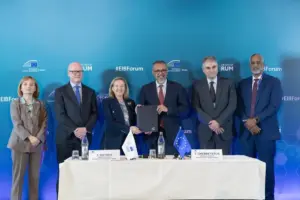






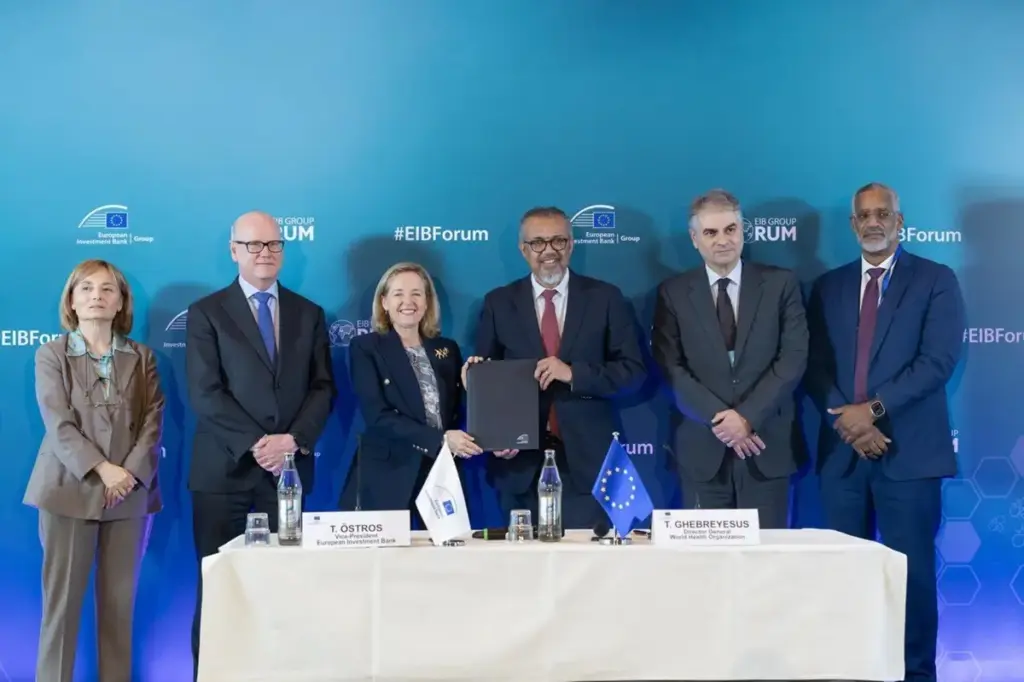
On March 6, 2025, a significant step toward stabilizing and rebuilding Lebanon’s fragile healthcare infrastructure was taken in Luxembourg. Dr. Tedros Adhanom Ghebreyesus, Director-General of the World Health Organization (WHO), met with Thomas Östros, Vice-President of the European Investment Bank (EIB Global), at the prominent EIB Group Forum. Against the backdrop of ongoing regional challenges and pressing domestic needs within Lebanon, the two leaders formally signed an agreement securing a €10 million grant dedicated entirely to bolstering public health systems across the country.
This vital financial injection comes at a critical juncture for Lebanon, a nation that has faced a compounding series of socioeconomic, political, and infrastructural crises in recent years. The new collaborative initiative between the WHO and EIB Global is meticulously designed to address two of the most urgent vulnerabilities in the Lebanese health sector: the complete operational recovery of the country’s national diagnostic capabilities and the uninterrupted supply of life-saving therapeutics for vulnerable populations suffering from severe, long-term medical conditions.
At the core of the newly minted agreement is the full re-establishment and modernization of Lebanon’s Central Public Health Laboratory. As the cornerstone of any resilient national health system, a centralized public laboratory is indispensable for epidemiological surveillance, disease detection, food safety, and the verification of pharmaceutical standards. Years of severe economic distress, institutional strain, and infrastructural degradation had severely compromised the laboratory’s capacity to function effectively. By channeling funds directly into this critical institution, the EIB Global and WHO partnership aims to restore Lebanon’s national diagnostic independence, allowing health authorities to detect, monitor, and respond to public health threats with the necessary speed and precision.
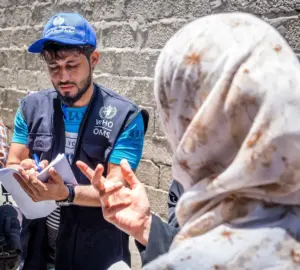
Beyond laboratory reconstruction, the €10 million grant carries an immediate humanitarian and clinical impact by prioritizing the direct provision of essential medications and targeted healthcare support. According to the framework of the agreement, the initiative is specifically slated to aid over 50,000 individuals living with chronic diseases. Non-communicable diseases, including diabetes, cardiovascular complications, and various forms of cancer, represent a massive and growing burden on Lebanon’s population. For thousands of patients, accessing consistent, life-prolonging treatments has become an insurmountable financial challenge amid soaring inflation, currency devaluation, and widespread shortages of imported pharmaceuticals. This joint intervention by the WHO and the European Investment Bank seeks to bridge that devastating gap, ensuring that vulnerable patients do not go without the critical therapies they need to manage their conditions and sustain their quality of life.
The signing ceremony at the EIB Group Forum highlights the expanding role of international financial institutions in partnering with specialized United Nations agencies to address complex humanitarian and developmental emergencies. While traditional development funding often focuses on long-term capacity building, this particular initiative strikes a crucial balance between immediate life-saving assistance and the structural rehabilitation required for sustainable recovery. By leveraging the financial expertise and global mandate of EIB Global alongside the technical proficiency, on-the-ground presence, and public health leadership of the WHO, the partnership provides a robust framework for channeling aid where it is most desperately needed.
The collaboration also underscores the ongoing commitment of the international community to stand by the people of Lebanon during a protracted period of national hardship. Health professionals and international observers have long warned that the degradation of Lebanon’s medical sector threatens not only domestic well-being but also regional health security. The restoration of the Central Public Health Laboratory will re-ignite a vital node in the broader Eastern Mediterranean disease surveillance network, enhancing regional preparedness against potential outbreaks and health emergencies.
As implementation gets underway, the World Health Organization and the European Investment Bank are expected to work closely with local Lebanese health authorities and operational partners to ensure that the funds are deployed efficiently and transparently. The focus will remain firmly on rapid deployment to secure medicine supplies for the prioritized group of over 50,000 chronic disease patients while laying the groundwork for the structural reconstruction of the laboratory facilities. Further details regarding the partnership, project milestones, and technical implementation updates can be found directly through the official press resources provided by the European Investment Bank.