





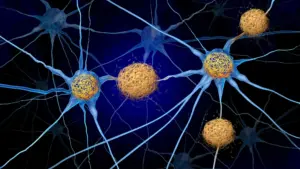




A decades-old agricultural pesticide may be responsible for a substantially increased risk of Parkinson’s disease, according to a groundbreaking study from UCLA Health. Researchers have identified not only a statistical link between the chemical, chlorpyrifos, and the neurological condition, but have also uncovered the biological mechanism by which the substance damages the human brain.
The study, published in the journal Molecular Neurodegeneration, reveals that individuals with long-term residential exposure to chlorpyrifos are more than 2.5 times as likely to develop Parkinson’s disease compared to those with no history of exposure. By utilizing both human population data and laboratory models, the research team has moved beyond mere correlation, suggesting a direct biological pathway through which the pesticide degrades nerve cells critical for motor function.
A Persistent Chemical Legacy
Parkinson’s disease is a progressive and debilitating neurological condition that currently affects nearly one million Americans. Characterized by tremors, muscle rigidity, bradykinesia (slowed movement), and significant coordination difficulties, the disease is primarily caused by the loss of dopamine-producing neurons. Dopamine serves as a vital chemical messenger that allows the brain to facilitate smooth, controlled physical movements. As these neurons perish, the brain’s ability to regulate the body’s motor systems diminishes.

While scientists have long understood that genetic predispositions can influence the likelihood of developing Parkinson’s, the medical community has increasingly shifted its focus toward environmental triggers. Pesticides have become a central area of investigation, as many of these chemicals are designed to disrupt the nervous systems of insects—an action that can have unintended, deleterious consequences for human biological processes.
Chlorpyrifos, in particular, has been a fixture of global agriculture for decades. Despite its widespread use, concerns regarding its toxicity led the United States to ban its residential use in 2001. More recently, in 2021, the U.S. government implemented stricter limitations on its application in agriculture. Nevertheless, the chemical remains authorized for use on a variety of crops domestically and continues to be utilized extensively in many other parts of the world. Because the latency period between exposure and the onset of neurological symptoms can span years, the long-term public health implications of past and ongoing chlorpyrifos usage remain a critical concern for toxicologists and neurologists alike.
Quantifying the Risk
To determine the extent of the association between chlorpyrifos and Parkinson’s, the UCLA research team drew from the university’s long-running Parkinson’s Environment and Genes (PEG) study. This longitudinal project tracks how both inherited genetic factors and environmental exposures contribute to the development of the disease.
The researchers analyzed data from 829 individuals diagnosed with Parkinson’s disease and a control group of 824 people without the condition. By cross-referencing California’s detailed historical records of pesticide application with the residential and workplace address histories of the study participants, the scientists were able to estimate the cumulative exposure to chlorpyrifos for each individual over time.
The findings were stark: those who had experienced prolonged residential exposure to the pesticide faced more than double the risk of receiving a Parkinson’s diagnosis. While population-based studies are inherently limited in their ability to prove direct causation, the researchers viewed these findings as a compelling mandate to investigate whether the chemical could indeed induce the specific type of brain pathology associated with the disease.
Investigating the Biological Mechanism
To bridge the gap between statistical association and biological proof, the team conducted a series of laboratory experiments. They exposed mice to aerosolized chlorpyrifos for 11 weeks, an approach chosen to simulate the way humans might inadvertently encounter the pesticide in their living or working environments.
The results were consistent with the clinical manifestations of Parkinson’s. The exposed mice displayed significant movement difficulties and suffered a measurable loss of dopamine-producing neurons. Furthermore, the researchers observed heightened inflammation within the animals’ brains and the abnormal accumulation of a protein known as alpha-synuclein.
Under healthy conditions, alpha-synuclein is a standard component of nerve cells, assisting in their normal function. However, when the protein misfolds and aggregates into toxic clumps, it becomes a hallmark of Parkinson’s disease. These deposits are widely believed to be a primary driver of the gradual deterioration of brain cells. The ability of chlorpyrifos to trigger this specific protein buildup in animal models provided a crucial link to the human data, suggesting that the pesticide is not merely a bystander, but an active participant in the neurodegenerative process.
The Breakdown of Cellular Cleanup
To further elucidate exactly how chlorpyrifos wreaks such havoc on neurons, the researchers turned to zebrafish. These organisms are frequently employed in neuroscience due to their clear biological pathways, which allow scientists to monitor the development and survival of nerve cells in real-time.
The experiments revealed that chlorpyrifos disrupts autophagy—a vital cellular maintenance process. Autophagy serves as the body’s internal recycling and sanitation system, responsible for breaking down damaged proteins and worn-out cellular components. For neurons, which must remain operational for a person’s entire lifespan, efficient autophagy is essential to prevent the accumulation of cellular "trash" that can lead to cell death.
When the researchers exposed the zebrafish to the pesticide, they observed a failure in this cleanup system. Damaged material began to collect inside the neurons, ultimately leading to their decline. Crucially, the researchers also identified a potential pathway for intervention: when they successfully restored the cellular cleanup process or removed the synuclein protein in their laboratory models, the neurons were shielded from damage. This discovery indicates that the toxicity of chlorpyrifos is not necessarily irreversible, provided the underlying biological pathway can be stabilized.
New Avenues for Prevention and Treatment
The realization that autophagy dysfunction is a key driver of pesticide-induced neurotoxicity offers a promising, albeit preliminary, target for future medical therapies. If scientists can develop treatments that bolster the brain’s natural cleanup systems, they may eventually be able to protect vulnerable individuals from the neurodegenerative effects of pesticide exposure.
While these protective measures have currently only been demonstrated in laboratory models, the implications for human health are significant. As researchers continue to study the effects of environmental chemicals, this study underscores the necessity of distinguishing between different types of pesticides rather than treating them as a monolithic risk factor.
Dr. Jeff Bronstein, a professor of Neurology at UCLA Health and the senior author of the study, emphasized the importance of this targeted approach. "This study establishes chlorpyrifos as a specific environmental risk factor for Parkinson’s disease, not just pesticides as a general class," Dr. Bronstein stated.
He further noted the significance of the biological evidence provided by the team’s work. "By showing the biological mechanism in animal models, we’ve demonstrated that this association is likely causal. The discovery that autophagy dysfunction drives the neurotoxicity also points us toward potential therapeutic strategies to protect vulnerable brain cells."
Looking forward, the research team intends to explore whether other common pesticides operate through similar cellular mechanisms. In the meantime, the findings serve as a valuable tool for public health officials, potentially helping to identify populations with histories of high pesticide exposure who may benefit from earlier and more frequent neurological monitoring. As the scientific community works toward breakthroughs that can slow or stop the progression of Parkinson’s, understanding the environmental triggers of the disease remains a cornerstone of both prevention and patient care.