







Why do some skills seem to click into place with effortless grace, while others remain elusive, stagnating despite hours of repetitive, disciplined practice? For years, the scientific community has looked for the answer in the nuances of human talent, the intensity of focus, or the frequency of repetition. However, groundbreaking new research suggests that the secret to mastering a new ability may lie not just in the mind, but in the physiological condition of the brain during the critical hours that follow a practice session.
A team of researchers at Tohoku University, specializing in the complex architecture of super-network brain physiology, has uncovered a compelling link between the body’s internal signaling systems and the brain’s ability to solidify new motor skills. By studying mice, the researchers demonstrated that stimulating the vagus nerve—a major conduit of the nervous system—immediately after a training period can significantly boost long-term learning. The findings, published on August 25, 2026, in the journal iScience, challenge the long-held notion that learning is an isolated mental process, instead highlighting the profound, often overlooked influence the body exerts on the brain’s capacity for permanent change.
The Vagus Nerve: A Bridge Between Body and Mind
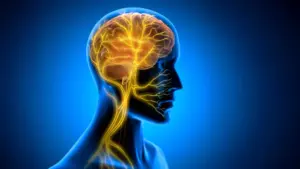
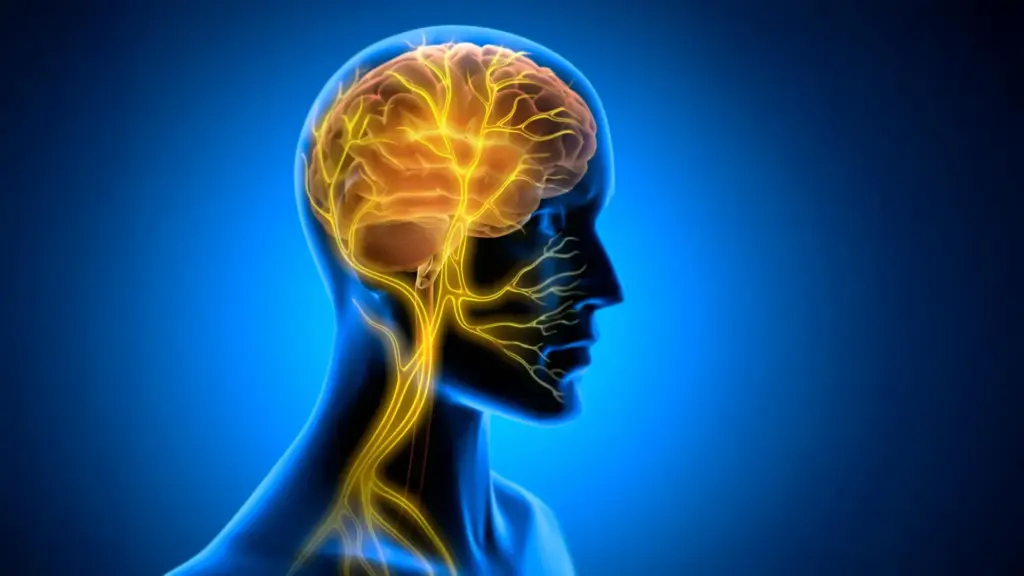
The vagus nerve is one of the most vital pathways in the human body, acting as a massive, bidirectional information highway. It links the brain to the heart, lungs, and digestive tract, continuously transmitting sensory data from our internal organs to the brain while simultaneously carrying regulatory instructions from the brain back to those organs. Because of its expansive reach and its role in maintaining homeostasis, the vagus nerve has become a primary target for Vagus Nerve Stimulation (VNS), a clinical intervention already approved for the treatment of several medical conditions, including epilepsy and treatment-resistant depression.
Historically, scientists have focused on VNS primarily as a method of neuromodulation. The prevailing theory has been that by stimulating this nerve, researchers could alter the activity of neurotransmitter systems—the chemical messengers that allow neurons to communicate. However, the Tohoku University study suggests that there is a more intricate, mechanical layer to this process: rhythmic changes in the blood vessels within the brain. This discovery potentially shifts the paradigm of how we understand the "post-practice" window, suggesting that the physical environment of the brain itself can be tuned to facilitate better memory consolidation.
To test this hypothesis, the researchers developed a specialized, miniature cuff electrode. This device was designed to be surgically attached to the left cervical vagus nerve in mice, allowing the team to deliver precise electrical impulses. The researchers then subjected the mice to a specific learning task known as the horizontal optokinetic response (HOKR). This cerebellum-dependent task measures a subject’s ability to adjust eye movements to track moving visual stripes. It is a fundamental motor skill, comparable to the automatic adjustments a human makes when standing on a train platform and watching a passing carriage, requiring the brain to process sensory input and coordinate precise physical responses.
The Critical Window: Post-Practice Potentiation
One of the most significant aspects of the study was the timing of the stimulation. Rather than applying VNS during the learning task, the researchers introduced the stimulus only after each training session had concluded. This deliberate decision was based on the premise that the consolidation of memory—the process by which a newly learned skill is moved from a fragile, short-term state to a stable, long-term state—occurs in the time following active practice.
The results were striking. During the initial training phase, the VNS did not lead to an immediate, miraculous improvement in the mice’s performance. The subjects did not suddenly become masters of the task while the stimulation was active. Instead, the benefits were realized on the days that followed. Mice that received the post-training stimulation demonstrated a markedly stronger retention of the skill compared to the control groups. This delayed effect provides strong evidence that VNS does not necessarily make the learning itself easier, but rather optimizes the biological environment of the brain to make that learning "stick."
"The key point is that VNS was delivered only after training," explains Professor Ko Matsui, a principal investigator in the study. "Our findings suggest that VNS may open a hidden window of opportunity for enhanced learning by making the brain environment more receptive to long-lasting change." This suggests that the brain enters a state of plasticity after a learning event, and that this state can be manipulated or extended by the right biological triggers.
Rhythmic Vascular Changes: A Hidden Mechanism
To understand the biological "how" behind this improvement, the researchers utilized fiber photometry to observe the internal activity of the brain, specifically focusing on the cerebellar flocculus—a region essential for the HOKR learning process. The team looked for physiological changes that might mirror the improved learning outcomes, and they found a surprising connection to the brain’s vascular system.
When the researchers applied a single round of VNS, they observed a two-phase vascular response. First, the local blood volume in the cerebellar area decreased briefly, only to rise again after a short delay. Even more interestingly, when the VNS was repeated, these fluctuations stabilized into rhythmic oscillations in blood volume.
The correlation between these rhythms and learning performance was clear: the mice that exhibited more pronounced blood volume oscillations were generally the ones that demonstrated the most significant improvements in their HOKR task by the fifth day of the experiment. This suggests that the rhythmic "pulsing" of the brain’s blood vessels creates a metabolic environment that is highly conducive to the strengthening of neural circuits. It is as if the vagus nerve acts as a conductor, orchestrating a vascular rhythm that allows the brain to solidify the connections made during the preceding period of exertion.
"Our brains may be more strongly influenced by the body than we imagine," says lead author Junyu Chen. "By tuning the brain’s metabolic environment, including rhythmic vascular movements, we may eventually unlock capacities that would otherwise remain latent."
Broadening the Horizon of Neuroplasticity
The implications of this research are vast. By identifying that the body’s physiological state—specifically the rhythmic behavior of brain blood vessels—is a key factor in memory consolidation, the study opens a new frontier in the field of neurobiology. It suggests that if we can learn to regulate these vascular rhythms or influence the brain-body communication loop, we might be able to accelerate the learning of complex skills or even help the brain recover from damage more effectively.
However, the team emphasizes that this is still early-stage research. Future investigations will be required to refine these stimulation protocols and to map out exactly how the communication between the vagus nerve and the cerebellar vascular system functions in more complex brains. The goal is to move beyond the current understanding of VNS as a simple neuromodulator and toward a more nuanced view of the brain as an organ that is inextricably linked to, and dependent upon, the rhythmic signals of the body.
As scientists continue to dissect this two-way communication pathway, the hope is that we will gain a clearer picture of how learning becomes a permanent part of our cognitive landscape. By understanding the conditions that allow the brain to transition from "trying to learn" to "having learned," researchers may eventually develop interventions that help individuals push past the plateaus of frustration, potentially unlocking potential that would have otherwise remained dormant. For now, the study at Tohoku University stands as a vital reminder that the path to mastery is paved not just with the sweat of practice, but with the subtle, internal orchestration of the entire human body.