









For millions of people worldwide, pain is not merely a temporary signal that an injury has occurred; it is a persistent, daily reality that lingers long after surgical wounds have closed or physical trauma has healed. When a medical team confirms that an injury is structurally resolved, yet the patient continues to experience debilitating discomfort, the result is often a profound sense of confusion, frustration, and fear. This gap between physical healing and the ongoing experience of pain has long left patients searching for answers to a fundamental question: "If the injury is healed, why does it still hurt, and what can be done to reclaim my life?"
In recent years, the scientific understanding of chronic pain has undergone a seismic shift. Researchers are moving away from purely structural explanations—the idea that pain is always a direct reflection of tissue damage—and toward a more complex, nuanced model involving the brain and the nervous system. As outlined in the book Train Your Brain to Beat Chronic Pain by Carly Hunt, these advancements in pain neuroscience are beginning to reshape how we approach recovery. While this new knowledge is still making its way into mainstream public awareness, it offers a beacon of hope for those trapped in the cycle of persistent suffering.
The Phenomenon of Neuroplasticity and Learned Pain
To understand why pain persists, one must first understand the concept of neuroplasticity. The human nervous system is remarkably adaptable; it is designed to "learn" through repetition. Much like the brain learns to ride a bicycle or play an instrument through years of practice, the nervous system can become highly efficient at producing pain.

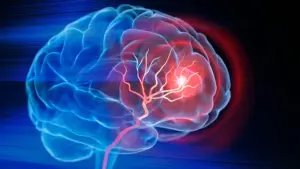
When an initial injury occurs, the brain generates a pain experience as a protective mechanism. It is a biological alarm system intended to motivate the individual to protect the injured area and facilitate healing. While this experience is undeniably unpleasant, it serves a clear, evolutionary purpose. However, in cases of chronic pain, this internal alarm system begins to malfunction. It becomes hypersensitive, continuing to broadcast warnings long after the physical threat has passed.
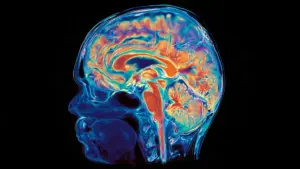
A critical point for patients to grasp is that all pain—whether acute or chronic—is ultimately produced by the brain. Acknowledging this is not the same as saying that pain is "all in your head" or that it is imaginary. Every instance of pain is entirely real and felt by the patient. Rather, recognizing the brain’s central role in interpreting and generating these signals provides a pathway to recovery: if the brain learned to produce chronic pain, it can also be taught to "unlearn" it through targeted retraining.
The brain does not perceive the world in an objective vacuum. Instead, it makes constant, calculated guesses about safety and danger based on a vast array of sensory and perceptual data. This includes physical signals sent from the nerves in the limbs, but it also encompasses thoughts, core beliefs, emotional states, social environments, and behavioral patterns. If the brain perceives the body as being under threat—whether through physical inactivity, social isolation, or catastrophic internal narratives—it is far more likely to trigger a pain response. Consequently, pain is not merely a biological phenomenon; it is deeply intertwined with psychological and social factors. The brain, effectively, becomes "too good" at protecting the body, ringing a warning bell in the absence of an actual intruder.
Evidence-Based Approaches to Retraining the Brain
The inherent plasticity of the brain means that the processes fueling chronic pain are not necessarily permanent. By utilizing specific, science-backed therapies, patients can begin to shift their nervous system away from a state of hyper-vigilance and toward a state of safety.
One of the most promising developments in this field is Pain Reprocessing Therapy (PRT). This approach is grounded in the reality that physical findings—such as a slipped disc or minor spinal degeneration—do not always correlate with the level of pain a person experiences. Many individuals live with significant structural changes in their spine yet feel no pain at all, suggesting that these physical markers are not always the primary drivers of discomfort. PRT focuses on challenging these inaccurate beliefs about the body’s fragility. Through a process known as safety reappraisal, participants learn to interpret their physical sensations as safe rather than dangerous. By recontextualizing pain not as a sign of impending tissue destruction, but as a byproduct of an oversensitive alarm system, patients can begin to reduce the intensity of their physical experience.
Alongside clinical therapies, mindfulness meditation has emerged as a powerful tool for managing chronic pain. A primary mechanism by which mindfulness helps is by decoupling the physical sensation from the emotional reaction. Chronic pain often triggers a cycle of "catastrophizing"—thinking patterns that include worries about work, future stability, or the hopelessness of the condition. These negative emotions and thoughts act as fuel for the nervous system, exacerbating the pain response. Mindfulness training encourages individuals to observe their sensations with an open, non-judgmental stance, preventing the emotional "enhancement" of pain that usually follows an increase in discomfort. By relating to pain through a lens of relative safety, the brain’s reactivity begins to diminish.
The Role of Positive Psychology and Holistic Recovery
Another vital component of recovery involves the application of positive psychology. When someone lives with constant pain, the brain naturally becomes fixated on the threat, often failing to notice the sources of safety, connection, and joy that remain present in daily life. Research indicates that actively nurturing positive emotions can actually trigger the body’s internal pharmacy, releasing natural painkillers that help regulate the nervous system.
A simple, effective practice for this is "savoring." This involves intentionally slowing down when experiencing something pleasant—such as the warmth of the sun, the presence of a pet, or the taste of a meal—and fully absorbing the sensory and emotional details of that moment. By actively directing the brain to focus on signals of safety and reward, individuals can begin to counteract the narrowing of their world that often accompanies chronic pain.
Recovery is rarely a linear process, and it often requires a departure from the habit of waiting for pain to vanish before resuming one’s life. Instead, experts emphasize that filling one’s life with meaningful activities, social connection, and physical movement—pacing these actions carefully in collaboration with a care team—is essential to the recovery process.
The journey toward overcoming chronic pain is as unique as the individual experiencing it. Because pain is a complex, biopsychosocial experience, the most effective path forward is a holistic one that integrates modern neuroscience with personalized support. Those seeking to move past their chronic pain are encouraged to remain persistent and to seek out mental health providers who specialize in chronic pain management. By moving from a state of threat to one of safety, the brain can be coaxed out of its protective, pain-producing patterns, ultimately allowing for a return to a more comfortable, active, and fulfilling life.