





For many, the morning walk is a ritual of physical maintenance—a way to shake off the lethargy of sleep, stretch the muscles, and clear the mind before the demands of the day take hold. For one writer and observer of the natural world, these daily excursions have long been a necessity for personal sanity and stamina. Without the rhythmic cadence of footsteps on pavement or forest trails, the author notes, their internal system inevitably feels out of sorts. However, a recent shift in perspective has transformed these mundane strolls into a deliberate, public practice of connection and reflection.
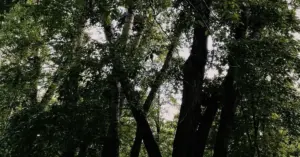
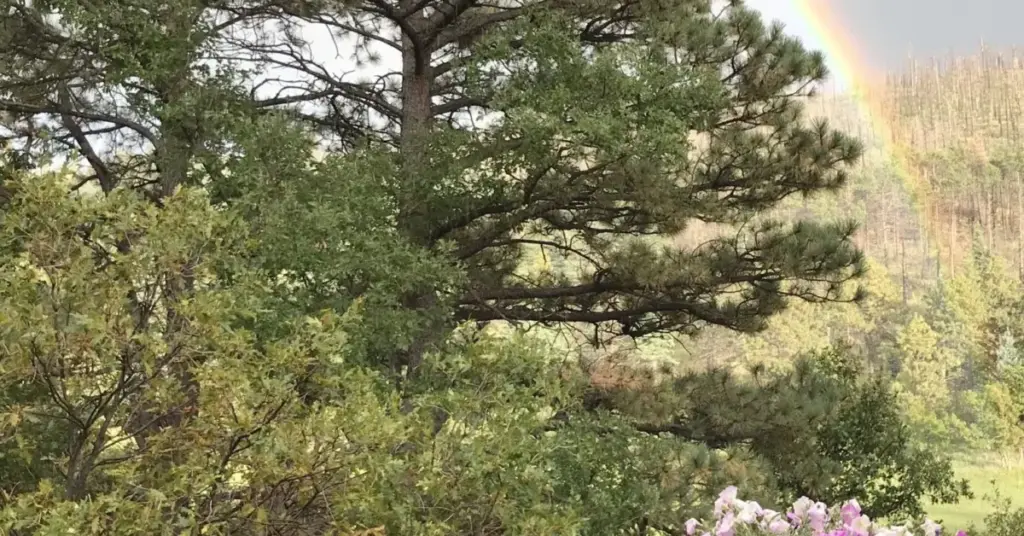
For years, this daily routine was documented on social media. Friends and followers on Facebook were treated to snapshots of neighborhood houses, the quiet surfaces of nearby ponds, and the resilient evergreens surrounding the author’s mountain cabin. The posts were simple, consistent, and bore the modest caption: “morning walk.” But a few months ago, a subtle yet profound change occurred. The caption evolved. It became: “morning prayer.”
This evolution did not emerge from a vacuum, but rather from a conversation that many are finding themselves having in the current sociopolitical climate. Over lunch with a friend, the two discussed the overwhelming weight of national events and the pervasive, often paralyzing, sense that individual acts of resistance are ultimately futile. The friend, visibly distraught by the state of the world, confessed, “I think all I have left is prayer.” It was a sentiment that resonated deeply with the author, who had been grappling with similar feelings of powerlessness. That shared moment of vulnerability served as the catalyst. The author decided to pivot, choosing to treat the act of capturing beauty in nature as an intentional act of prayer, and then sharing that experience with a digital community.

The transition, however, was not without hesitation. The author admits to a period of initial discomfort, fueled by the apprehension that such a declaration might be misinterpreted or perceived as eccentric. There is a lingering, unspoken rule in many progressive circles that spirituality should be kept private—a sort of “moral politeness” that encourages individuals to downplay their faith or spiritual inclinations in public spaces. Yet, the author notes that this apprehension felt increasingly at odds with reality. Many of their like-minded peers are, in fact, regular churchgoers who find their religious communities to be a foundational pillar of their lives.
The author’s own relationship with faith is complex and deeply rooted in a traditional upbringing. Having attended Catholic schools from the first grade through high school, the author spent years immersed in the rhythms of the Church. As a child, the daily routine often involved carrying a small, white leather prayer book—a habit that was eventually abandoned during the teenage years, when such outward displays of piety became, as the author puts it, “way too cool” to maintain. Despite the occasional daydreaming during Mass, the repetition of prayers provided a sense of meditation and structure that stayed with them.
While the author maintains a humble stance on their theological expertise—noting that they are wholly unqualified for formal debate despite years of institutional education—they credit the “holy women” in their life for broadening their understanding of what prayer can be. These mentors have demonstrated that prayer need not be confined to the rigid, formal scripts of a liturgy or the walls of a sanctuary. Rather, it is a fluid practice that can exist entirely outside of traditional religion. For the author, this is where the practice feels most authentic and powerful.
The digital manifestation of this practice began during the colder months, when the frost and biting temperatures made long walks difficult. Confined to a balcony, the author began by documenting the sunrise, finding in the monochromatic, frozen landscape a profound sense of awe—a reminder of something greater than themselves. These images were shared as morning prayers. As evening fell, the moon or the shifting sunset would be captured as an evening prayer.
As the seasons transitioned, the scope of the digital prayer book expanded. Spring brought the vibrant colors of irises, roses, and the tender, budding trees of the neighborhood. During times of particularly profound beauty, an “afternoon prayer” was added to the feed. Now, as autumn turns the foliage into gold, these images continue to serve as a visual, meditative shorthand for the author’s spiritual state.
The purpose of these posts is not to proselytize or to command others to join in a specific religious act. Instead, the author sees the images as an invitation—a space for them to pause, breathe, express gratitude, petition for guidance, or voice sorrow. If friends choose to join in that moment of reflection, the connection is welcomed. If they choose to scroll past, the integrity of the practice remains intact. The intent is simply to share what makes the author feel prayerful, offering a counter-narrative to the often aggressive and divisive content that dominates modern social media feeds.
In a world where religion has, at times, been used as a tool for division rather than unity, the author is acutely aware of the complexities of their chosen language. History is replete with examples of religious fervor leading to anything but virtue. Yet, the author maintains that the act of prayer itself is a universal human capacity, independent of institutional failings. The daily photographic documentation of nature’s beauty provides a simple, accessible reason to stop, take a breath, and offer thanks. It is a deliberate choice to inhale something life-affirming rather than the “venom” that so frequently clutters the digital landscape.
The impact of this practice was recently illustrated by a poignant interaction with a former student. After the author posted a photo of a flower, the student reached out to express her gratitude. The image, she explained, reminded her deeply of her mother, who had passed away two years prior. The two engaged in a meaningful, late-night conversation, reconnecting over the shared loss and the comfort found in the small, quiet beauty of the photograph.
For the author, that interaction was not merely a social media exchange; it was an answered prayer. It solidified the belief that these digital moments could serve as a bridge, fostering connection and healing in a way that goes beyond the screen. That night, the author went to sleep holding the memory of a beloved mother, the image of a peony, and the appreciation for a treasured student.
The following morning, when the temptation to remain in bed and embrace a lazy start was strong, the memory of that connection provided the necessary momentum. The author rose, dressed, and headed to the park, phone in hand, ready to begin the search for the day’s next prayer.