





In a landmark display of regional solidarity and commitment to global health security, 14 African nations and a coalition of prominent international partners have pledged over US$ 45 million to the World Health Organization (WHO) Investment Round. This historic financial commitment, unveiled during the WHO Regional Committee for Africa, marks a pivotal moment in the organization’s ongoing effort to transition toward a model of sustainable, flexible, and predictable financing. As the global health landscape grows increasingly complex, the contributions from these African leaders underscore a shared recognition that a robust, well-funded WHO is the cornerstone of a resilient international health architecture.
The Investment Round, a strategic initiative launched just three months ago, represents a fundamental shift in how the WHO intends to conduct its core operations over the next four years. By moving away from fragmented, earmarked funding, the organization aims to secure the resources necessary to act swiftly and decisively in the face of emerging health crises while continuing the long-term work of strengthening national health systems.
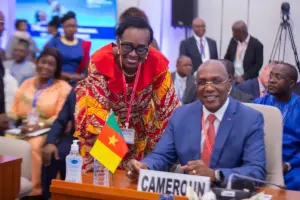
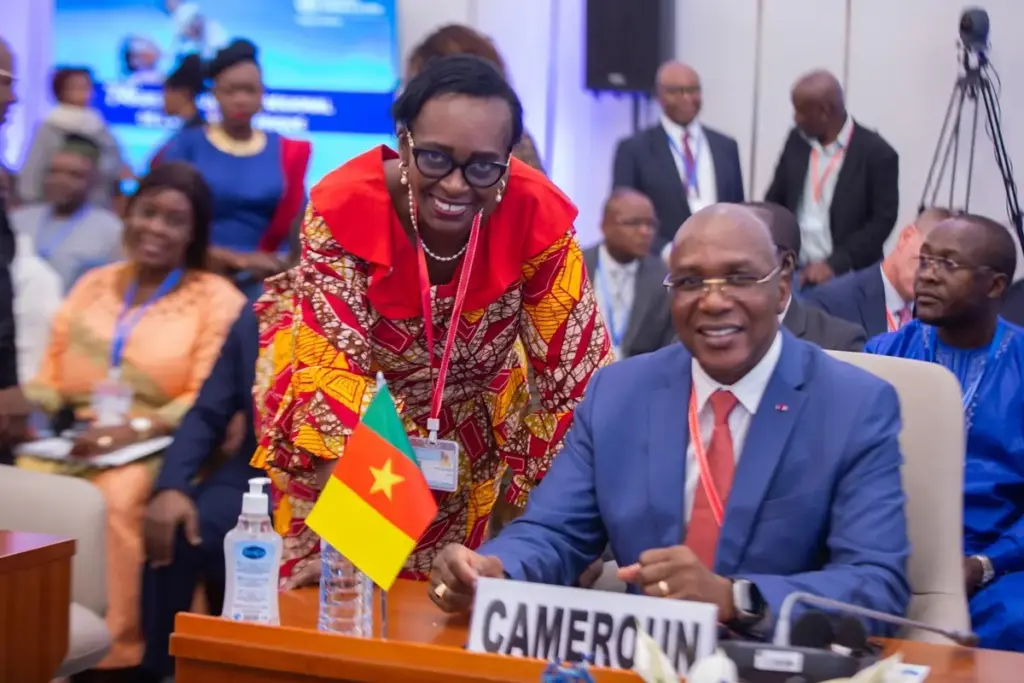
During the Regional Committee proceedings, heads of state and government from across the African continent articulated a clear vision: that investing in the WHO is not merely a bureaucratic exercise, but a direct investment in the health, prosperity, and stability of their own populations. This consensus among the 14 nations highlights a growing sense of agency among African countries, which are increasingly positioning themselves as proactive shapers of global health policy rather than passive recipients of international aid.
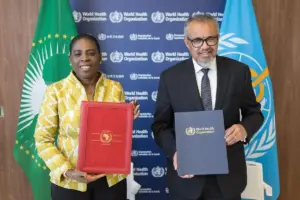
Dr. Tedros Adhanom Ghebreyesus, the Director-General of the World Health Organization, expressed his profound gratitude for the support demonstrated by the African Region Member States. Speaking on the significance of the event, Dr. Tedros emphasized that the mobilization of predictable and flexible resources is the vital fuel required to power the organization’s core mandate.
"I thank our African Region Member States for actively supporting WHO’s first Investment Round to mobilize predictable and flexible resources needed for our core work over the next four years," Dr. Tedros stated. He further noted that the attainment of full, sustainable funding would fundamentally change the organization’s operational capacity, enabling the WHO to provide more meaningful, long-term support to member nations. "Full, sustainable funding will enable WHO to support countries better in their work to build healthier, more resilient, and more prosperous populations," he added, framing the financial commitment as a direct precursor to tangible improvements in public health outcomes.
The participating nations represent a diverse cross-section of the continent, reflecting the broad-based appeal of the initiative. The countries contributing to this initial wave of support include Botswana, Cabo Verde, Chad, Congo, Ethiopia, Gambia, Mauritius, Namibia, Niger, Rwanda, Senegal, Seychelles, South Africa, and the United Republic of Tanzania. Their collective action serves as a powerful signal to the rest of the international community that the path toward global health equity must be paved with tangible, predictable commitments from all regions.
The significance of this support extends beyond the funds themselves; it represents a reaffirmation of the multilateral system. In an era where international cooperation is often tested by geopolitical pressures, the commitment of these African nations highlights a resilient belief in the necessity of a central, coordinating body capable of promoting, providing, and protecting health for all. By funding the WHO, these countries are ensuring that the organization can effectively fulfill its mandate to serve as the world’s leading authority on health, capable of navigating the complexities of modern disease prevention, pandemic preparedness, and the promotion of universal health coverage.
The event was bolstered by a significant array of partners who joined the Member States in their pledge. These organizations, which span the realms of private philanthropy, corporate social responsibility, and multilateral development finance, have committed to providing their support throughout the remainder of the year. The list of partners includes the Helmsley Charitable Trust, the World Diabetes Foundation, the pharmaceutical giant Roche, the Kuwait Fund for Arab Economic Development, the Bill & Melinda Gates Foundation, the African Development Bank, and the WHO Foundation. The involvement of such diverse stakeholders underscores the widespread recognition that the WHO’s stability is a global public good that requires a multifaceted approach to financing.
Dr. Matshidiso Moeti, the WHO Regional Director for Africa, provided context on why this financial stability is particularly crucial for the continent. Dr. Moeti highlighted the unique, multi-layered health challenges currently facing the region—from the lingering impact of infectious diseases to the rising burden of non-communicable illnesses and the ever-present threat of climate-sensitive health crises.
"A strong, predictable and sustainably financed WHO is essential for our region and the world to meet the multiple health threats we face; and support the prevention of disease based on the vast evidence at our disposal," Dr. Moeti observed. For the African region, the WHO serves as a primary source of technical expertise and policy guidance. A well-funded WHO ensures that this expertise remains accessible and that the organization can continue to champion evidence-based interventions. "Every pledge and every partnership counts. Together, we can achieve a future where health and well-being are accessible to all," she added.
The WHO Investment Round is not a one-time event but a sustained, multi-month effort that will feature a series of pledging moments across various global forums. These moments are designed to maintain momentum and broaden the base of support for the organization’s 2025–2028 budget cycle. The structure of the Investment Round is specifically designed to address the historic challenges of WHO financing, which has traditionally been characterized by a heavy reliance on voluntary, restricted contributions. This often forced the organization to prioritize short-term, donor-driven projects over long-term strategic objectives.
The new model, which was formally launched at the World Health Assembly in May 2024, seeks to transform this dynamic by encouraging contributions that are flexible. By aligning funds with the WHO’s strategy as approved by its Member States, the organization can avoid the pitfalls of fragmented programming. Furthermore, the goal of providing funding at the start of the four-year budget cycle allows for improved strategic planning, enabling the WHO to allocate resources where they are most urgently needed rather than where funds happen to be available. Finally, by diversifying the donor base—as evidenced by the mix of African nations, private foundations, and development banks involved in this latest round—the WHO hopes to build a more resilient financial foundation that can withstand the economic volatility that often impacts global development aid.
As the Investment Round continues into the coming months, the focus will remain on securing the remaining balance of the required resources. The success seen during the Regional Committee for Africa provides a template for other regions to follow. By demonstrating that even nations currently managing their own domestic health challenges see the value in investing in a global architecture, the African leaders have set a standard for international cooperation.
For the WHO, the road ahead involves translating these financial commitments into operational results. The organization faces the daunting task of managing the global response to chronic health disparities while remaining ready to combat sudden, high-impact outbreaks. The $45 million committed by these African partners, combined with the pledges from international organizations, serves as a vital down payment on a more secure future. It is a testament to the idea that when countries work in concert, they can build the necessary infrastructure to safeguard the health of their citizens, ultimately fostering a world that is better equipped to handle the health challenges of the 21st century.
The initiative serves as a reminder that health is the fundamental bedrock of social and economic progress. As the Investment Round moves forward, the international community will be watching closely to see if this momentum can be sustained, potentially ushering in a new era of fiscal health for the institution that remains the primary guardian of global public health. With the commitments made by these 14 nations, the WHO enters the next phase of its mission with renewed support and a clearer path toward achieving its ambitious, yet essential, goals for global well-being.