






GENEVA / DILI — In a monumental public health milestone for a young nation, the World Health Organization (WHO) has officially certified Timor-Leste as a malaria-free country. The landmark achievement marks the culmination of a rigorous, two-decade-long national campaign that began shortly after the country restored its independence in 2002, transforming a devastating public health crisis into a resounding victory for community resilience, political commitment, and medical dedication.
The formal announcement places Timor-Leste into an elite group of global health achievers. With this certification, a total of 47 countries and one territory worldwide have now been officially recognized by the WHO as having eliminated the disease. Within the WHO South-East Asia region, Timor-Leste stands proudly as the third nation to secure this designation, following in the footsteps of the Maldives and Sri Lanka, which achieved the status in 2015 and 2016, respectively.
WHO Director-General Dr. Tedros Adhanom Ghebreyesus offered high praise for the nation’s leadership and citizens during the announcement.
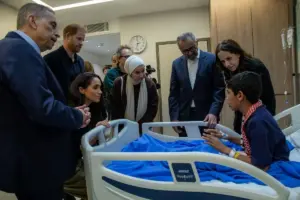
"WHO congratulates the people and government of Timor-Leste on this significant milestone," said Dr. Tedros. "Timor-Leste’s success proves that malaria can be stopped in its tracks when strong political will, smart interventions, sustained domestic and external investment, and dedicated health workers unite."
Under international public health standards, a nation is awarded malaria-free certification only after it has proven, beyond a reasonable doubt, that the chain of indigenous malaria transmission has been successfully interrupted nationwide for at least the previous three consecutive years. For Timor-Leste, crossing this finish line represents the defeat of one of its most persistent and historically destructive modern health threats.
A Rapid Shift from High Burden Country to Malaria-Free
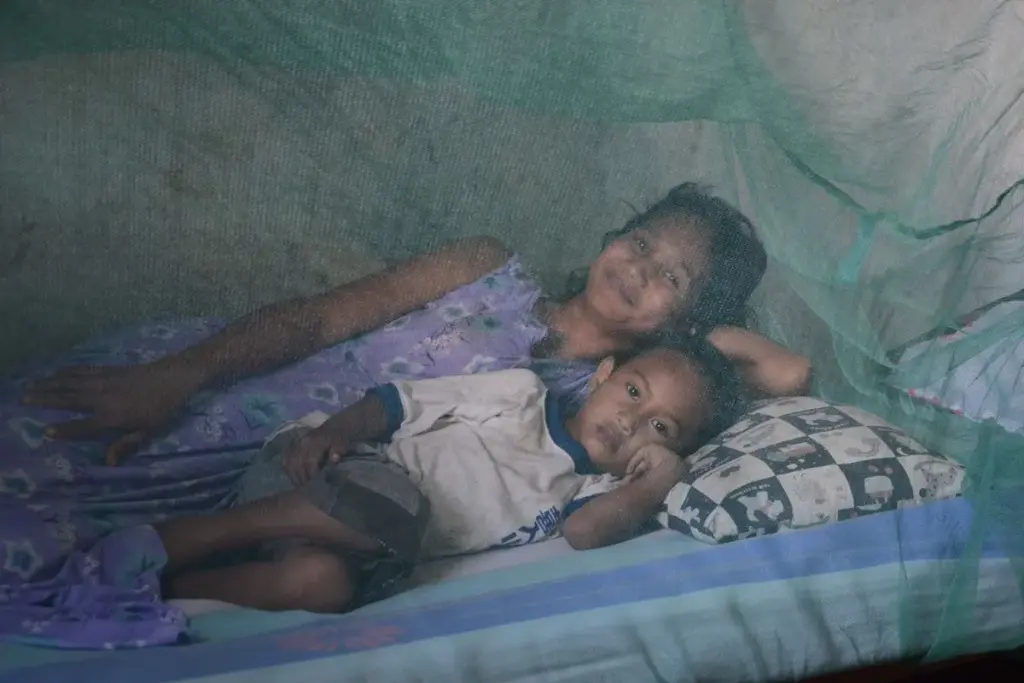
The journey to malaria elimination required turning the tide against staggering odds. In the wake of independence, the newly established nation faced a severe health landscape dominated by infectious diseases. Malaria was a pervasive and terrifying reality for families across the island nation, peaking at more than 223,000 clinically diagnosed cases in 2006 alone. Through a relentless, methodical response, public health authorities systematically drove those numbers downward, eventually recording zero indigenous cases from 2021 onward.
The foundation for this historic turnaround was laid swiftly by the Ministry of Health. In 2003, just one year after gaining independence, the government established the National Malaria Programme. Created as a dedicated operational body for planning, implementing, and monitoring malaria control efforts across the entire country, the initiative initially relied on a core team of only two full-time officers. Despite limited resources, these early leaders established robust technical frameworks, maintained strict managerial oversight, and paid close attention to operational details that would eventually yield massive dividends.
As the program matured in the mid-2000s, Timor-Leste aggressively modernised its clinical protocols. The country introduced rapid diagnostic tests (RDTs) and artemisinin-based combination therapies (ACTs) as core components of the National Malaria Treatment Guidelines. Concurrently, health authorities initiated large-scale distribution campaigns to provide free long-lasting insecticide-treated nets (LLINs) to communities deemed most vulnerable to the vector-borne illness.
A significant acceleration occurred in 2009. Bolstered by critical financial and technical support from the Global Fund to Fight AIDS, Tuberculosis and Malaria, Timor-Leste massively scaled up its nationwide vector control operations. This expansion featured widespread distribution of insecticide-treated nets alongside targeted indoor residual spraying (IRS) programs in high-risk zones. At the same time, diagnostic capabilities were dramatically improved by embedding microscopy and rapid diagnostic tests directly at the point of care across all local health posts, ensuring that patients could be tested and diagnosed rapidly without facing prohibitive travel burdens.
Overcoming systemic barriers was critical to the campaign’s success. Facing acute shortages of trained health workers and medical doctors, the government made deliberate investments to strengthen its three-tier healthcare delivery system. This network—comprising national hospitals, reference hospitals, community health centers, and localized health posts—was systematically engineered to ensure that the vast majority of residents could access essential care within an hour’s walk.
To eliminate financial barriers to care, the government implemented policies providing free healthcare services at the point of delivery under a universal health coverage framework. In geographically isolated and rural regions, monthly mobile clinics and dedicated community outreach programs bridged the gap, ensuring that even the most remote populations remained protected and monitored.
The human element of this triumph was visibly echoed by national leaders and health advocates who lived through the darkest years of the epidemic.
"We did it. Malaria has been one of our most relentless enemies—silent, persistent, and deadly. We lost too many lives to a disease that should be preventable," said Dr. Élia António de Araújo dos Reis Amaral, Minister of Health for the Government of Timor-Leste. "But our health workers never gave up, our communities held strong, and our partners, like WHO, walked beside us. From 223,000 cases to zero—this elimination honours every life lost and every life now saved. We must safeguard this victory with continued vigilance and community action to prevent malaria’s re-entry."
Sustaining the Triumph Through Vigilance and Collaboration
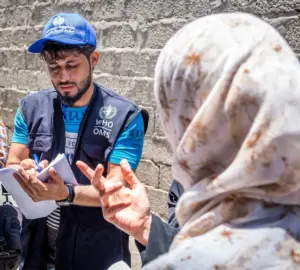
Behind the scenes, the mechanics of elimination relied heavily on modern data infrastructure and cross-sector partnerships. Timor-Leste successfully integrated a real-time, case-based surveillance system that allowed health authorities to collect data rapidly and mount immediate localized responses to any suspected anomalies. Highly trained health workers became the frontline defense, ensuring meticulous detection, screening, and management of potential malaria cases, particularly at international borders where imported cases posed a constant threat of reintroduction.
This multifaceted strategy demonstrated the profound power of localized leadership combined with international solidarity. The Ministry of Health worked hand-in-hand with the WHO, local communities, non-governmental organisations, international donors, and various government sectors to create an impenetrable shield against the disease.
Dr. Arvind Mathur, WHO Representative to Timor-Leste, emphasized the grit and determination required for a young nation to achieve such an ambitious goal.
"Timor-Leste’s malaria-free certification is a defining national triumph—driven by bold leadership, the tireless efforts of health workers, and the resolve of its people," Dr. Mathur said. "As a young nation, Timor-Leste stayed focused—testing, treating, and investigating swiftly. Ending transmission and maintaining zero deaths takes more than science; it takes grit. This victory protects generations, present and future, and shows what a determined country can achieve."
With the official certification now secured, the focus in Timor-Leste shifts toward post-elimination surveillance and maintaining absolute vigilance. Public health officials stressed that the country will maintain its robust community outreach, border screening, and real-time reporting mechanisms to ensure that malaria never regains a foothold on the island, safeguarding the health and prosperity of future generations.