






For speech-language pathologists, educators, and parents alike, few challenges in the realm of articulation therapy are as persistent or as notoriously difficult as the /r/ sound. It is frequently cited as one of the most complex phonemes to remediate, often requiring months, if not years, of dedicated practice. The difficulty stems from a fundamental anatomical and physiological reality: the /r/ sound is uniquely challenging to teach because it is fundamentally "invisible." Unlike a /p/ or a /b/, where the lips clearly meet, or a /t/ or /d/, where the tongue’s interaction with the alveolar ridge is somewhat perceptible, the /r/ sound is produced deep within the oral cavity. This makes it exceptionally hard for a child or teen to visualize, let alone replicate, the precise, nuanced movements required by the tongue and surrounding articulators.
The struggle to master the /r/ sound is not merely a matter of repetition; it is a matter of spatial awareness and motor control. Because the sound is formed by complex configurations—involving the elevation, bunching, or retroflexing of the tongue—the internal "landscape" of the mouth must be navigated with a level of precision that many young learners have not yet mastered. When a student cannot see what they are supposed to be doing, the process of trial and error can become frustrating, leading to a breakdown in motivation and a potential plateau in progress. As professionals in the field of speech-language pathology continue to search for the most effective pedagogical tools, the conversation has shifted toward the importance of systematic elicitation as the bedrock of successful intervention.
The core of effective therapy, according to modern clinical standards, lies in a strategic focus on elicitation. Before any speech-language pathologist or parent can reasonably expect a student to incorporate the /r/ sound into daily conversation, phrases, or even single words, the sound must first be isolated and solidified. This phase of the therapeutic process, known as elicitation, is the critical window during which the child or teen discovers how to physically manipulate their articulators to produce a "good, solid" /r/ sound in isolation. Without this foundational success, attempting to build complexity—such as moving into the "r-controlled" vowels or complex clusters—often proves futile, as the child is essentially practicing an incorrect motor pattern.
The process of elicitation is essentially an act of discovery. It requires the therapist to act as a guide, helping the learner map out the terrain of their own mouth. Because the /r/ sound can be produced in several ways—often categorized by the position of the tongue, such as the "bunched" or "retroflex" methods—what works for one student may not be the optimal approach for another. This variability is precisely why the field of speech therapy has moved toward more diverse, multi-modal strategies for elicitation. By providing students with a variety of sensory cues—whether through visual modeling, tactile feedback, or specific verbal instructions—therapists can help bridge the gap between the abstract concept of a sound and the concrete physical reality of producing it.
In recent discussions regarding these clinical techniques, experts have emphasized the need for a comprehensive toolkit that moves beyond traditional rote drilling. The goal is to create a dynamic environment where the student can experiment with their tongue placement in a low-pressure, high-feedback setting. This is where the visual element of instruction becomes paramount. By utilizing high-quality, illustrative media, such as instructional videos that break down the anatomy of the sound, therapists can provide the visual scaffolding that the natural anatomy of the mouth lacks. These visual aids serve as a surrogate for the "invisible" nature of the sound, giving the learner a concrete image of what their tongue should be doing during the production of the phoneme.
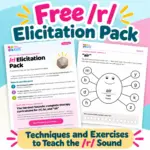
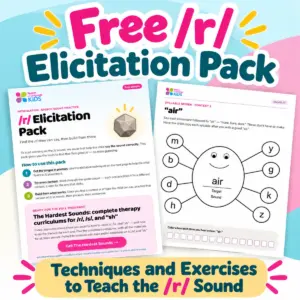
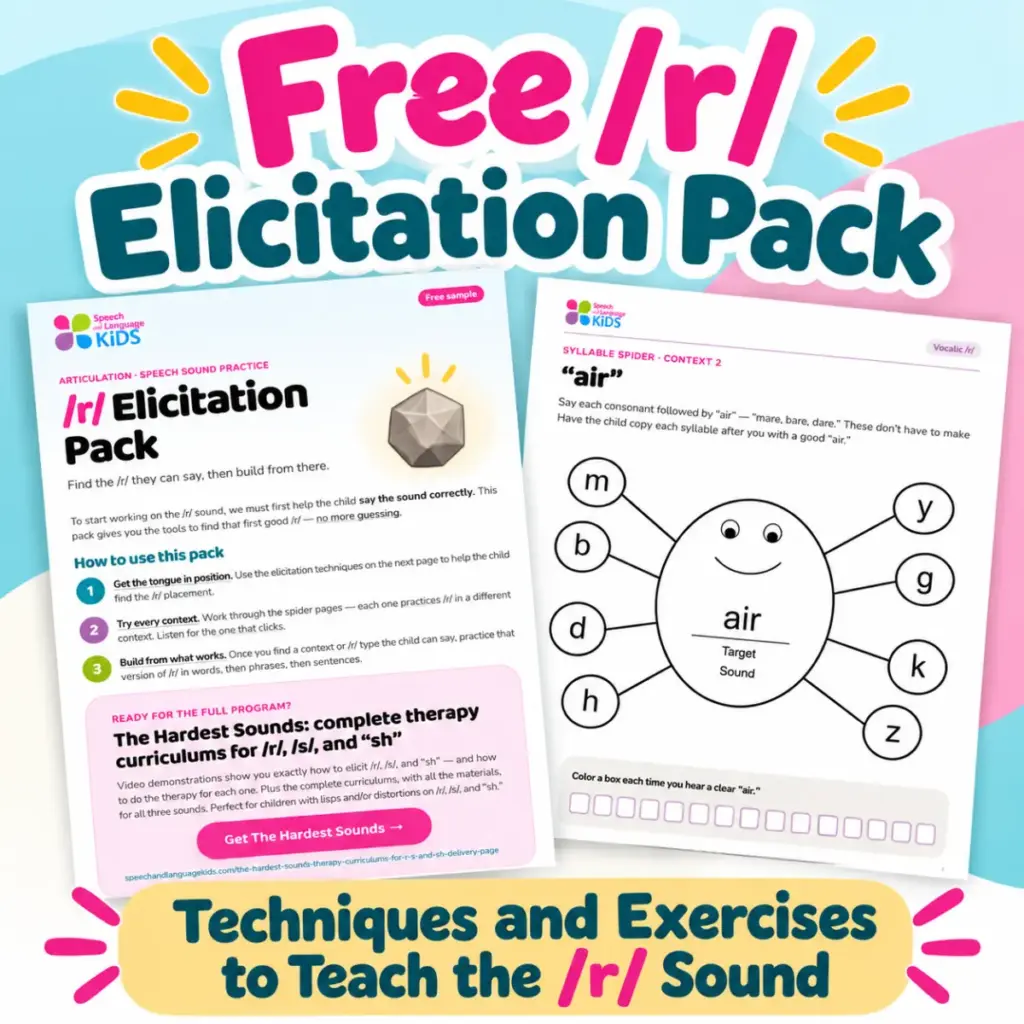
The pedagogical evolution in this area is well-represented in the latest instructional resources now available to the professional community. One such resource, an /r/ Elicitation Pack, has gained attention for its focus on providing a structured yet flexible array of techniques and exercises specifically designed to establish the /r/ sound from the ground up. Such packs are intended to function not as a rigid manual, but as a flexible framework that allows therapists to pivot between strategies if one approach fails to resonate with a particular student. This adaptability is crucial; the neurological and physical development of a child can drastically change how they respond to different prompts. A strategy that relies on tongue-tip elevation might be instantly successful for one student, while another might find success only through a "bunching" technique that focuses on the back of the tongue.
As we look at the broader implications of these techniques, it becomes clear that the success of speech therapy is inextricably linked to the early stages of intervention. The "elicitation-first" approach is a departure from older methods that often rushed into word-level practice too early. By taking the time to truly isolate the sound, therapists are effectively setting the stage for long-term retention. When a child finally "finds" their /r/ sound—that moment of clarity when the resonance suddenly clicks into place—it provides a psychological boost that is often the turning point in therapy. This success in isolation builds the confidence necessary for the student to then tackle the more arduous task of generalizing the sound into their everyday speech.
The role of the educator or the parent in this process is also significant. While speech-language pathologists lead the intervention, the ability for a student to succeed often hinges on the consistency of the practice they receive outside of the clinic. The availability of clear, actionable techniques for home use empowers parents to support their children in a way that is scientifically grounded rather than purely intuitive. When parents have access to clear guidelines and exercises, they become an extension of the therapy process, ensuring that the foundational work done during the elicitation phase is reinforced consistently.
In the context of the current clinical landscape, the push toward more refined elicitation techniques also reflects a deeper understanding of motor learning principles. We now know that the brain learns motor tasks more effectively when it is given varied, meaningful feedback. The modern focus on the /r/ sound is a perfect example of this: by using a variety of exercises to "feel" the sound, the student is essentially training their brain to recognize the specific proprioceptive feedback that accompanies a correct /r/. This is a move away from the idea that the child simply needs to "try harder" and toward a model that suggests the child needs to "try differently."
As practitioners refine their approach to these tricky articulations, the focus remains on the individual. The /r/ sound, for all its notoriety, is ultimately a test of the therapist’s ability to communicate complex physical movements in a way that is accessible to the child. Whether through the use of specific, targeted elicitation packs or through the integration of digital media that demonstrates the mechanics of speech, the goal remains the same: to provide the student with the key to unlock the sound. By prioritizing the elicitation phase and ensuring that the foundation is robust, the speech therapy process becomes not only more effective but also significantly less frustrating for the student, paving the way for improved communication and greater confidence in their ability to speak clearly and naturally. As these methods continue to be integrated into standard practice, the barrier that the /r/ sound once presented is steadily being lowered, making the path to clear speech more attainable for students across the board.