









Throughout a long career in psychotherapy, clinicians often encounter a hauntingly consistent refrain from those seeking change. Patients will articulate a desperate desire to move past their struggles, yet they simultaneously voice an existential dread: "Who would I even be without my anxiety, my depression, or my trauma?" This question is not merely a rhetorical flourish; it is a profound testament to the deeply embedded nature of human identity. Many individuals have spent a lifetime crafting a self-concept inextricably linked to their suffering. To let go of the pain, they fear, is to lose the very foundation of who they are.
This phenomenon is far more common than most realize. It suggests that our internal narratives—even those that cause us significant distress—provide a sense of stability and predictability. When an individual has lived with a certain emotional baseline for years, the prospect of operating outside that framework can feel like stepping into a void. It is a psychological paradox: the very state of being that an individual wishes to escape is the same state that provides them with a familiar, albeit painful, sense of self.
This internal struggle often manifests in the way we process memory. Many people find themselves trapped in loops where traumatic events or past negative experiences replay in their minds with the persistence of a favorite tune. These cognitive intrusions are not just random; they are often the mechanisms by which we maintain our identity. We return to these memories because they are the markers of our history, reinforcing the internal story we tell ourselves about who we are and what we have endured.

However, the field of psychology is increasingly finding that the key to breaking this cycle lies in the intentional shift of focus toward the present moment. Modern research suggests that by cultivating "present moment awareness," individuals can effectively detach their attention from the triggers and traumas of the past.
A significant study conducted by the U.S. Department of Veterans Affairs highlights the potential of this approach. The research concluded that the relationship between lifetime trauma burden and various mental health issues—particularly those relevant to the veteran population—may be mediated by mindfulness. The ability to direct one’s attention to the immediate present serves as a buffer, preventing the mind from descending into the well-worn grooves of past distress.
The question then becomes how one actually achieves this state of presence and silences the "unfriendly songs" that play on a loop. While the concept might seem simple, the practical application is a rigorous exercise in cognitive retraining. It is an endeavor that might sound akin to a lighthearted riddle about changing a lightbulb, but the implications are profoundly serious. Moving away from the past and into the present is a skill, and like any other skill, it requires deliberate practice.
Present Moment Awareness Rewires the Brain
The application of present-moment awareness is rapidly becoming a cornerstone of modern therapeutic practice. Mindfulness-Based Exposure Therapy is one such development, currently being utilized with combat veterans to treat the lingering effects of high-stress environments. In these settings, clinicians teach individuals to actively redirect their awareness away from rumination. When a veteran begins to spiral into memories of the past, they are guided back to the current environment, where they can acknowledge their objective safety and re-engage with their immediate surroundings. This process does not ignore the past, but it stops the past from hijacking the present.
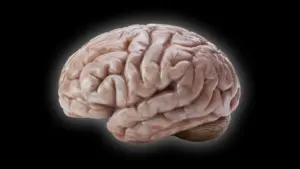
The scientific mechanism behind this is compelling. Learning to reside in the present moment is not just a philosophical shift; it is a neurological one. It strengthens the brain’s prefrontal cortex, a region often referred to as the "Reflect and Relate" module. This area of the brain is responsible for executive functions, including decision-making, emotional regulation, and the ability to pause before reacting.
When an individual consistently practices presence, they are essentially performing a workout for the neural circuitry that allows for higher-order thinking. Instead of defaulting to the amygdala-driven "react and get stressed" system, which is designed for immediate survival but often misfires in the modern world, the individual begins to rely on the more sophisticated, thoughtful pathways of the prefrontal cortex. This is a fundamental rewiring of how the brain manages incoming information.
By practicing presence, one effectively upgrades the brain’s ability to pause, analyze, and respond rather than merely reacting to the stressors of the day. This shift is critical because it changes the individual’s relationship with their own internal environment. The goal is to move from a state of being "owned" by one’s thoughts to a state of being an observer of one’s thoughts.
As one begins to integrate these practices into daily life, the results often extend beyond the clinical setting. The individual starts to notice a subtle shift in their day-to-day existence. Whether they are driving a car, waiting in a line at a grocery store, or performing mundane household chores, they begin to savor the richness of the immediate experience. The world, previously filtered through the lens of anxiety or past trauma, begins to look different. The "little and astounding things" that were once ignored in favor of internal rumination become visible.
Ultimately, the process of cultivating presence is an ongoing journey. It is not a destination at which one arrives once and for all, but a discipline maintained through consistency. Every time a person recognizes the onset of a negative loop and chooses to pull their focus back to the sensation of their feet on the ground, the sound of their own breath, or the visual details of their current surroundings, they are engaging in the work of self-transformation.
This work is particularly vital for those who have spent years defining themselves by their struggles. By choosing to step out of the identity of the "traumatized" or the "anxious" and into the identity of the "present," an individual opens up the possibility for a new narrative. They realize that they are not the sum total of their past misfortunes, but a conscious agent capable of inhabiting the only time that truly exists: the here and now. This shift does not erase the past, but it fundamentally alters its power, allowing the individual to finally move forward into a life defined by their own conscious choices rather than their historical conditioning.