






As the summer excitement fades and crisp, autumn days settle across the country, school-based occupational therapists are rolling out seasonal curriculums designed to help students transition back to the classroom. Leading the charge for early autumn learning is a comprehensive slate of apple-themed activities utilized by practitioners to address everything from fine motor skills and sensory regulation to executive functioning and social-emotional development.
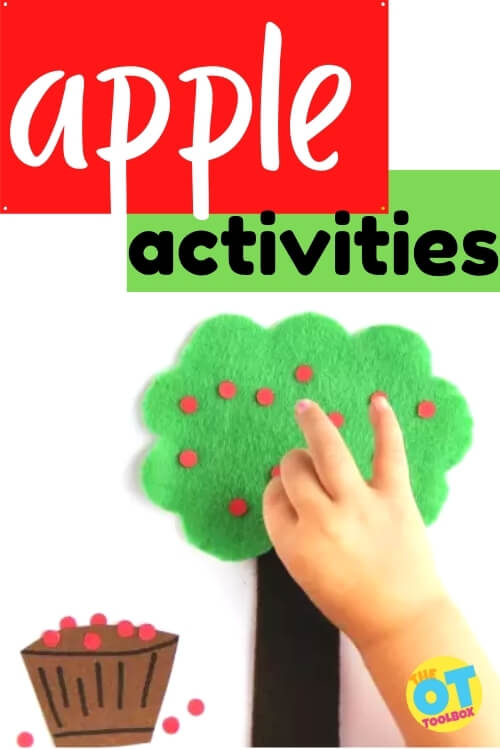
For therapists setting up sessions in September, the shift toward fall-themed modules provides an engaging, hands-on framework to evaluate and support students across entire school-based caseloads. By utilizing digital dashboards and curated resource libraries like The OT Toolbox Membership, professionals can quickly sort and print specialized materials tailored to specific developmental goals. From geoboard exercises and directed drawing to scissors practice and pattern recognition sheets, the classic apple theme offers a versatile foundation for pediatric therapy.
Practitioners note that the transition back to school often highlights varying developmental needs among students. Fall-themed interventions allow therapists to address core therapeutic targets in a natural, cohesive manner. Whether a child is working on fine motor precision, pencil grasp, scissor skills, self-regulation, or spatial awareness, seasonal programming provides familiar and motivating contexts for skill acquisition.
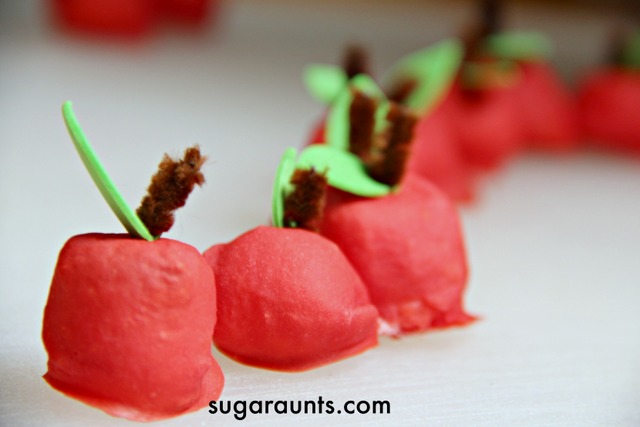
At the heart of many autumn therapy programs are sensory-based interventions, which offer crucial tactile and proprioceptive input. Therapists frequently incorporate tactile projects such as baked cotton ball apples, which provide heavy work through the hands, promoting sensory integration alongside fine motor manipulation. Similarly, apple-cinnamon sensory bins allow students to interact with new textures while simultaneously targeting visual-spatial skills. By embedding hidden magnet letters within these bins to spell out specific words, children struggling with shape constancy and letter reversals receive tangible, tactile reinforcement that aids cognitive memory.
Advanced sensory media, such as applesauce-infused oobleck, introduce alternative olfactory and tactile experiences that help address hyper- or hyposensitivity in students. Beyond sensory regulation, these messy play activities serve as effective vehicles for targeting attention span, sequencing, and multi-step direction following. When combined with guided discussions, such mediums can also function as supportive adjuncts to socio-emotional interventions.

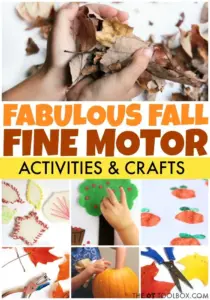
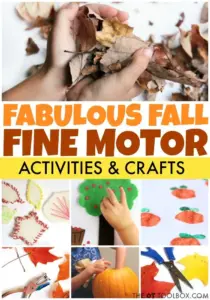
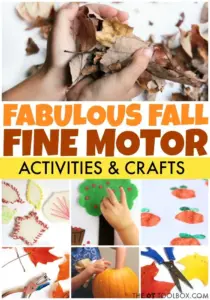
Fine motor development remains a primary focus during early autumn sessions, as therapists prepare children for essential functional tasks like handwriting, clothing independence, and cutting. Multi-sensory math activities utilizing apple motifs help build finger strength and dexterity. Meanwhile, traditional crafts, such as stamping paint with recycled toilet paper rolls or engaging in apple pointillism using standard hole punches, offer engaging ways to strengthen intrinsic hand muscles, encourage pincer and tripod grasps, and promote bilateral coordination and crossing the midline.
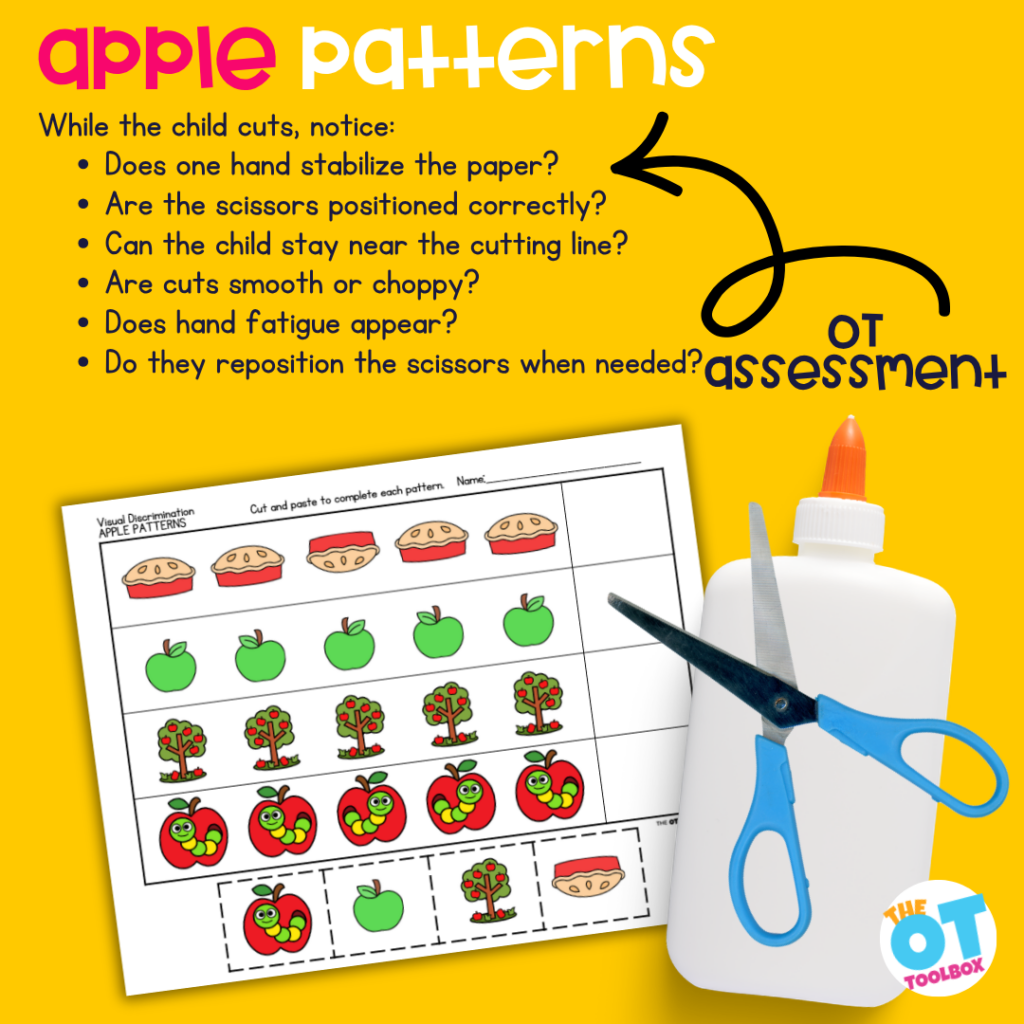
Scissors skills assessment is another critical component of early-year evaluations. Therapists frequently utilize apple-themed pattern worksheets during initial autumn sessions to observe how students approach cutting tasks. By monitoring factors such as paper stabilization, hand placement, thumb positioning, and cutting accuracy, practitioners can gather vital baseline data for student screening tools and educational notes at the start of the new academic year.

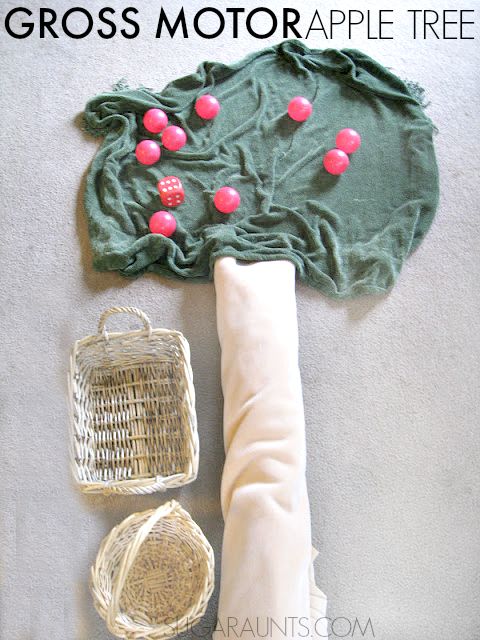
In addition to fine and sensory motor tasks, autumn curriculums place significant emphasis on gross motor development. Gross motor activities are essential for building core strength, endurance, balance, postural stability, and motor planning. Indoor balance beams customized with apple themes provide critical vestibular and proprioceptive input, while movement-based brain breaks help students manage self-regulation through whole-body action. Literature-based movement exercises, inspired by classic children’s stories like Dr. Seuss’s "Ten Apples Up on Top," encourage children to imitate animal movements or balance felt props on their heads to improve coordination and postural control.
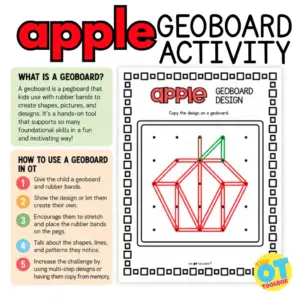
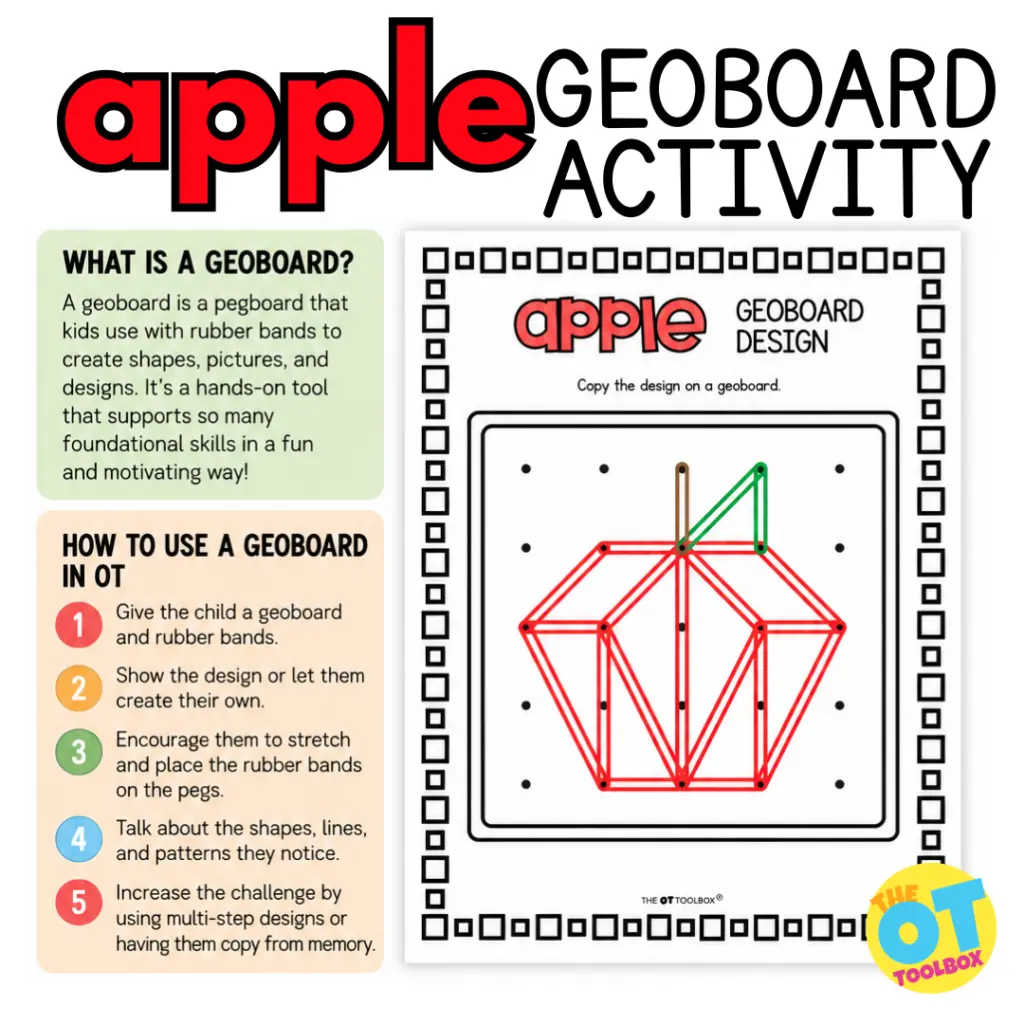
Visual perception and executive functioning are similarly woven into the apple-themed framework. Activities utilizing geometric shapes, tangram patterns, and Lego brick building encourage visual discrimination, form constancy, visual closure, and spatial awareness. Printable geoboards featuring apple designs require students to replicate visual patterns using rubber bands, supplying finger resistance while challenging spatial reasoning and motor planning. Therapists can easily grade these activities up or down, adapting tasks from partial designs to memory-based reproductions or incorporating supplementary handwriting prompts.
Executive functioning skills are naturally integrated through cooking and constructive play. Salt dough preparation offers a multi-step sensory and fine motor experience that requires planning, attention, and working memory. Storybooks detailing the life cycle of apple trees further support sequencing and cognitive focus, while hands-on spelling games using red apple cups provide interactive avenues for letter recognition and word building.
Handwriting interventions are seamlessly paired with these cognitive and motor tasks. Depending on a student’s developmental level, writing prompts range from single-word identification for beginning writers to complete sentences for developing students, and multi-step descriptive essays detailing the life cycle of an apple for older children. These structured writing exercises encourage higher-order executive functioning, allowing students to brainstorm, organize, write, and edit their work within a cohesive seasonal theme.
As school districts continue to implement these multifaceted autumn programs, professionals emphasize the importance of individualized and meaningful treatment. Sydney Thorson, an occupational therapist with a background in human development and family studies who works in school-based practice, notes that seasonal frameworks provide an effective springboard for addressing unique student needs. By blending structured developmental targets with familiar autumn motifs, educators and therapists alike can ensure students are well-supported as they navigate the new academic year.