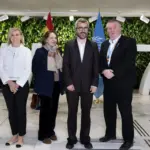



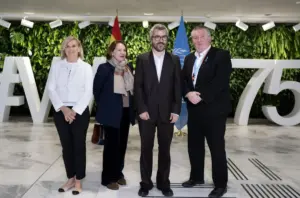

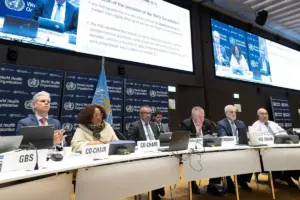



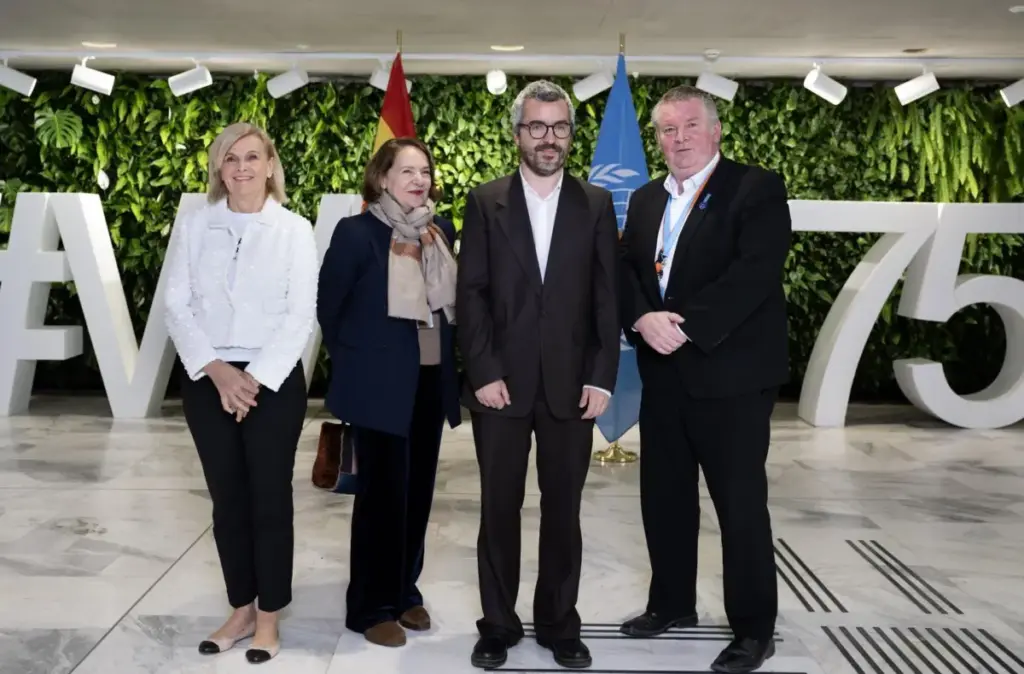
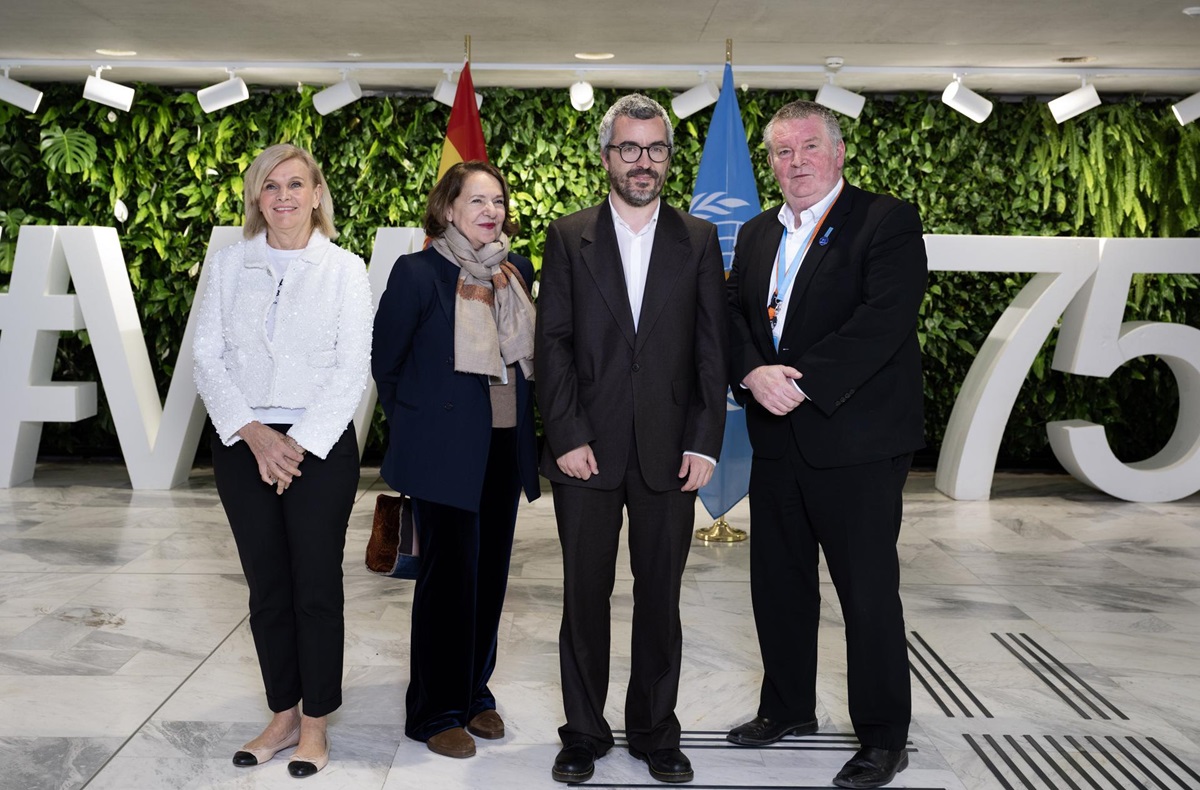
The World Health Organization (WHO) hosted a high-level delegation from Spain on April 23 and 24, 2024, marking a significant milestone in the ongoing collaboration between the international health body and one of its most dedicated member states. Mr. Javier Padilla Bernáldez, Spain’s Secretary of State for Health, led the delegation to Geneva for a series of strategic discussions aimed at refining joint global health priorities and reinforcing the structural foundations of international health security.
The visit served as a platform to address an expansive agenda, reflecting the breadth of Spain’s commitment to global health. Among the key topics discussed were the critical pillars of universal health coverage (UHC) and the strengthening of health systems. These discussions also delved into the operational complexities of pandemic response, the deployment of emergency medical teams, the intricacies of organ and tissue transplantation, and the global efforts to combat malaria, tropical diseases, and polio.
Advancing Global Health Governance and Transplantation Ethics
A focal point of the two-day engagement was the future of the WHO’s Transplantation Program. As a global leader in organ donation and transplantation, Spain’s expertise is highly regarded within the international community. The discussions centered on innovative strategies to increase the availability of life-saving organs while ensuring rigorous ethical access and oversight of human cells, tissues, and organs. By sharing its successful domestic models, Spain continues to play a vital role in helping other nations develop sustainable and self-sufficient transplant infrastructures, thereby improving the safety, quality, and efficacy of transplantation procedures globally.

Beyond the specialized field of transplantation, the dialogue broadened to address the social determinants of health—the conditions in which people are born, grow, live, work, and age. The delegation and WHO officials analyzed policy frameworks for tobacco and alcohol control, which remain significant contributors to the global burden of non-communicable diseases. Furthermore, they engaged in comprehensive reviews of primary health care, the necessity of equitable access to essential medicines, and the imperative of ensuring healthy lives across all age groups. Nutrition, food safety, the expansion of the global health workforce, and emergency preparedness were also integrated into the discussions, highlighting the interconnected nature of modern health challenges.
High-Level Diplomatic Engagement
The Spanish delegation was composed of senior officials whose expertise spans the administrative, technical, and political dimensions of health policy. Mr. Javier Padilla Bernáldez was accompanied by Ms. Paola Cannata Molero, Director of the Cabinet of the Secretary of State for Health; Mr. Jacobo Fernández Álvarez, Technical Secretary General; Mr. Héctor Tejero Franco, Advisor in the Cabinet of the Minister of Health, who specializes in the intersection of health and climate change; and Mr. Roberto Carro Vázquez, Senior Technician of the Office of the Secretary of State for Health.
The visit also benefited from the presence of representatives from Spain’s Permanent Mission to the United Nations Office and other international organizations in Geneva. This included H.E. Ambassador Ms. A. Díaz-Rato Revuelta, H.E. Ambassador Ms. Clara Cabrera Brasero, and Counsellor Ms. María del Carmen Martínez de la Peña, whose presence underscored the high level of diplomatic priority Spain assigns to its relationship with the WHO.
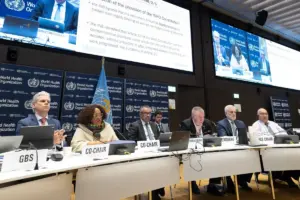
During their stay in Geneva, the delegation engaged in high-level meetings with several key WHO leaders. These included Dr. Ailan Li, Assistant Director-General for Universal Health Coverage and Healthier Populations; Dr. Catharina Boehme, Assistant Director-General for External Relations and Governance; Dr. Yukiko Nakatani, Assistant Director-General for Access to Medicines and Health Products and interim Assistant Director-General for Antimicrobial Resistance; and Dr. Michael Ryan, Deputy Director-General and Executive Director of the WHO Health Emergencies Programme.
A Legacy of Financial and Technical Collaboration
The leadership of the WHO utilized this visit to formally acknowledge and express gratitude for Spain’s enduring financial and technical contributions. In the previous biennium, Spain’s support proved instrumental in advancing several of the organization’s most critical objectives. This assistance has directly translated into improved access to essential health services and medicines for vulnerable populations, facilitated significant progress in addressing the health impacts of climate change, and fostered more resilient environments.
Furthermore, Spain has been a pivotal force in strengthening the capacity of individual countries to manage data and foster innovation, two elements deemed essential for modern public health management. Notably, Spain remains a staunch champion of the Global Polio Eradication Initiative, contributing both resources and political advocacy to the effort to consign the disease to history.
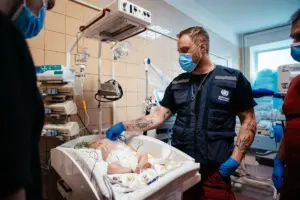
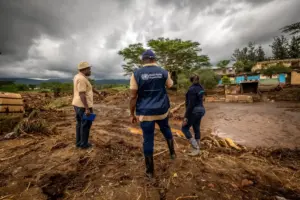
The scope of Spain’s contribution extends deep into the realm of infectious disease control. Through targeted support for the mitigation of malaria and neglected tropical diseases, Spain has bolstered the WHO’s ability to implement large-scale intervention programs in regions most affected by these conditions. Additionally, Spain’s financial contributions to the WHO’s Health Emergency Appeal have been vital in protecting health during humanitarian crises, helping to mitigate the health-related consequences of conflict and disaster and thereby breaking cycles of poverty that often follow such emergencies.
Strengthening Preparedness for Future Health Emergencies
The discussions between Mr. Padilla Bernáldez and Dr. Michael Ryan highlighted the urgent need to refine global preparedness, readiness, prevention, and response mechanisms. Given the lessons learned from recent global health crises, the emphasis was placed on creating more agile systems that can respond to epidemics and pandemics with greater speed and efficacy.
Spain’s role in this area is not merely as a donor, but as a strategic partner. By sharing its own experience in managing large-scale health systems, Spain assists the WHO in establishing benchmarks for health security. This partnership is built on the shared understanding that in an increasingly interconnected world, national health security is inseparable from global health security.
As the visit concluded, it was clear that the partnership between Spain and the WHO remains one of the most robust within the international health architecture. Beyond the specific technical milestones and policy discussions, the meeting served as a reaffirmation of a shared vision: the pursuit of “Health for All.” By continuing to align their priorities—ranging from the complexities of organ transplantation to the broader, systemic goals of universal health coverage—Spain and the WHO are positioning themselves to address both the immediate health needs of today and the systemic challenges of the future.
The collaborative spirit exhibited during the two-day visit reinforces the importance of sustained, high-level diplomatic and technical cooperation. As Spain continues its role as a leader in health policy, its ongoing engagement with the WHO promises to remain a cornerstone of the global effort to foster equitable, sustainable, and resilient health systems worldwide. The commitment demonstrated by the delegation reaffirms that Spain is not only a key partner to the organization but a dedicated advocate for the fundamental right to health across the global landscape.