








The Director-General of the World Health Organization (WHO), Dr. Tedros Adhanom Ghebreyesus, concluded the first day of a pivotal two-day State visit to the Hashemite Kingdom of Jordan today. The visit serves as a high-level affirmation of the enduring strategic partnership between the WHO and the Jordanian government, with a specific focus on bolstering universal health coverage (UHC), advancing mental health initiatives, and coordinating humanitarian health responses in an increasingly volatile region.
The centerpiece of the visit was a formal audience with His Majesty King Abdullah II. This meeting underscored the significant geopolitical and humanitarian stature of Jordan, particularly regarding the country’s leadership in positioning health as a cornerstone of both national development and international security. During their dialogue, the two leaders addressed the urgent necessity of strengthening regional health systems, expanding equitable access to care, and maintaining the logistical support required for ongoing emergency responses.
The discussion held particular weight given the current regional climate. The leaders examined the mechanisms of sustaining support for the Palestinian people, with special attention paid to the medical evacuation of patients from Gaza to Jordanian facilities. Furthermore, the conversation touched upon the long-term sustainability of the health infrastructure required to support the millions of refugees hosted within Jordan’s borders.
Following the meeting, Dr. Tedros expressed his profound gratitude for the Kingdom’s humanitarian stance. “I wish to express my appreciation to His Majesty King Abdullah II for his commitment to advancing universal health coverage,” Dr. Tedros stated. He emphasized that the international community owes a debt of gratitude to the King and the people of Jordan for their consistent solidarity. Jordan currently provides essential health services to more than three million refugees, a population primarily composed of individuals displaced from Syria and Gaza.
Dr. Tedros specifically lauded the “Medical Corridor” initiative, a signature humanitarian effort championed by the King. This initiative has been instrumental in delivering life-saving medical care to ill and injured children evacuated from Gaza, many of whom suffer from complex conditions including cancer and trauma-related injuries. “Jordan continues to show the world what it truly means to put health and humanity first,” the Director-General remarked.
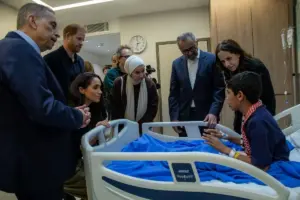
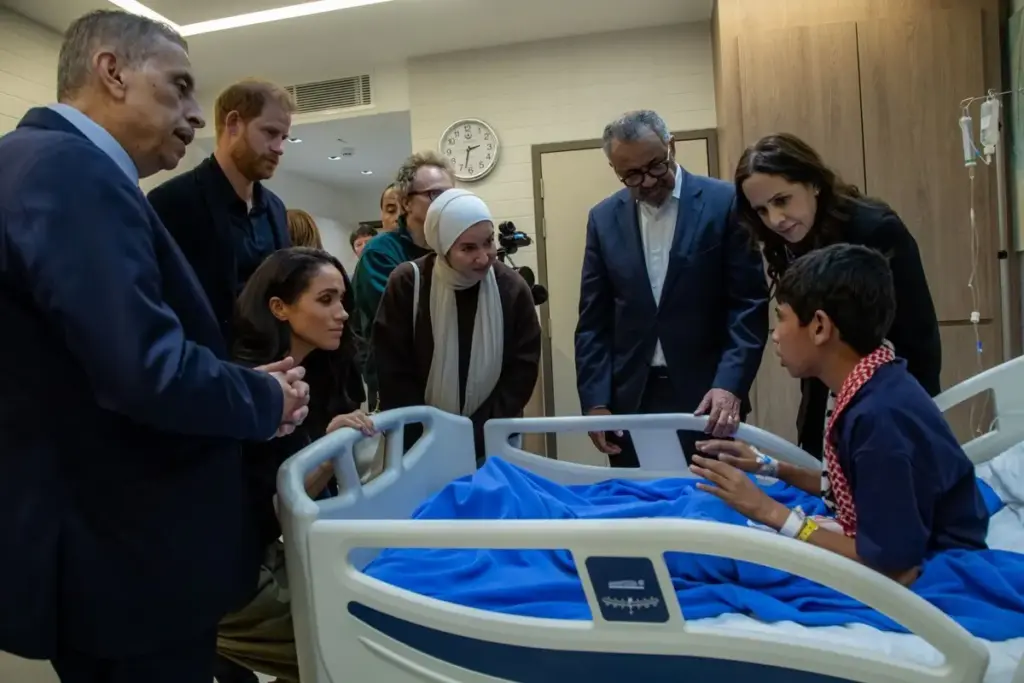
As part of his itinerary, Dr. Tedros visited a WHO-supported hospital where specialized treatment is being provided to children evacuated from Gaza. During this emotional and high-stakes visit, he met with the young patients and their families, as well as the frontline health workers who are laboring under immense pressure to deliver critical care. This visit highlighted the functional importance of the medical evacuation corridor—a logistical lifeline that requires sustained international financial and political support to ensure that the most vulnerable patients can access the treatment they require.
The Director-General also convened a high-level assembly of health partners, including representatives from donor nations, various United Nations agencies, and key philanthropic organizations. The agenda for this meeting was centered on the complex task of financing health system strengthening in Jordan. Participants discussed the operational challenges of maintaining high-quality health services while simultaneously managing large refugee populations. A significant portion of the dialogue was dedicated to scaling up mental health services, a sector that remains critically underfunded in many conflict-affected settings. Dr. Tedros praised the collaborative spirit of the partners in attendance, noting that their commitment to investing in Jordan’s health sector provides a scalable model for other countries facing similar demographic and humanitarian pressures.
In bilateral discussions with Jordan’s Minister of Health, Dr. Tedros explored the technical aspects of advancing the country’s progress toward universal health coverage. Jordan has emerged as a regional leader in adopting a primary health care approach, which emphasizes the integration of mental health services into routine care pathways. This integration is a priority for the WHO, which continues to provide technical guidance through the Director-General’s Special Initiative for Mental Health. By embedding mental health support within primary care, Jordan is effectively reducing the stigma associated with psychological trauma and ensuring that mental health is treated with the same urgency as physical ailments.
Adding a significant international dimension to the visit, Dr. Tedros was accompanied throughout several engagements by the Duke and Duchess of Sussex, Prince Harry and Meghan. Attending in their capacities as founders of Archewell Philanthropies, the couple has been long-standing supporters of the WHO’s global health mission. Archewell has historically supported a variety of WHO-led initiatives, ranging from the push for equitable access to COVID-19 vaccines to the support of medical evacuation and mental health programs in crisis zones.
Prince Harry, who has been a vocal advocate for mental health awareness, participated in sessions that highlighted the vital importance of psychological support in emergency settings. The discussions emphasized the necessity of tailoring mental health interventions to meet the specific needs of men, youth, and children who have been displaced or traumatized by conflict.
“I want to thank our partners, including Prince Harry, Duke of Sussex and Meghan, Duchess of Sussex, whose commitment to mental health and humanitarian action has helped bring visibility, resources and hope to some of the world’s most vulnerable communities,” Dr. Tedros said. “Their collaboration is helping to advance WHO’s mission to ensure health for all.”
For his part, Prince Harry remarked on the significance of the visit, stating, “It is an honour to join the Director-General of the World Health Organization in Jordan, a country that is leading by example in compassion, resilience and innovation. Through our work with Archewell Philanthropies, my wife and I have seen first-hand the impact of WHO’s efforts to support mental health and deliver life-saving care in emergencies.”
Prince Harry further underscored the long-term vision of their involvement, noting, “We remain deeply committed to advancing awareness, reducing stigma and expanding access to mental health support for all those affected by conflict and crisis. Mental health is fundamental to recovery, dignity and long-term peace, and we are proud to stand with WHO and partners around the world to make it a global priority.”
As the first day of the State visit drew to a close, the focus shifted toward the second day’s agenda, which is expected to be equally intensive. Dr. Tedros is scheduled to visit Jordan’s National Center for Rehabilitation of Addicts, a facility supported by the WHO that provides comprehensive medical, psychological, and social services. This visit is intended to highlight the importance of integrated care models that treat addiction as a health issue rather than a criminal one.
Furthermore, the Director-General will meet with influential community leaders and various women’s organizations, including representatives from the Jordanian Hashemite Fund for Human Development. These engagements are designed to acknowledge the role of grassroots organizations in maintaining the social fabric of the country. Finally, a visit to the King Hussein Cancer Center will provide an opportunity to discuss the latest advancements in oncology care and the potential for increased regional collaboration in medical research and treatment.
The State visit will conclude with a series of final meetings with international partners who support humanitarian operations in the Levant. These discussions are intended to reinforce Jordan’s indispensable role as a regional hub for medical evacuation, emergency response, and the broader goal of building health system resilience. Through these continued efforts, the WHO and the Jordanian government aim to provide a stable, scalable framework for addressing the health needs of millions in an era defined by displacement, conflict, and public health challenges.