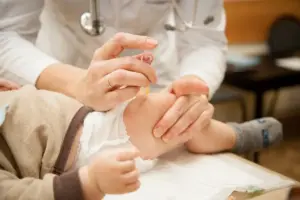




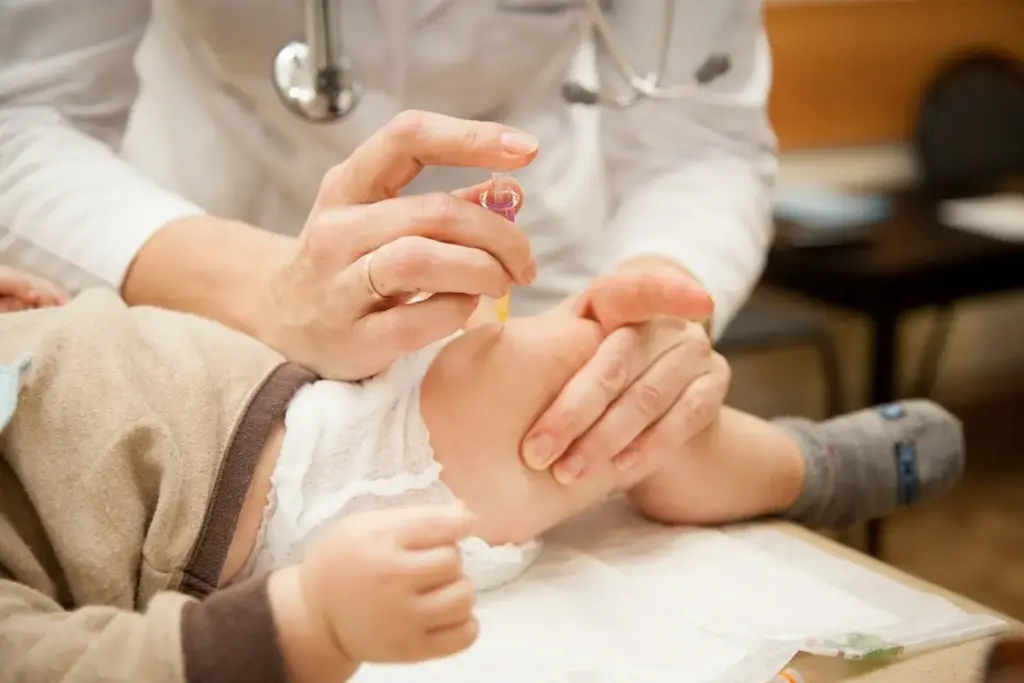
The COVID-19 pandemic is severely disrupting life-saving immunization services across the globe, putting millions of children—in both wealthy and developing nations—at immediate risk of preventable and potentially deadly diseases such as diphtheria, measles, and polio. This stark warning has been issued jointly by the World Health Organization (WHO), UNICEF, and Gavi, the Vaccine Alliance. The announcement comes ahead of the crucial Global Vaccine Summit, scheduled for June 4, where world leaders are set to convene to help maintain vital immunization programs and mitigate the cascading impacts of the pandemic in lower-income countries.
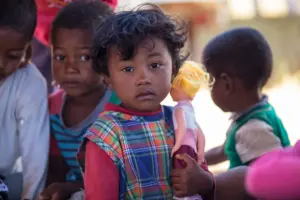
According to comprehensive data compiled by the World Health Organization, UNICEF, Gavi, and the Sabin Vaccine Institute, the provision of routine immunization services is substantially hindered in at least 68 countries. This disruption threatens to directly affect approximately 80 million children under the age of one living in these vulnerable regions.
Since March 2020, routine childhood immunization services have faced a global scale of disruption that may be entirely unprecedented since the inception of the Expanded Programme on Immunization (EPI) in the 1970s. More than half—specifically 53 percent—of the 129 countries with available data reported moderate-to-severe disruptions, or even the total suspension of vaccination services, during the critical period of March through April 2020.
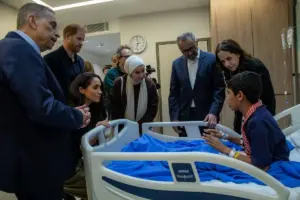
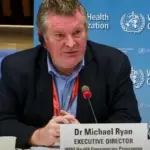
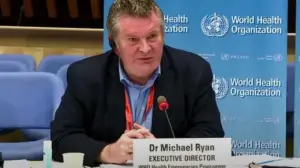
"Immunization is one of the most powerful and fundamental disease prevention tools in the history of public health," said Dr. Tedros Adhanom Ghebreyesus, WHO Director-General. "Disruption to immunization programmes from the COVID-19 pandemic threatens to unwind decades of progress against vaccine-preventable diseases like measles."
Dr. Tedros further emphasized the importance of upcoming international financial commitments, noting that at the June 4 Global Vaccine Summit in London, donors will pledge their support to Gavi, the Vaccine Alliance, to sustain and accelerate this life-saving work in some of the most vulnerable nations. Urging international support, he added, "From the bottom of my heart, I urge donors to fully fund the Alliance. These countries, these children especially, need vaccines, and they need Gavi."
The roots of these service disruptions are multifaceted and complex. On the demand side, many parents are hesitant or reluctant to leave their homes due to widespread restrictions on movement, a lack of clear and accessible information, or a profound fear of contracting the COVID-19 virus at healthcare facilities. On the supply side, many healthcare workers are unavailable due to travel restrictions, a lack of personal protective equipment (PPE), or because they have been redeployed to urgent COVID-19 response duties.
Dr. Seth Berkley, CEO of Gavi, underscored the gravity of the situation, stating that more children in more countries are currently protected against vaccine-preventable diseases than at any other point in history. However, he warned that this immense progress is now under serious threat, risking the resurgence of historic scourges like measles and polio.
"Not only will maintaining immunization programmes prevent more outbreaks, it will also ensure we have the infrastructure we need to roll out an eventual COVID-19 vaccine on a global scale," Dr. Berkley explained.
Compounding these local challenges are severe international transport delays. UNICEF has reported a substantial delay in planned vaccine deliveries driven by stringent lockdown measures, an ensuing massive decline in commercial flights, and a very limited availability of cargo charters. To help mitigate this crisis, UNICEF is actively appealing to governments, the private sector, the global airline industry, and other partners to free up freight space at an affordable cost for these critical life-saving vaccines. In response to reduced commercial flight options, Gavi recently signed an agreement with UNICEF to provide advance funding to cover increased freight costs for vaccine delivery.
"We cannot let our fight against one disease come at the expense of long-term progress in our fight against other diseases," said Henrietta Fore, UNICEF Executive Director. "We have effective vaccines against measles, polio, and cholera. While circumstances may require us to temporarily pause some immunization efforts, these immunizations must restart as soon as possible, or we risk exchanging one deadly outbreak for another."
To address these challenges safely, the WHO is issuing new advice to countries on maintaining essential health services during the pandemic, including comprehensive recommendations on how to administer immunizations safely without accelerating viral transmission.
Mass Immunization Campaigns Temporarily Disrupted
Many nations have temporarily, and justifiably, suspended preventive mass vaccination campaigns targeting diseases such as cholera, measles, meningitis, polio, tetanus, typhoid, and yellow fever. These difficult decisions were made due to the high risk of community transmission and the critical public health need to maintain physical distancing during the early stages of the COVID-19 pandemic.
Mass vaccination campaigns for measles and polio have been particularly hard hit. Measles campaigns have been suspended in 27 countries, while polio campaigns have been put on hold in 38 nations. Consequently, at least 24 million people across 21 Gavi-supported, lower-income countries are now at risk of missing out on vaccines protecting against polio, measles, typhoid, yellow fever, cholera, rotavirus, human papillomavirus (HPV), meningitis A, and rubella due to postponed campaigns and delayed introductions of new vaccines.
In late March, out of deep concern that mass gatherings for vaccination campaigns would fuel the transmission of COVID-19, the WHO recommended that countries temporarily suspend preventive campaigns while rigorous risk assessments and effective measures to reduce virus transmission were established.
Having closely monitored the evolving situation, the WHO has now issued formal advice to help countries determine how and when to safely resume mass vaccination campaigns. The updated guidance emphasizes that national authorities must conduct specific risk assessments based on local COVID-19 transmission dynamics, existing health system capacities, and the broader public health benefits of conducting preventive and outbreak response vaccination campaigns.
In alignment with this guidance and driven by growing concerns over rising polio transmission rates, the Global Polio Eradication Initiative (GPEI) is advising countries to initiate comprehensive planning for the safe resumption of polio vaccination campaigns, with a particular focus on high-risk areas.
Despite these extraordinary operational challenges, several countries are making notable, special efforts to continue providing routine immunization services. Uganda, for instance, has ensured that immunization services continue alongside other essential health services, even providing dedicated funding for transportation to maintain outreach activities. Similarly, in Lao PDR, despite a strict national lockdown imposed in March, routine immunizations at fixed sites continued uninterrupted with strict physical distancing measures in place.
The global pulse survey on immunization was conducted with more than 800 immunization experts, including representatives from Ministries of Health and global health organizations across 107 countries. Among these participants, 53 represented lower-income countries supported by Gavi, the Vaccine Alliance. Data concerning specific campaign suspensions was officially reported to the WHO by member states as of May 15, 2020, while insights regarding the underlying reasons for service disruptions were gathered from regional reports and a survey administered through the Scholar training platform, which garnered 1,600 respondents.
Looking ahead, the upcoming Global Vaccine Summit hosted by the UK government on June 4 aims to raise at least US$ 7.4 billion for Gavi, the Vaccine Alliance. This crucial funding will help protect 300 million children in 68 lower-income countries against deadly diseases from 2021 through 2025. Furthermore, the raised resources will support essential mass vaccination campaigns and the rebuilding of health systems required in the coming years to address the extensive damage inflicted by the COVID-19 pandemic.
The World Health Organization provides global leadership in public health within the United Nations system. Founded in 1948, the organization collaborates with 194 Member States across six regions and more than 150 offices to promote health, keep the world safe, and serve vulnerable populations. The Global Polio Eradication Initiative, a public-private partnership led by national governments, unites six core partners—the WHO, Rotary International, the U.S. Centers for Disease Control and Prevention (CDC), UNICEF, the Bill & Melinda Gates Foundation, and Gavi—in the shared mission to eradicate polio worldwide.
Gavi, the Vaccine Alliance, is a public-private partnership that helps vaccinate nearly half the world’s children against some of the deadliest diseases known to public health. Since its inception in 2000, Gavi has helped immunize an entire generation, reaching over 760 million children, preventing more than 13 million deaths, and helping to halve child mortality in 73 developing countries. In parallel, UNICEF operates in some of the world’s most challenging environments to reach disadvantaged children across 190 countries and territories, working tirelessly to build a better world for every child everywhere.