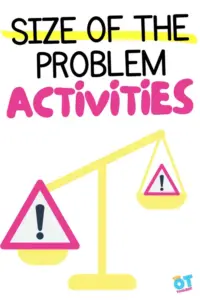









In classrooms, homes, and therapeutic environments across the country, educators, parents, and occupational therapists are turning to a specialized social-emotional learning concept to help children navigate daily stress. Known as the "Size of the Problem" activity, this framework bridges the gap between emotional regulation and executive functioning, offering a practical way for kids to understand the magnitude of the challenges they encounter and formulate appropriate responses.
Developed as a tool to help children visualize how big their problems actually are, the concept teaches that not every challenge requires the same level of emotion or reaction. For instance, dropping a crayon during art class represents a small problem that calls for a quick solution and a calm response. Conversely, a family emergency or a major life change constitutes a large problem requiring significant adult support, emotional backing, and intensive coping strategies.
Many children who struggle with emotional regulation frequently become overwhelmed by minor inconveniences, finding it difficult to gauge which situations demand heightened reactions. By categorizing problems into distinct sizes based on their level of seriousness and impact, the strategy fosters crucial developmental capacities such as perspective-taking, self-awareness, and problem-solving.
Understanding Executive Functioning and Emotional Regulation
The foundation of the approach lies in the understanding that emotional regulation and executive functioning skills operate hand in hand. Executive function develops gradually over a long period, meaning that identifying a problem, selecting a regulation strategy, and effectively applying it is a complex developmental process.
Proponents emphasize that the curriculum is not designed to dismiss a child’s feelings. Experiencing big emotions over seemingly minor issues, such as misplacing a television remote control, is recognized as a normal part of growing up. Rather than engaging in arguments over the appropriate level of emotional expression, educators and caregivers are encouraged to accept these feelings and guide children toward constructive solutions and future strategies.
Categorizing Challenges: Small, Medium, and Big Problems
Effective implementation of the concept relies on giving children repeated opportunities to compare situations, discuss feelings, and practice matching their reactions to different scenarios.
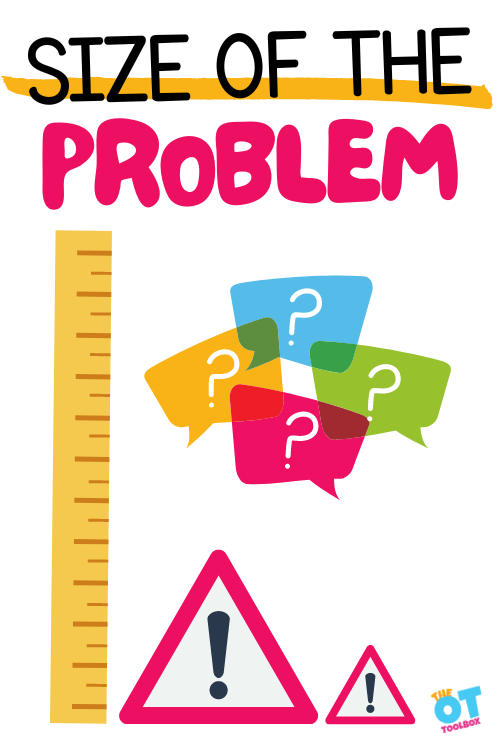
Small problems generally encompass daily inconveniences that can be resolved quickly and independently. Examples include minor disruptions like missing a household item or dropping a school supply. These situations typically call for minimal reactions and simple problem-solving strategies, serving as valuable teaching moments for children to manage minor frustrations and apply flexible thinking.
Medium problems involve situations that may require assistance from an adult or a peer, though they do not constitute emergencies. These occurrences can trigger feelings of disappointment, frustration, or upset, but they are resolvable through active communication and external support.
Big problems involve safety concerns, immediate emergencies, or significant life events. These critical situations necessitate immediate adult intervention, emotional backing, and structured coping strategies to ensure safety and emotional stabilization.
Application Across Home and School Settings
The adaptability of the framework allows it to be integrated seamlessly into various daily environments. At home, parents often utilize everyday occurrences to help children understand that problems come in different sizes and require adaptable thinking. Routine household disruptions—ranging from running late for a school bus due to a late start to discovering a necessary item missing before an activity—provide practical contexts for co-regulation. Parents can model mood modulation, discuss affect, and talk through alternative solutions, helping children learn how to "go with the flow" when unexpected hurdles arise.
In educational settings, teachers incorporate these principles into classroom management and specialized spaces like calm-down corners. Emotional check-ins and feelings-sorting activities assist students in assessing their internal states before reacting to academic or social challenges. For example, a missing school assignment presents a structured opportunity to discuss responsibility and time management, while a playground disagreement with a peer helps build foundational social skills.
Building Emotional Vocabulary and Visual Supports
A critical component of the framework involves expanding a child’s emotional vocabulary. Moving beyond basic descriptors allows children to communicate their needs more precisely and select appropriate coping mechanisms tailored to their specific emotional states.

To make abstract concepts concrete, practitioners frequently employ visual supports, such as charts and task cards, that categorize problems by size and pair them with matched reactions. Students can sort various scenarios into designated categories, reinforcing the understanding that different levels of challenge call for proportional responses.
From an occupational therapy perspective, the approach addresses core developmental domains, including self-monitoring, perspective-taking, and cognitive flexibility. By equipping children with the tools to accurately assess challenges and respond effectively, the framework fosters greater confidence, resilience, and successful participation in daily life.