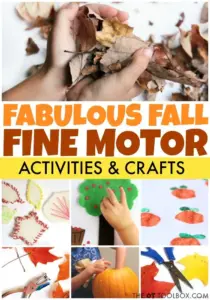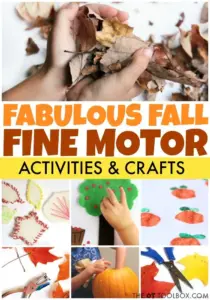







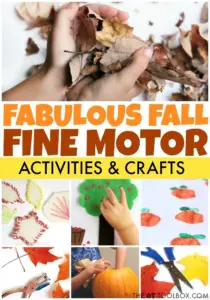

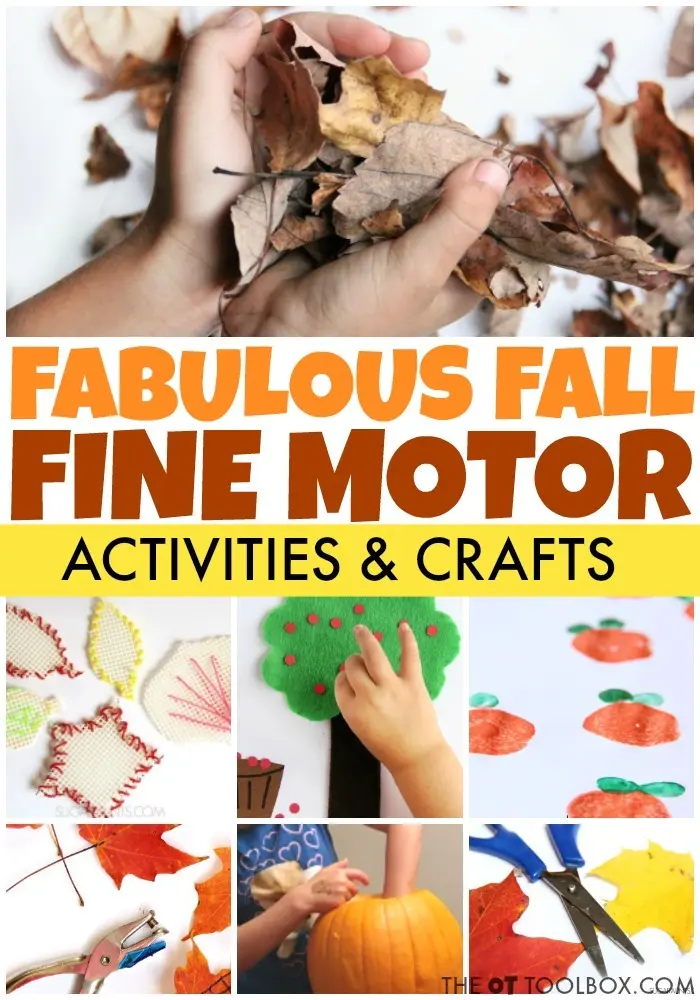
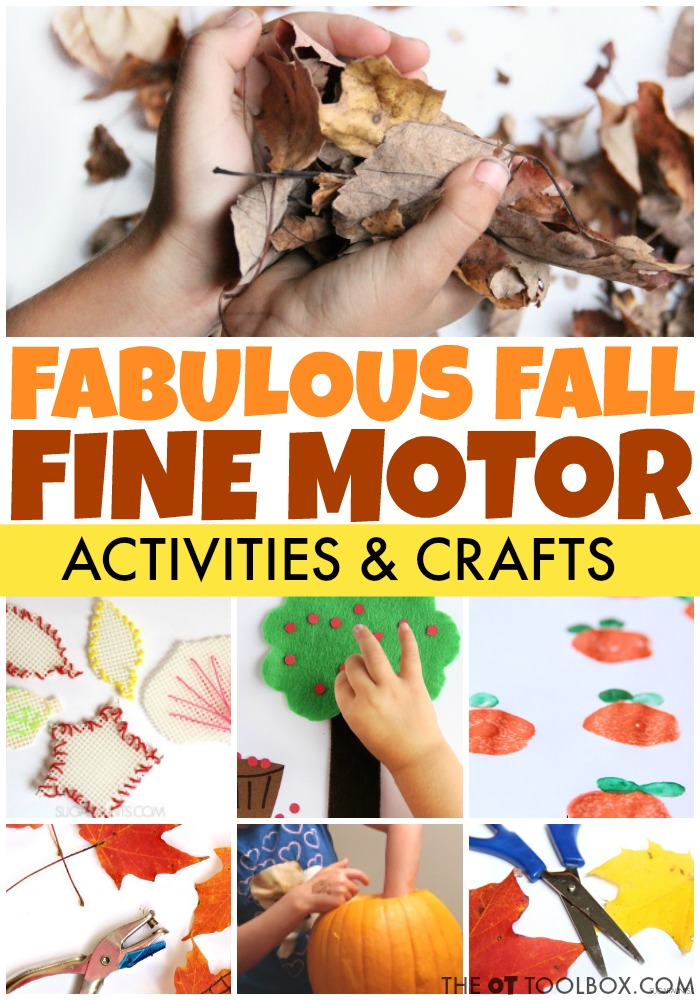
As the crisp autumn air settles in and landscapes transform with vibrant shades of gold, crimson, and orange, pediatric occupational therapists, educators, and parents are increasingly turning to seasonal themes to support essential child development. Rather than choosing seasonal projects purely for festive entertainment, professionals are strategically incorporating apples, leaves, pumpkins, acorns, and farm motifs into targeted developmental frameworks designed to address specific fine motor needs in children.
This seasonal approach utilizes familiar autumnal materials to tackle critical developmental domains, including hand strength, finger dexterity, scissor proficiency, visual-motor integration, and foundational handwriting capabilities. Because many traditional harvest-time activities naturally engage multiple physical and cognitive systems simultaneously, pediatric specialists have developed comprehensive adaptation strategies to tailor these exercises to individual developmental profiles.
The integration of autumn elements into therapy sessions and classroom environments arrives as specialists continue to seek engaging ways to encourage correct tripod grasps, refine preschooler and toddler motor abilities, and promote overall occupational therapy milestones. To support families and educators during the busy autumn transition, comprehensive resource collections—including sensory-focused activity booklets—are being widely utilized to encourage both fine and gross motor movement through immersive sensory experiences.
Fall Hand Strength Activities
Building hand strength is a fundamental prerequisite for academic and daily living tasks, such as writing, using utensils, and managing clothing fasteners. When children present with weak hand muscles, therapists frequently introduce resistive materials that challenge the intrinsic muscles of the hand without feeling like clinical work.
One prominent method utilized in professional settings is the apple geoboard. By stretching rubber bands across the pegs of a geoboard to recreate specific apple designs, children experience physical resistance in their fingers and hands. This activity demands precision and controlled release, simultaneously fostering bilateral coordination, visual-motor skills, and motor planning. Therapists can easily adjust the difficulty of this exercise by utilizing thicker, more resistant bands or by simplifying visual patterns when spatial demands become overly challenging.
Play dough activities similarly offer continuous resistive feedback that benefits hand and finger positioning, pincer grasp development, wrist stability, and palm arch formation. The soft, pliable medium provides tactile sensory challenges paired with proprioceptive feedback as children roll, squeeze, pinch, and press the material. Occupational therapists frequently enhance play dough tasks by hiding small items—such as miniature leaves, seasonal erasers, or colored beads—within the dough, or by pairing the medium with printable shape cards to encourage intentional, themed creations.
Another effective tool for developing sustained hand force is the apple hole-punch activity. By operating a handheld paper punch around the contoured edges of a printed or drawn apple shape, children exercise the gross grasp of the hand while integrating crucial visual-motor components to follow the designated path accurately.
Enhancing Manual Dexterity Through Seasonal Manipulatives
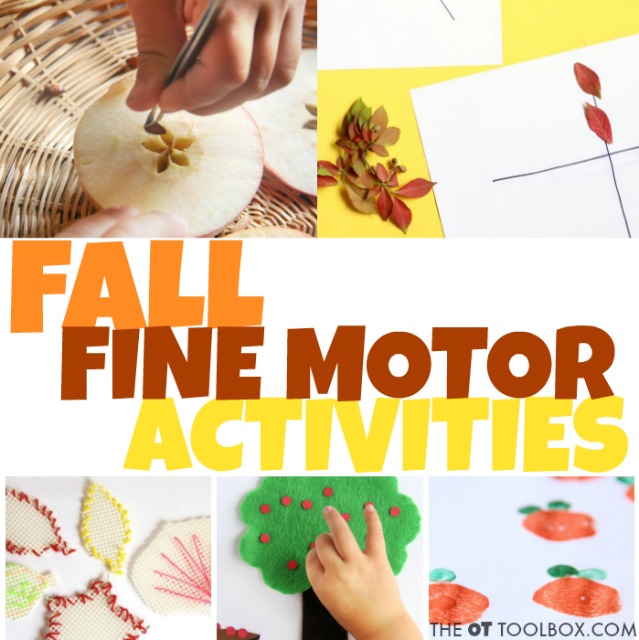
Manual dexterity requires the efficient, coordinated use of fingers to execute small, precise movements. When fine motor breakdowns occur, they often stem from underlying deficits in speed, precision, visual-motor coordination, or strength. Autumn provides a wealth of small manipulatives—such as craft pom-poms, seeds, mini erasers, paper clips, and natural craft materials—that transform basic seasonal tasks into targeted dexterity training.
The fall tree geoboard offers a prime example of a printable resource that targets both hand strength and intricate finger dexterity. Manipulating rubber bands around individual pegs requires children to use their fingertips rather than their whole hands to grasp, stretch, reposition, and release the bands with control.
Similarly, apple paper-clip counting tasks require precise fingertip movements as children attach specific numbers of paper clips to laminated counting cards. This activity naturally encourages bilateral hand use, with one hand stabilizing the card while the other manipulates the metal clip, supporting eye-hand coordination and early numerical concepts simultaneously.
Craft pom-poms are also heavily utilized in clinical and educational environments. By pairing fall-colored pom-poms with tongs or tweezers, children transfer the small objects into ice cube trays, muffin tins, or compartmentalized containers. The precision required for these transfer tasks can be easily graded by altering the size of the pom-poms or changing the grabbing tool.
Developing Scissor Proficiency and Visual-Motor Integration
Scissor proficiency remains a cornerstone of early childhood fine motor development, requiring the cutting hand and the stabilizing helper hand to execute entirely different motor actions simultaneously. One hand rhythmically opens and closes the scissors, while the non-dominant hand stabilizes, rotates, and advances the paper along a visual path.
Specialized apple-cutting practice pages allow children to practice cutting along structured lines, providing therapists with an opportunity to assess cutting mechanics, paper rotation, and grasp patterns. Beyond printed templates, natural materials offer unique opportunities; children living in regions with colorful foliage can snip real leaves into small pieces or cut around natural edges, integrating auditory and tactile processing while practicing line awareness.
Cut-and-paste farm crafts elevate these physical demands further by incorporating executive functioning and direction-following skills. Beyond simply cutting out paper components, children must visually determine where pieces belong, orient them correctly, follow an assembly sequence, and apply glue with spatial accuracy.
Visual-motor integration is frequently challenged when a child possesses adequate hand strength and dexterity but struggles to coordinate visual input with hand movement. Fall-themed directed drawing exercises require children to observe a model of an acorn, leaf, or pumpkin, plan where each pencil stroke begins and ends, and reproduce accurate spatial relationships. Pattern block designs and seek-and-find visual scanning activities further reinforce visual discrimination, figure-ground awareness, and sustained visual attention, particularly when paired with fine motor markers like clothespins or small manipulatives.
Seasonal Handwriting and No-Prep Interventions
Handwriting is often the ultimate goal of fine motor intervention, requiring the seamless integration of strength, endurance, visual-motor skills, and spatial awareness. The use of structured seasonal writing prompts allows educators and therapists to address handwriting within meaningful contexts rather than relying solely on isolated letter drills. Depending on a student’s individual developmental stage, writing tasks can be scaled from writing a single fall-themed word for emerging writers to composing full paragraphs for older students, targeting specific components such as line awareness, spacing, letter formation, and writing endurance.
For classrooms and therapy clinics operating with limited preparation time, everyday household and yard items provide robust opportunities for fine motor skill development. Fallen leaves can be torn, crumpled, punched, cut, sorted, or strung; acorns can be picked up with tongs, counted, and transferred; and plastic bread ties can be manipulated and managed in crafting projects to strengthen intrinsic hand muscles.
Ultimately, the integration of autumn-themed activities provides a versatile, engaging framework for addressing complex pediatric developmental needs. By embedding therapeutic objectives into familiar seasonal experiences, professionals and families can effectively support the foundational motor skills children require for long-term academic and functional success.