








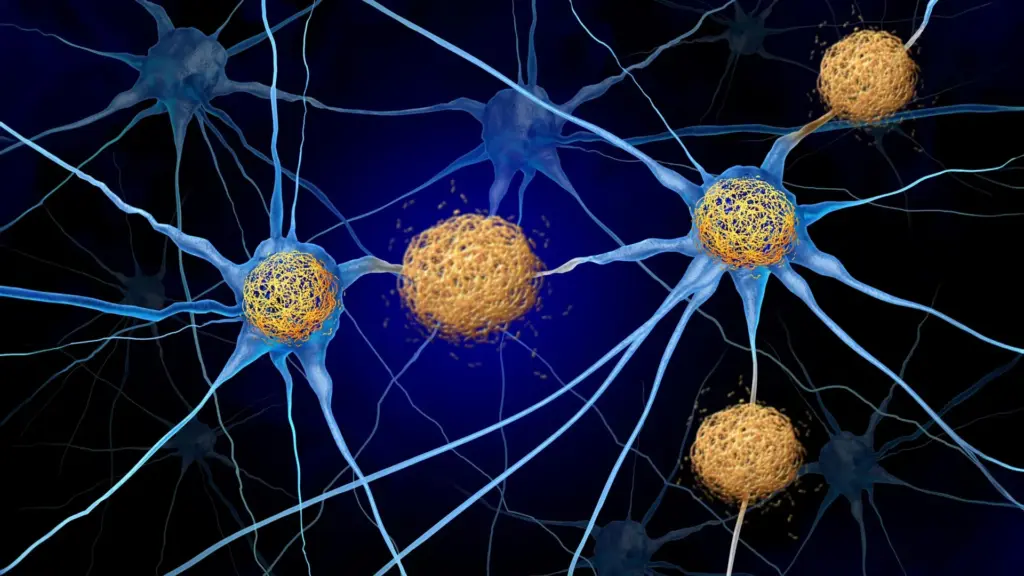
For decades, the scientific community has been locked in a high-stakes race to identify the primary drivers of neurodegeneration in Alzheimer’s disease. While the accumulation of amyloid plaques and tau protein tangles has long been the primary focus of drug development, a groundbreaking study from the Washington University School of Medicine in St. Louis suggests that the brain’s own immune system may be the true architect of the destruction that leads to memory loss and the erosion of cognitive independence.
The study, published September 28 in the journal Neuron, identifies a specific pathway that allows immune cells to infiltrate the brain and wreak havoc on neurons. By blocking this pathway, researchers have successfully preserved brain tissue and cognitive function in mice, even while the underlying tau protein deposits remained untouched. This finding marks a potential paradigm shift in how clinicians might one day approach Alzheimer’s and other tauopathies—diseases characterized by the buildup of tau protein.
The Hidden Culprit: Why Immune Cells Damage the Brain
In the complex environment of the human brain, Alzheimer’s disease acts as a multifaceted adversary. Traditionally, the clinical focus has been on "amyloid-beta," a protein that forms plaques between neurons. Modern treatments like lecanemab and donanemab target these plaques to slow cognitive decline. However, while these therapies represent a significant leap forward, they have yet to demonstrate an ability to stop the actual death of brain cells. Furthermore, they are ineffective against primary tauopathies—conditions where tau buildup occurs in the absence of amyloid.

Dr. David M. Holtzman, the senior author of the study and the Barbara Burton and Reuben M. Morriss III Distinguished Professor in the Department of Neurology at WashU Medicine, explains that the current landscape of treatment is insufficient. "In tauopathies, including Alzheimer’s disease, there’s no treatment right now that actually decreases neurodegeneration," Dr. Holtzman noted. "If we can show that we’re really decreasing brain cell death, it’s certainly worth trying to pursue that pathway to prevent the most devastating consequences of these diseases."
The research team at Washington University began investigating the immune system’s role after discovering, in a 2023 study published in Nature, that T cells—a critical component of the body’s defense system—migrate into the brains of mice suffering from abnormal tau accumulation. Once inside, these T cells tend to congregate in regions where tau is most prevalent, seemingly accelerating the decay of neuronal tissue. A subsequent study published earlier this month in Nature Neuroscience further clarified that the signals directing these immune cells to enter the brain actually originate in lymph nodes located outside the cranium.
Identifying the Chemical Pathway
To understand how these T cells navigate into the brain, the research team, led by Dr. Holtzman, professor of neurology Dr. Jason Ulrich, and postdoctoral researcher Dr. Joshua T. Emmerson, focused on "chemokines"—chemical signals that act as a map for immune cells. Previous experiments in the lab had identified elevated levels of a specific signal, CXCL10, in the brains of mice with tau buildup. Notably, other research groups have observed similar elevations in the brains of human Alzheimer’s patients.
The team hypothesized that T cells, which carry a surface receptor known as CXCR3, were using this receptor to "lock onto" the CXCL10 signal, effectively creating a highway into the brain. To test this, the researchers studied mice engineered to develop tau deposits resembling those found in Alzheimer’s disease.
The results were definitive: when the researchers blocked the interaction between CXCL10 and its receptor, CXCR3, the T cells were unable to infiltrate the brain. Even when the scientists induced inflammation to provoke an immune response, the T cells remained excluded. This proved that the CXCL10-CXCR3 pathway is the primary mechanism guiding these harmful cells into the brain’s sensitive tissue.
Preservation of Brain Tissue and Function
With the pathway confirmed, the researchers moved to test whether blocking CXCR3 could serve as a viable therapeutic strategy. They selected young mice that had already begun accumulating tau but had not yet suffered significant neuronal loss. These mice were treated with an antibody designed to block CXCR3 once every five days for a duration of three and a half months.
The outcome was striking. By the end of the trial, the treated mice had roughly 50% fewer T cells in their brains compared to the untreated control group. More importantly, the preservation of neurological health was evident. The treated mice retained approximately 40% more brain tissue in regions critical to memory and performed significantly better on standardized memory tests.
Perhaps the most surprising aspect of these findings is that the treatment achieved these results without affecting the tau tangles themselves. The amount of abnormal protein in the brains of the treated mice remained identical to that of the untreated mice. This suggests that the neurodegeneration associated with Alzheimer’s may be driven more by the body’s inflammatory immune response to tau than by the tau protein itself.
A New Frontier for Therapeutic Development
The implications for future drug development are substantial. One of the greatest challenges in treating neurological disorders is the blood-brain barrier, a protective filter that prevents many substances from reaching the brain. Developing drugs that can cross this barrier is difficult, expensive, and often results in side effects.
However, the antibody used in this study reached the boundary of the brain but did not need to enter the brain tissue to be effective. "For this therapeutic approach, if it is safe, you wouldn’t have to design the drug to get into the brain—which is a big deal since most molecules don’t cross the blood-brain barrier well—and you don’t have to get rid of the tau to get this therapeutic effect," Dr. Holtzman said.
By focusing on modulating the immune response from outside the central nervous system, researchers may be able to bypass the most restrictive physiological barriers of the brain. This approach could leverage existing knowledge from other fields; for instance, medications currently used to manage T-cell activity in autoimmune diseases like multiple sclerosis might serve as a starting point for clinical trials.
Looking Toward Clinical Translation
While the success in mice provides a robust proof-of-concept, the researchers caution that the transition to human clinical trials will require significant further study to ensure safety and efficacy. Tauopathies have historically not been categorized as autoimmune disorders, so this research represents a fundamental shift in perspective.
"Tauopathies aren’t thought of as autoimmune disorders, so they haven’t been treated the same way, but this study shows for the first time in an animal model that these diseases respond to a specific T-cell therapy," said Dr. Holtzman, who also directs WashU’s Hope Center for Neurological Disorders and the Knight Alzheimer Disease Research Center.
The findings open the door to a strategy where, rather than focusing exclusively on removing the "debris" of Alzheimer’s—the amyloid and tau proteins—physicians might instead focus on preventing the collateral damage caused by the brain’s own inflammatory defense mechanisms. If this strategy can be safely translated to humans, it could provide a much-needed lifeline for patients with Alzheimer’s and other related neurodegenerative conditions, offering a way to stabilize the brain even when the primary drivers of the disease remain present.
As the scientific community digests these results, the focus will likely turn toward identifying specific, safe, and effective inhibitors of the CXCR3 pathway. With the support of organizations like the National Institutes of Health and the BrightFocus Foundation, the team at Washington University has provided a compelling roadmap for a future where neurodegeneration is not an inevitable outcome of protein accumulation, but a manageable immune-mediated process.