




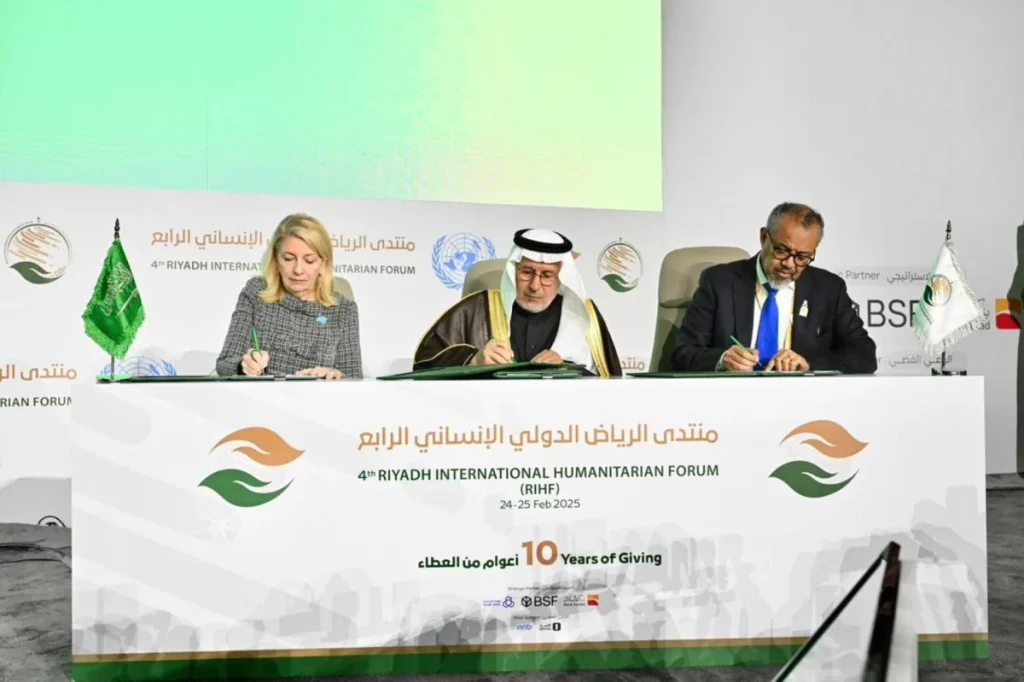
The global humanitarian community convened in Riyadh on 24-25 February 2025 for the Riyadh International Humanitarian Forum, a pivotal gathering that underscored the urgent necessity of international cooperation in the face of escalating health crises. The forum, which coincided with the 10th anniversary of the King Salman Humanitarian Aid and Relief Centre (KSRelief), served as a high-level platform for discussing the survival, health diplomacy, well-being, and dignity of populations trapped in conflict and disaster zones. Beyond the high-level policy discussions, the event translated advocacy into concrete action, witnessing the signing of substantial funding agreements aimed at addressing immediate medical threats in the Middle East and solidifying long-term global health initiatives.
At the heart of the forum was a commitment to the security and protection of aid workers, who increasingly operate in volatile and life-threatening environments. As humanitarian needs reach historic levels globally, the participants—ranging from intergovernmental organizations to national aid agencies—sought to harmonize their strategies for delivering life-saving assistance. The milestone anniversary of KSRelief provided a reflective moment to assess the evolution of humanitarian aid over the past decade, while simultaneously pivoting toward a future where health diplomacy is prioritized as a core pillar of international relations.
Strengthening Regional Health Interventions
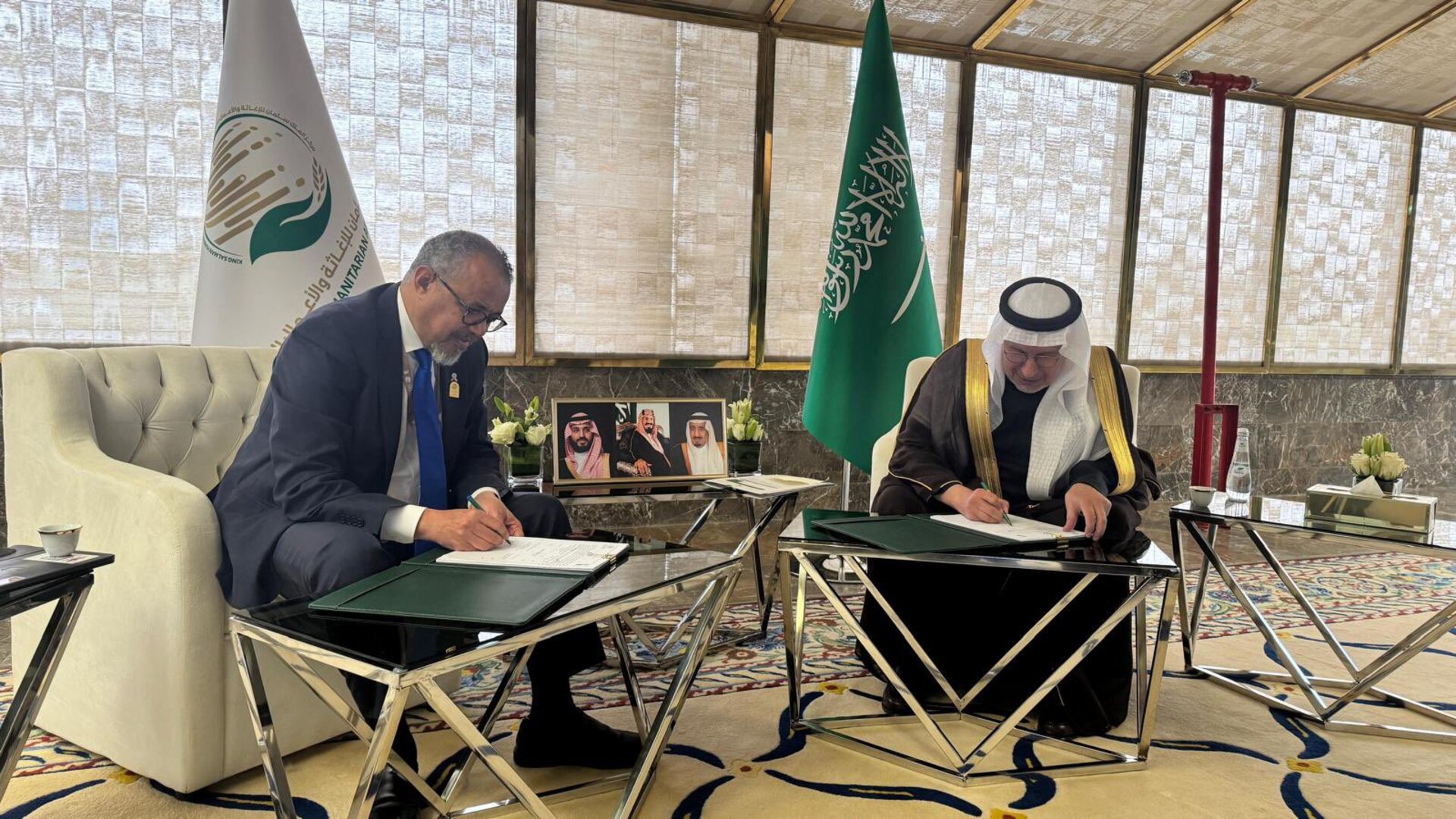
One of the most immediate outcomes of the forum was the strengthening of the long-standing partnership between the World Health Organization (WHO) and KSRelief. Dr. Tedros Adhanom Ghebreyesus, the WHO Director-General, and Abdullah Al Rabeeah, the Supervisor-General of KSRelief, led the signing ceremonies for several critical agreements focused on disease prevention and the management of chronic health conditions in vulnerable populations.
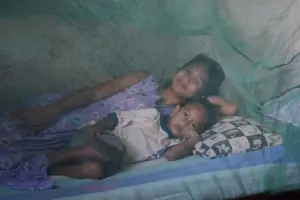
The primary focus of these new agreements is the stabilization of health systems in Yemen, a nation that has endured years of conflict and the subsequent collapse of essential infrastructure. To combat the persistent threat of infectious diseases, KSRelief has pledged US$ 12 million dedicated specifically to malaria control. Malaria remains a significant public health challenge in Yemen, and this funding is designed to bolster surveillance, provide essential medicines, and support the frontline health workers who are struggling to reach remote and unstable areas.
In tandem with the malaria initiative, a further US$ 2.1 million has been allocated to expand cholera treatment efforts. Cholera outbreaks remain a recurring and lethal threat in Yemen, often exacerbated by the degradation of water and sanitation infrastructure. By providing targeted funding for treatment centers and rapid response teams, the WHO and KSRelief aim to reduce mortality rates and curb the transmission of the disease during critical periods.

Beyond the immediate crisis in Yemen, the collaboration also addressed the humanitarian fallout of the conflict in Sudan, which has forced hundreds of thousands of people to seek refuge in neighboring countries. An agreement worth US$ 3.6 million was formalized between KSRelief and the WHO Egypt Country Office to address the acute healthcare needs of Sudanese refugees. Specifically, this funding will secure life-saving dialysis treatment for patients suffering from kidney failure. The displacement of populations often leads to the disruption of specialized medical care, and this initiative serves as a vital bridge for refugees whose lives depend on consistent, long-term medical intervention.
A Landmark Commitment to Global Polio Eradication
While the regional agreements addressed immediate, localized threats, the forum also served as the stage for a massive, multi-year commitment to one of the world’s most ambitious public health goals: the total eradication of polio. The Kingdom of Saudi Arabia reaffirmed its landmark US$ 500 million pledge to the Global Polio Eradication Initiative (GPEI), a commitment that was first announced in April 2024.
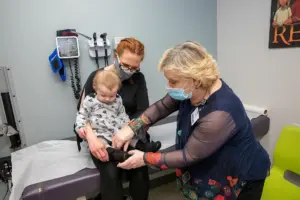
This funding is structured through two distinct agreements: US$ 300 million allocated to the WHO and US$ 200 million to UNICEF. The scale of this investment is reflective of the daunting challenges that remain in the final stages of the fight against the polio virus. The funds are earmarked to support the vaccination of approximately 370 million children every year, a logistical feat that requires the mobilization of tens of thousands of health workers across diverse and often dangerous landscapes.
The significance of this contribution cannot be overstated, particularly given the resurgence of the virus in regions that were previously thought to be stable. Conflict-affected areas, including parts of Pakistan, Afghanistan, and the Gaza Strip, have seen a concerning return of polio, threatening the progress that the global community has made over several decades. In these environments, health workers face not only the physical barriers of terrain and poverty but also the extreme risks posed by ongoing warfare and political instability. The Saudi contribution, channeled through the GPEI, provides the necessary resources to navigate these complexities, ensuring that even the most marginalized children are reached with life-saving drops.
During the signing ceremony, which included UNICEF Executive Director Catherine Russell alongside Dr. Tedros and Dr. Al Rabeeah, the atmosphere was one of shared resolve. The presence of these high-level leaders signaled a unified front, recognizing that polio eradication is not merely a medical challenge but a humanitarian imperative. For many of the world’s most vulnerable children, this funding represents the difference between a life of mobility and one defined by the permanent paralysis that the disease causes.
A Decade of Humanitarian Leadership
The Riyadh International Humanitarian Forum 2025 acted as more than a venue for signing checks; it served as a testament to the evolving role of Saudi Arabia in the global humanitarian landscape. Marking the 10th anniversary of KSRelief, the event highlighted how the center has transitioned from a national initiative into a major international actor. Over the last ten years, the organization has played an instrumental role in bridging the gap between humanitarian aid and long-term development, consistently positioning itself as a strategic partner for UN agencies.
The discussions throughout the two-day forum reflected a nuanced understanding of modern humanitarianism. It is no longer sufficient to provide emergency food aid or temporary shelter; the current climate demands sustained health diplomacy and the strengthening of national health systems. The agreements signed in Riyadh are evidence of this shift, as they focus on specific, high-impact medical interventions that build resilience within the target communities.
As the forum concluded, the consensus among attendees was clear: the interconnectedness of modern global crises requires a level of coordination that has historically been difficult to achieve. By bringing together the WHO, UNICEF, and national stakeholders under the umbrella of the Riyadh forum, the organizers succeeded in creating a platform where technical expertise, financial resources, and political will could converge.
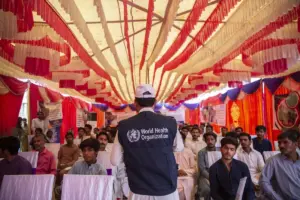
Looking ahead, the success of these new agreements will be measured by their implementation on the ground. The health workers in Yemen, the dialysis patients in Egypt, and the vaccination teams in conflict-torn regions remain the true beneficiaries of the pledges made in Riyadh. The forum successfully reaffirmed that while the challenges of malaria, cholera, and polio are immense, they are not insurmountable when the global community maintains its focus on the shared value of human life and the necessity of universal health access. Through this series of high-level engagements, the Kingdom of Saudi Arabia and its international partners have sent a clear signal that the humanitarian sector remains a priority in the global agenda, even as the world navigates an increasingly complex and fragile geopolitical landscape. The 2025 forum, therefore, stands as a critical checkpoint in the ongoing effort to ensure that healthcare is recognized as a fundamental human right, protected by the collective strength of international cooperation.