






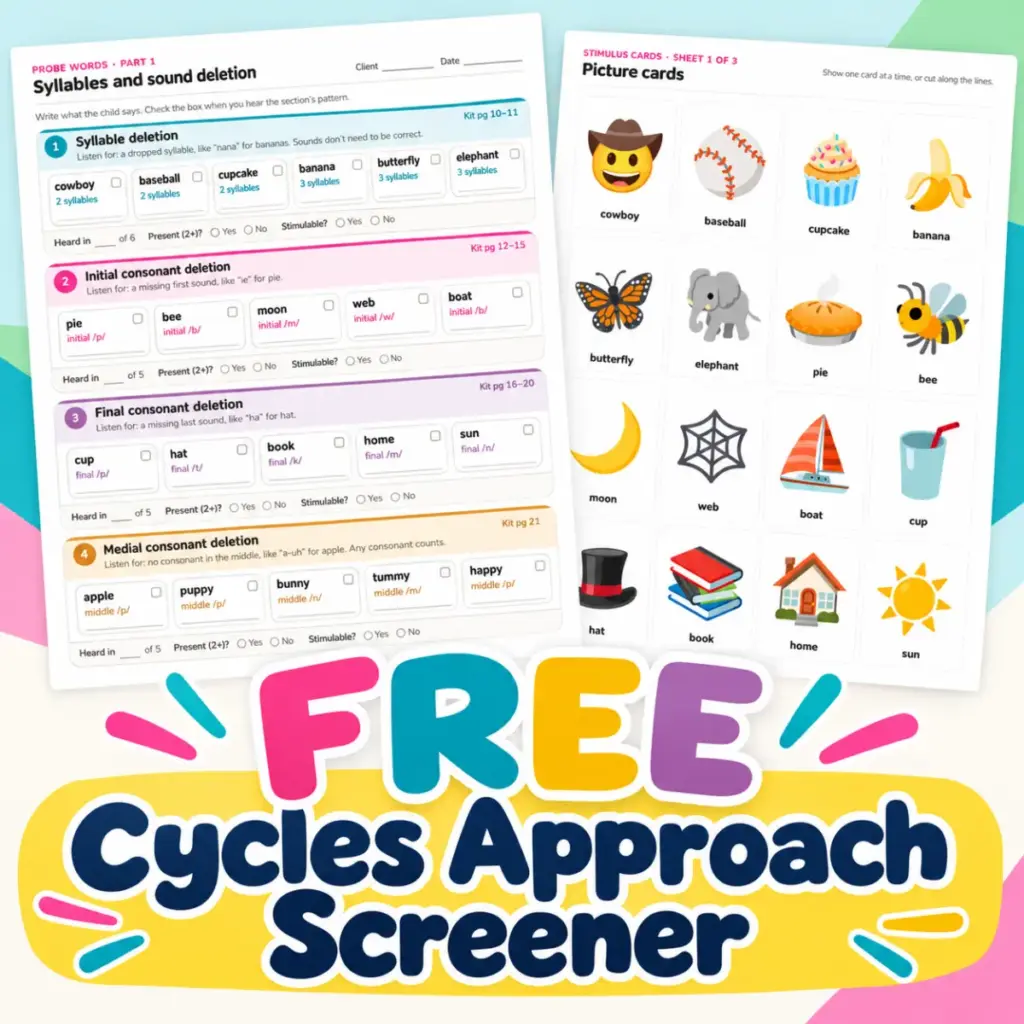
For many speech-language pathologists (SLPs) navigating the modern educational and clinical landscape, the daily reality often involves a frantic search for resources. Between managing heavy caseloads, meeting documentation requirements, and tailoring interventions to meet diverse needs, professionals frequently find themselves cobbling together lesson plans from a disparate array of digital marketplaces, such as Teachers Pay Teachers. While these platforms offer a vast inventory of individual worksheets and activities, they rarely provide the cohesive, evidence-based structure necessary for long-term clinical success. Recognizing this persistent gap in the profession, Speech and Language Kids (SLK) is doubling down on its mission to provide organized, step-by-step therapy plans designed to streamline communication intervention.
The organization, which has established itself as a pivotal resource for practitioners, is now expanding its offerings to further mitigate the burnout and administrative burden that have become synonymous with the field. By shifting away from the "patchwork" approach to therapy planning, SLK aims to make the teaching of communication skills not only more effective for children but significantly more efficient for the clinicians tasked with their care. This strategic focus on structured, comprehensive programming represents a significant evolution in how speech therapy resources are developed and disseminated.
At the heart of the Speech and Language Kids philosophy is the recognition that the modern SLP is overworked and often under-resourced. The traditional model, which forces practitioners to spend hours each week scouting for individual activities, often leads to fragmented progress tracking and inconsistent clinical outcomes. The SLK Curriculum seeks to replace this reactive style of planning with a proactive, systematic framework. By providing clinicians with a clear roadmap for therapy, the organization helps bridge the gap between initial assessment and measurable progress, allowing SLPs to spend less time on preparation and more time engaged in high-quality interaction with their clients.
The success of this approach is evidenced by the thousands of SLPs who have already integrated these structured programs into their daily practice. Feedback from the field suggests that the transition from individual, unlinked resources to a unified curriculum has had a profound impact on clinician morale. When therapists are provided with a cohesive structure, the cognitive load associated with lesson planning decreases, allowing for a more focused and intentional approach to therapy. This professional support extends beyond mere resource provision; it fosters a community of practice where SLPs can share insights, troubleshoot common challenges, and feel part of a broader movement toward more effective and sustainable clinical habits.
This community-driven aspect is central to the SLK model. By creating an environment where clinicians feel supported, the organization has managed to transform the solitary nature of many therapy roles into a collaborative experience. When therapists feel empowered and equipped with the right tools, their ability to help children achieve their communication goals naturally improves. This synergy between therapist satisfaction and child outcomes is the cornerstone of the Speech and Language Kids mission.
However, the organization is clear that its work is far from complete. In a rapidly changing healthcare and educational environment, the needs of both the practitioner and the client are constantly shifting. As technology advances and our understanding of speech-language pathology deepens, the tools used in therapy must keep pace. To that end, Speech and Language Kids has committed to a continuous cycle of innovation. This involves not only refining existing programs based on user feedback and emerging research but also the development of entirely new initiatives designed to address the evolving challenges of the profession.
The commitment to innovation is framed by a desire to better support customers—the clinicians—and, by extension, the families and children they serve. By investing in the development of robust, scalable, and adaptable therapy solutions, SLK is actively shaping the future of the speech-language pathology field. The leadership at Speech and Language Kids views their work as more than just the distribution of materials; they see it as the construction of a new standard for how communication intervention is delivered across diverse settings, from schools to private clinics.
This forward-looking perspective is underscored by an open invitation to the broader speech-language pathology community. By encouraging SLPs to join this movement, the organization is signaling that the transformation of the profession is a collective endeavor. It is a call to move beyond the limitations of isolated, one-off resources and toward a more integrated, sustainable future where therapy is defined by consistency, structure, and professional empowerment.
The current push to expand these programs comes at a critical time for the field. With increasing demand for speech therapy services and a growing emphasis on evidence-based practice, the pressure on SLPs to demonstrate measurable progress is higher than ever. The ability to rely on a structured, vetted curriculum allows clinicians to meet these high expectations without sacrificing their own professional well-being. By simplifying the planning process, SLK is not just helping therapists work "faster"—they are helping them work smarter, ensuring that every minute of therapy is optimized for the needs of the child.
As Speech and Language Kids continues to build and refine its offerings, the focus remains steadfast on the intersection of innovation and accessibility. Whether it is through the introduction of new digital tools, the refinement of existing lesson structures, or the strengthening of their supportive professional network, the goal is to ensure that the future of speech-language pathology is one where clinicians feel capable, confident, and, most importantly, supported in their vital work.
The organization’s trajectory reflects a broader trend in professional education and clinical support, where the emphasis is shifting toward comprehensive ecosystems of care rather than fragmented tools. By prioritizing the holistic experience of the SLP, Speech and Language Kids is helping to redefine what it means to practice therapy in the 21st century. The ongoing commitment to research, user-centered design, and community building ensures that as the landscape of communication disorders changes, the resources available to address them will remain relevant, effective, and ready to meet the challenges of tomorrow.
Ultimately, the goal of the Speech and Language Kids initiative is to foster a culture where therapy is no longer a source of stress, but a purposeful, well-supported journey toward improved communication. By building a future where structured support is the norm, the organization is laying the groundwork for a more resilient and effective workforce. As they continue to innovate and expand their programming, they remain focused on the ultimate beneficiaries of their work: the thousands of children who, through the efforts of well-equipped and supported clinicians, are gaining the communication skills they need to thrive. The movement to change how speech-language pathology is practiced is gaining momentum, and for those working in the field, the prospect of a more organized, less burdensome future is a welcome development.