





For decades, the standard approach to understanding the neurological underpinnings of autism spectrum disorder (ASD) has relied on a broad, aggregate view. Researchers typically compare the average brain activity of a group of autistic individuals against that of a neurotypical control group, seeking a consistent "autism signature." However, a groundbreaking study recently published in the journal JNeurosci challenges this foundational methodology, suggesting that the focus on group averages may be masking the most critical insights into the condition.
The research, led by neuroscientists Dorit Kliemann and James Traer of the University of Iowa, alongside a team of collaborators, reveals that while group averages often show striking similarities between autistic and non-autistic adults, individual brain activity tells a radically different story. When researchers look past the mean and examine the specific neurological patterns of individuals, they discover profound levels of variation among people with autism—variation that is largely absent in neurotypical cohorts. This discovery, centered on how different brains process complex, real-world stimuli, suggests that the path to better care and understanding may lie in embracing, rather than averaging out, individual differences.
Decoding the Social Brain Through Cinematic Stimuli
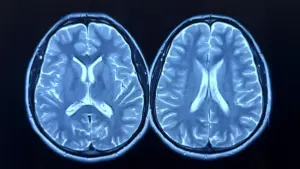
To conduct this investigation, the research team utilized a unique set of previously collected brain imaging data from Indiana University and Caltech. Rather than placing participants in a sterile, repetitive laboratory environment—which often fails to capture the chaotic, multifaceted nature of human interaction—the researchers utilized movies as a proxy for the complexity of daily life.
The participants, a cohort of autistic and neurotypical adults, were scanned while viewing a diverse array of film clips. The selection was intentionally broad, encompassing various genres from animation and action sequences to romantic comedies and the psychological tension of Hitchcockian thrillers. The goal was to subject the participants’ brains to a continuous, dynamic stream of sights, sounds, and social cues. In these cinematic environments, the brain must constantly shift its focus, processing character interactions, auditory shifts, and visual changes in real-time.
By using movies as the primary stimulus, the researchers were able to track how the brain responds to a rich, high-fidelity environment. This is a significant departure from traditional neuroimaging studies that often rely on static images or isolated tasks, such as pressing a button when a specific color appears. The team trained a sophisticated computational model to identify and map the precise connections between the brain activity observed during the scans and the specific elements of the films, such as auditory patterns, visual details, and the nuances of social interactions between characters.
Once the model was trained, it proved remarkably capable of predicting activity across several different brain systems. As Dorit Kliemann noted, this computational approach provided the team with an unprecedented lens through which to view the social challenges often associated with autism. "The computational model allowed us to look for robust brain responses to many different aspects of the complex, dynamic contexts in the movies," Kliemann explained. By deconstructing the film into its constituent parts, the model allowed the researchers to see exactly how different regions of the brain responded to specific types of information.
The Illusion of the Average Brain
The most unexpected, and perhaps most disruptive, finding emerged when the researchers shifted their focus to compare the two study groups. Initially, the results mirrored the findings of countless previous studies: when the data were averaged across all participants in the neurotypical group and compared to the averages of the autistic group, the differences appeared negligible. The model predicted activity in various neural systems for both groups with a high degree of similarity.
However, the researchers did not stop at the aggregate level. They pivoted to examine the consistency—or lack thereof—within each group. It was here that the true nature of the data became apparent. The neurotypical participants showed a high degree of consistency, with their brain responses aligning closely with one another. In stark contrast, the autistic participants exhibited a substantially higher degree of variation in their brain responses. While the "average" brain of an autistic person might have looked similar to that of a non-autistic person, the individual brains of the autistic participants were far less alike than their neurotypical counterparts.
This heightened variability was not confined to a single area; it manifested across nearly every brain system examined by the computational model. Crucially, the most pronounced differences were found in the "social brain" network—a specialized collection of regions responsible for processing social information, deciphering intentions, and navigating interpersonal interactions. This suggests that while there may be a common "social architecture" in the neurotypical brain, the way the autistic brain processes social information is highly idiosyncratic and deeply individualized.
Reimagining the Future of Autism Research
The implications of these findings for the field of autism research are profound. If the current scientific paradigm relies heavily on comparing average measurements, it may be systematically obscuring the very details that define the autistic experience. By smoothing out the data to find a representative "mean," researchers may be losing the signal in the noise.
James Traer expressed the team’s surprise at the results, noting that the similarity of the group averages was initially misleading. "We were surprised by the similarity of group averages," Traer said. "The results suggest that we need to focus on understanding the details of individual brain responses. How and why do they differ?"
This realization shifts the burden of proof for future studies. Rather than continuing to search for a singular, universal pattern of brain activity that characterizes all individuals with autism, the findings suggest that the scientific community should pivot toward a more granular approach. The future of autism research may lie in identifying smaller, more cohesive subgroups—clusters of individuals who share similar neurobiological characteristics or patterns of processing—rather than treating the entire spectrum as a monolithic entity.
This move toward precision medicine and personalized understanding could revolutionize how care and support are provided. As Kliemann emphasized, identifying these ASD subgroups could be the key to moving beyond generic diagnostic frameworks. "Identifying ASD subgroups may help us build a more precise understanding of the condition and help develop ways to provide individually tailored support," she stated.
Looking ahead, the researchers are already planning the next phase of their work. They intend to investigate how the observed differences in brain activity correlate with specific behavioral traits in autistic individuals. By bridging the gap between high-level neural activity and observable human behavior, the team hopes to pinpoint exactly where and when these differences emerge and what developmental or genetic factors might underpin them.
The study serves as a potent reminder that in the study of the human brain, the average is rarely the whole story. By moving beyond the comfort of the aggregate, researchers are beginning to uncover the complex, diverse, and deeply individual ways in which people with autism navigate the world. As the scientific community continues to peel back the layers of these neurological variations, the goal remains clear: to replace broad generalizations with a nuanced, personalized understanding that honors the distinct experiences of every individual on the autism spectrum.