








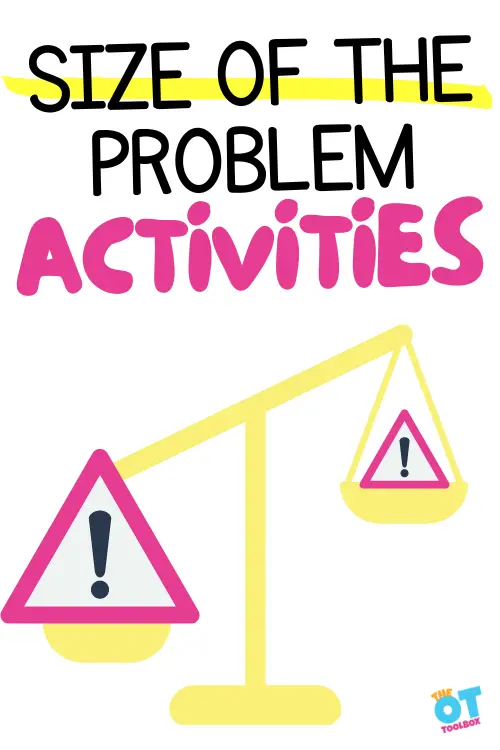
In classrooms, therapy clinics, and family living rooms, adults are increasingly turning to a social-emotional learning framework known as the "Size of the Problem" to help children make sense of everyday challenges. Developed as a practical tool for strengthening executive functioning and self-regulation, the approach teaches children how to categorize the scale of an obstacle they are facing and match it with an appropriately measured reaction.
Proponents of the framework note that young children often struggle to gauge the true magnitude of what is happening around them. Dropping a crayon during art class or misplacing a television remote can trigger the same emotional distress as a significant life disruption. The "Size of the Problem" strategy seeks to bridge this gap by helping kids evaluate whether an issue is small, medium, or big, allowing them to formulate a proportional response rather than becoming overwhelmed by immediate frustration.
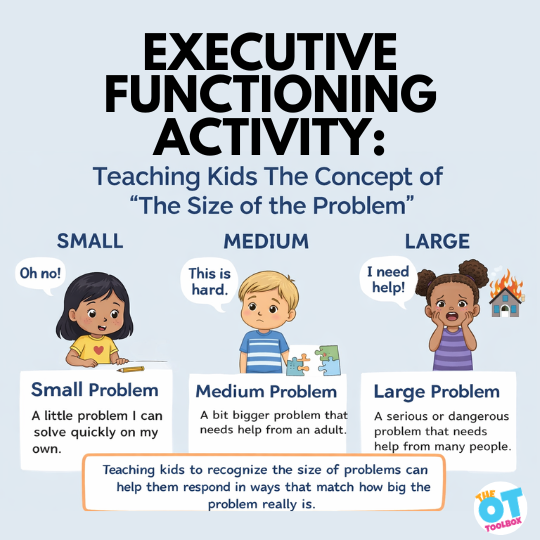
According to child development specialists, emotional regulation and executive function are deeply intertwined. As children encounter unexpected hurdles throughout their daily routines, they must learn to pause, assess the situation, regulate their emotional affect, and deploy a suitable problem-solving strategy. Because executive function develops gradually over time, teaching these skills requires patience, repetition, and a supportive environment where children feel validated in having big feelings, even when faced with minor inconveniences.

How the Framework Works in Daily Settings
The concept divides challenges into distinct tiers to help children visualize abstract emotional concepts. Small problems are typically everyday inconveniences that can be resolved quickly and independently, such as losing a household item or needing an alternative ingredient for a meal. These occurrences generally call for small reactions and basic problem-solving strategies, offering low-stakes opportunities for children to practice resilience.
Medium problems encompass situations that may cause disappointment, frustration, or sadness, often requiring guidance from an adult or peer, but lacking emergency status. Examples include having a disagreement with a friend at recess or missing a school assignment. While these scenarios require communication and adult support, they serve as vital learning moments for building social competence and time-management skills.
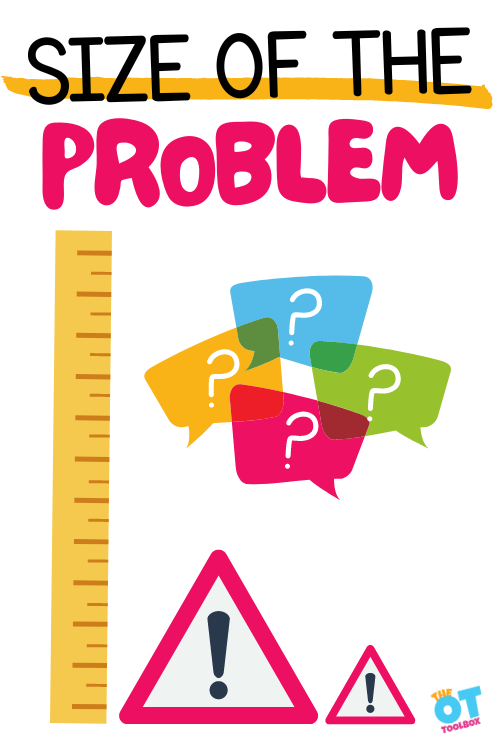
Big problems involve safety concerns, family emergencies, or significant life transitions. These high-impact events require immediate adult intervention, emotional support, and intensive coping strategies. By clearly defining these tiers, educators and parents can help children understand that not every stressful moment demands the same level of emotional energy.
Application Across Environments
The adaptability of the framework makes it a popular resource across multiple environments, including homes, schools, and therapeutic practices. In a home setting, daily disruptions—such as running late for the school bus or misplacing essential items like a swim class uniform—provide natural opportunities for co-regulation. Parents can guide children through mood modulation, helping them talk through their frustrations and brainstorm alternative solutions rather than escalating into a state of panic.
Similarly, school environments frequently utilize the concept within calm-down areas, emotions check-ins, and small-group counseling sessions. When students face academic pressures, such as missing homework, or social challenges on the playground, teachers can reference the framework to guide the student toward responsible behavior without dismissing the genuine frustration the child may be experiencing.
Specialists emphasize that identifying the size of a problem is not intended to invalidate a child’s feelings. It is entirely normal for a child to feel intensely upset over seemingly minor issues, and acknowledging those emotions is a crucial step in the learning process. Rather than arguing over the appropriate level of response, the goal of the curriculum is to accept the child’s feelings and subsequently offer constructive tools for what to do next.
Building Emotional Vocabulary and Coping Tools
A core component of teaching this framework involves expanding a child’s emotional vocabulary. Instead of relying on broad terms like "mad" or "upset," children learn more precise descriptors—such as frustrated, disappointed, worried, or nervous—allowing them to communicate their internal states more effectively and select targeted coping mechanisms.
As children learn to match the intensity of their coping strategies to the size of the problem, they develop greater cognitive flexibility and independence. Whether through visual sorting activities, structured task cards, or reading children’s literature centered on problem-solving characters, the framework equips young learners with the essential life skills needed to navigate the complexities of school, home, and social interactions with confidence.