







WASHINGTON, DC — ZERO TO THREE, the nation’s leading early childhood development nonprofit dedicated to ensuring that all infants and toddlers have a strong start in life, has expressed strong encouragement regarding President Biden’s proposed fiscal year 2025 budget. The organization highlighted that the federal spending blueprint includes essential and much-needed funding for programs designed to build a solid foundation for young children and their families across the United States.
The announcement comes as early childhood advocates evaluate the broader impacts of the administration’s funding priorities on vulnerable populations, particularly society’s youngest members. According to leadership at ZERO TO THREE, the new budget proposal represents a significant step forward in addressing systemic gaps that have historically left infants, toddlers, and their caregivers underserved by federal policy.
Miriam Calderón, Chief Policy Officer at ZERO TO THREE, emphasized the transformative potential of the spending plan during a recent assessment of the administration’s policy agenda.

"If implemented, President Biden’s budget released today will make our nation a better and fairer nation to have and raise a baby," said Calderón. "ZERO TO THREE has urged Congress and the Administration to prioritize the needs of babies and their families in five key areas: maternal health, infant and early childhood mental health, child care, housing, and economic security."
Calderón noted that the administration’s latest proposals build directly upon commitments outlined in the recent State of the Union address. During that address, the President laid out a vision for a future where families are economically empowered and given meaningful choices regarding their children’s upbringing and development. The fiscal year 2025 budget translates those broad strategic goals into concrete funding mechanisms targeting multiple facets of early childhood growth and family stability.
The proposed investments target a comprehensive array of services intended to support babies and strengthen families during the most critical developmental window of human life. From expanding access to affordable child care options that ease the financial burdens on working parents to bolstering maternal healthcare infrastructure to reduce preventable complications, the budget addresses interconnected issues that directly influence infant well-being. Additionally, targeted investments in infant and early childhood mental health recognize that emotional and psychological support must begin in the earliest months of life to foster long-term resilience and cognitive health.

Furthermore, the integration of housing and economic security measures within the budget acknowledges that a child’s early environment is inextricably linked to family stability. Financial security policies, such as expanded tax credits and supportive housing initiatives, aim to reduce the toxic stress associated with poverty, which research consistently shows can disrupt neurological development in infants and toddlers.
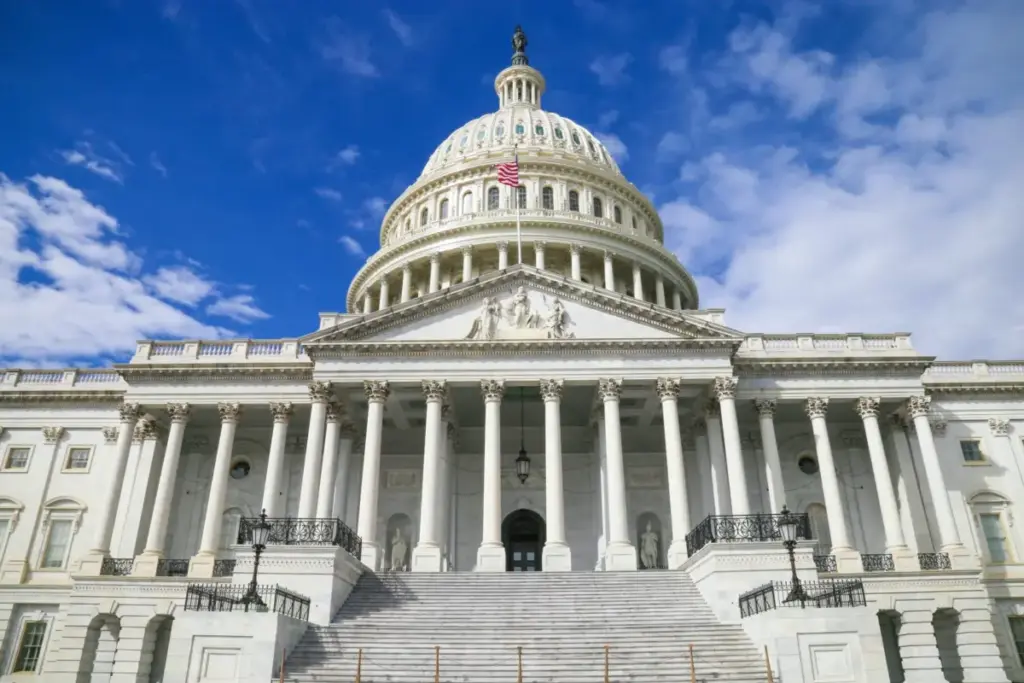
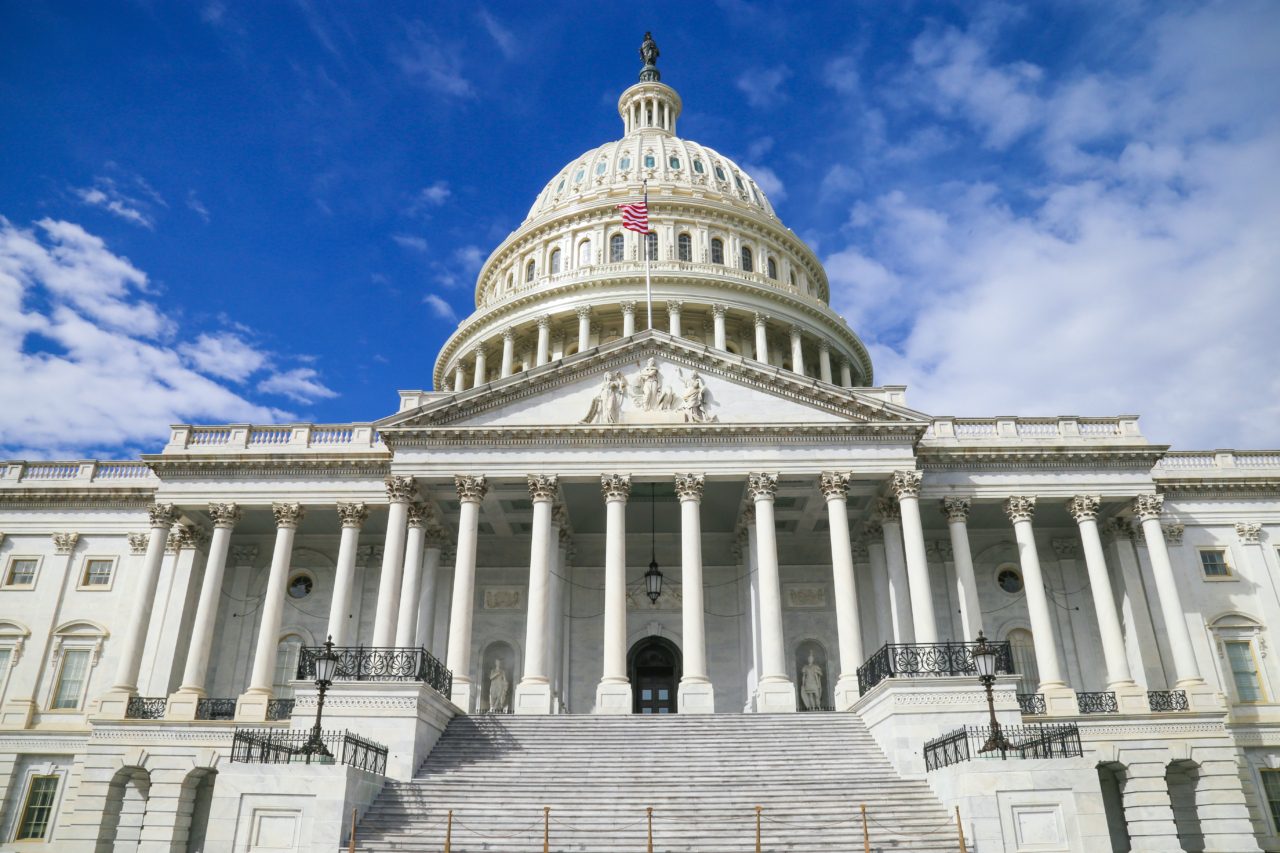
As the federal budget process moves forward, advocacy organizations are turning their attention to Capitol Hill, where the ultimate fate of these funding proposals will be decided through negotiations between congressional appropriators and the administration.
"Now, Congress must work with the Administration to deliver for families and babies," Calderón continued, underscoring the urgency of legislative action. "We look forward to working with congressional appropriators and our baby champions on the Hill to make these bold proposals a reality."

The path from a presidential budget proposal to enacted legislation involves rigorous debate and compromise within Congress. ZERO TO THREE and its network of early childhood advocates intend to maintain sustained engagement with lawmakers to ensure that the vital programs highlighted in the fiscal year 2025 budget retain their funding levels or see appropriate enhancements as the appropriations bills take shape. For families and advocates invested in early childhood development, the upcoming legislative months will prove critical in determining whether these national investments translate into tangible improvements in the daily lives of infants, toddlers, and their caregivers nationwide.