







WASHINGTON, DC — ZERO TO THREE, the nation’s leading early childhood development nonprofit dedicated to ensuring that all infants and toddlers are provided a strong start in life, has voiced strong encouragement regarding President Biden’s proposed fiscal year 2025 budget. The organization highlighted that the federal spending blueprint includes essential and much-needed funding for programs designed to build a solid foundation for young children and their families across the United States.
The announcement comes as early childhood advocates evaluate the administration’s broader legislative and budgetary priorities for the upcoming fiscal year. By focusing heavily on the earliest stages of human development, the proposed federal budget signals a notable alignment with the policy recommendations that organizations like ZERO TO THREE have championed for years on Capitol Hill and within various federal agencies.
Miriam Calderón, Chief Policy Officer at ZERO TO THREE, emphasized the transformative potential of the spending plan if enacted by lawmakers in Washington.
“If implemented, President Biden’s budget released today will make our nation a better and fairer nation to have and raise a baby,” said Calderón. “ZERO TO THREE has urged Congress and the Administration to prioritize the needs of babies and their families in five key areas: maternal health, infant and early childhood mental health, child care, housing, and economic security.”
Calderón noted that the administration’s budgetary priorities build directly upon themes previously highlighted on the national stage. During the recent State of the Union address, President Biden outlined a vision for the future aimed at empowering families and ensuring they have meaningful choices regarding their children’s upbringing and early development.
“And, in last week’s State of the Union address, the President laid out a path toward a future where families are empowered and have choices about their baby’s future,” Calderón added. “This proposed budget expands on this vision with proposals that address all facets of young children’s development.”
The comprehensive nature of the President’s budget proposal reflects an understanding that early childhood development cannot be addressed through isolated programs alone. Instead, the framework put forward by the administration seeks to intertwine economic support for households with targeted interventions in health care, mental health services, and early education environments. For infant and toddler advocates, this holistic approach represents a vital shift in how federal policy addresses the needs of the youngest Americans, whose brain architecture and developmental trajectories are shaped fundamentally during the first three years of life.

The administration’s focus on maternal health within the budget is viewed as a critical component of ensuring positive outcomes for infants. Supporting mothers before, during, and after childbirth directly impacts infant survival rates, healthy birth weights, and long-term developmental milestones. Similarly, proposed investments in infant and early childhood mental health aim to equip caregivers, pediatricians, and early learning professionals with the tools necessary to identify and address emotional and behavioral needs during infancy, a period when foundational social-emotional skills begin to take root.
Child care accessibility and affordability also form a cornerstone of the proposed economic and social investments. For working parents of infants and toddlers, finding high-quality, reliable care remains one of the most significant financial and logistical challenges they face. The federal investments outlined in the budget seek to alleviate this burden, enabling parents to maintain workforce participation while knowing their children are in safe, nurturing, and developmentally enriching environments.
Furthermore, housing stability and broader economic security measures included in the administration’s plan recognize that poverty and housing insecurity are among the most persistent threats to healthy early childhood development. Chronic stress experienced by families struggling to meet basic survival needs can have long-lasting, adverse physiological and psychological effects on developing infants. By targeting resources toward economic relief and stable housing, the proposed budget addresses the root environmental factors that often impede a child’s potential before they even reach kindergarten.
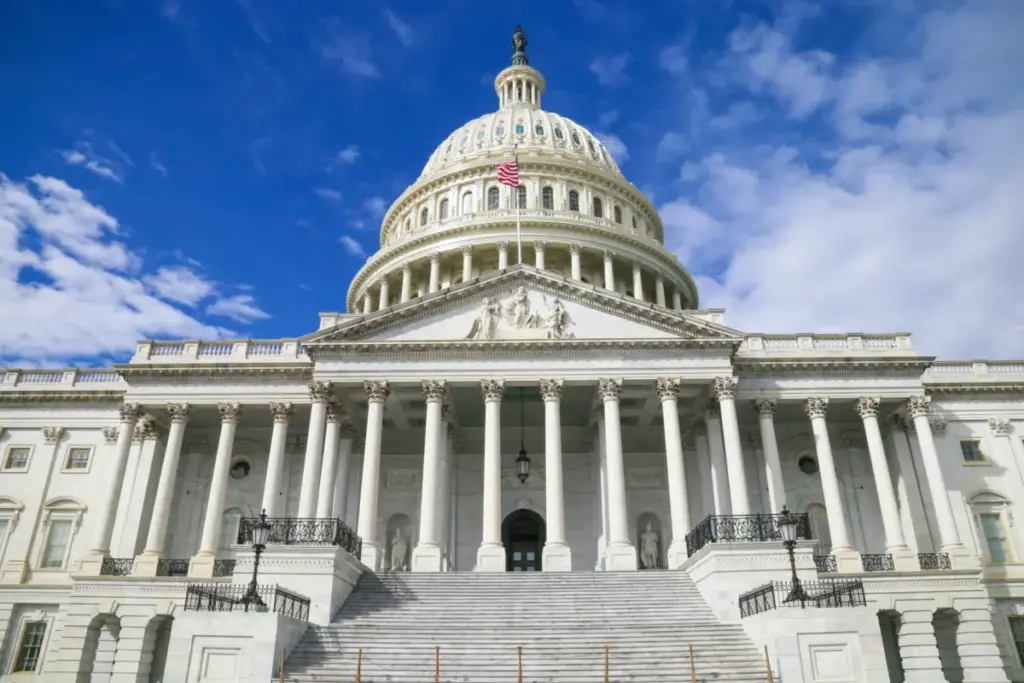
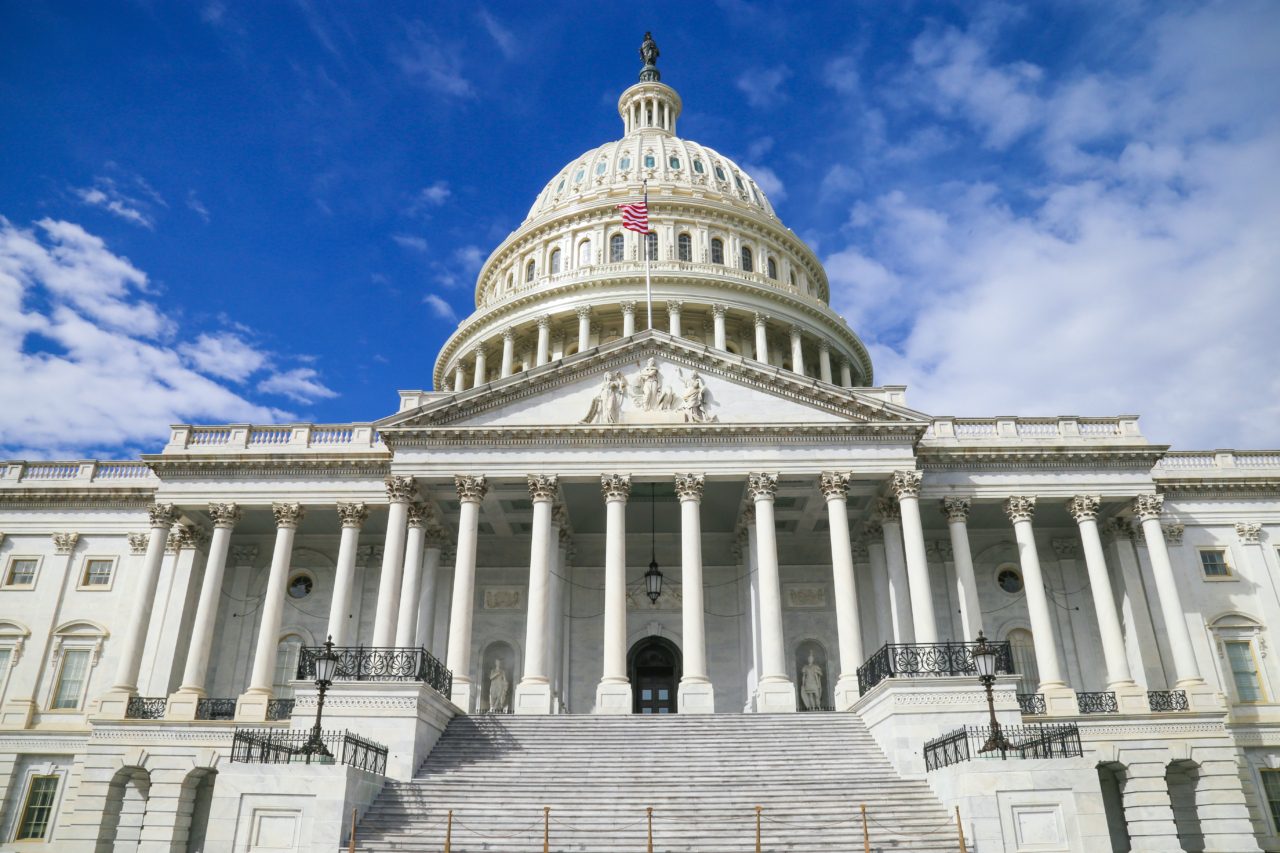
As the budget moves through the legislative process, attention now shifts to Capitol Hill, where federal lawmakers will debate, modify, and ultimately vote on spending bills for the upcoming fiscal year. The advocacy community, led by organizations such as ZERO TO THREE, is preparing for extensive engagement with congressional leaders to ensure that the proposed funding levels for early childhood programs are preserved or enhanced.
“Now, Congress must work with the Administration to deliver for families and babies,” Calderón said, stressing the importance of bipartisan collaboration on legislative priorities that affect the nation’s youngest citizens. “We look forward to working with Congressional appropriators and our baby champions on the Hill to make these bold proposals a reality.”
The path forward will require sustained advocacy and bipartisan cooperation among lawmakers who recognize that investments in early childhood yield substantial long-term dividends for society, including improved educational attainment, enhanced workforce productivity, and stronger overall public health outcomes. For ZERO TO THREE and its supporters, the release of the fiscal year 2025 budget marks an important milestone in the ongoing effort to place babies and families at the center of national policymaking.