







As the long-awaited summer months approach, parents, educators, and therapy providers often face the unique challenge of maintaining structure when familiar school routines disappear. To help children navigate this transition, pediatric occupational therapy experts have updated and expanded comprehensive resources designed to incorporate therapeutic sensory processing activities into everyday summer life.
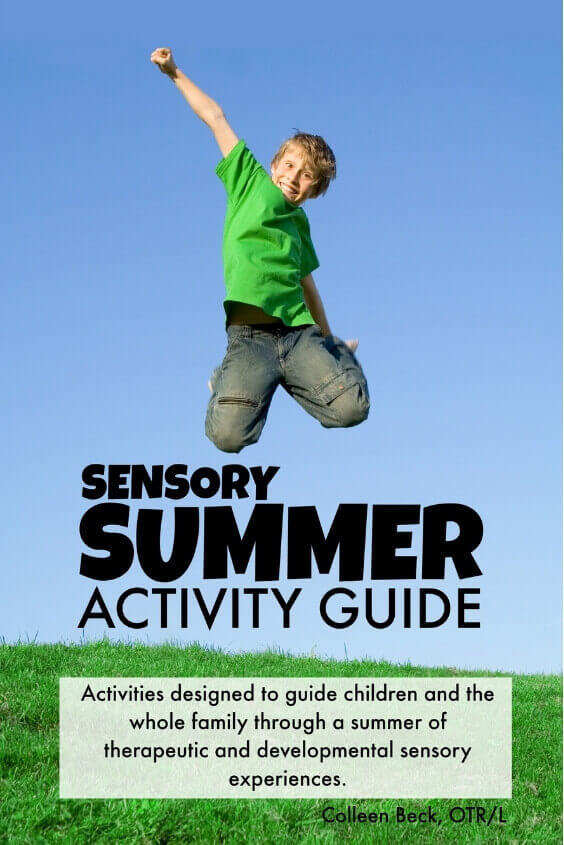
Created by pediatric occupational therapist Colleen Beck, OTR/L, founder of The OT Toolbox, the newly updated Summer Sensory Activity Guide and accompanying resource bundles aim to provide practical, accessible strategies for home use, summer school classrooms, and camp environments. The initiative addresses a common concern among families: the tendency for children to spend excessive time on phones, tablets, or video games during unmanaged seasonal breaks, which can disrupt sensory regulation and self-regulation skills.
Unlike traditional, complex sensory diets that can be difficult for busy families to maintain, the newly highlighted resources emphasize simple, everyday household items and natural outdoor environments. From a trip to the local playground to a day spent digging in backyard dirt, experts note that summer offers countless opportunities for sensory-rich experiences that do not require expensive equipment.

The guidance is categorized across major sensory systems, helping adults tailor activities to meet a child’s specific neurological needs. Proprioceptive activities, which involve the body’s sense of position in space, are highlighted as essential for developing body awareness, coordination, motor planning, and self-regulation. During the summer, simple heavy work tasks—such as carrying buckets, digging in the sand, pushing wagons, climbing playground equipment, or helping with yard work—provide the necessary heavy work input to organize the nervous system, thereby supporting attention and readiness for learning.
Similarly, the vestibular system, which governs balance, head position, and movement, can be actively engaged through outdoor play. Swinging, rolling down grassy hills, jumping through obstacle courses, swimming, and riding scooter boards provide vital vestibular input. Experts emphasize that replacing unstructured screen time with these dynamic movement experiences helps support postural control, visual attention, and healthy sensory processing.
Tactile and oral motor development are also central to the summer programming. Natural environments provide endless opportunities for tactile exploration through sand, water, grass, mud, and finger painting, which help children process touch while strengthening finger dexterity. Meanwhile, oral motor activities—such as drinking smoothies through straws, blowing bubbles, enjoying crunchy fruits and vegetables, or playing with pinwheels—strengthen the muscles used for speech, breathing, and feeding, while offering calming sensory input.
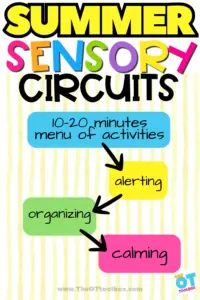
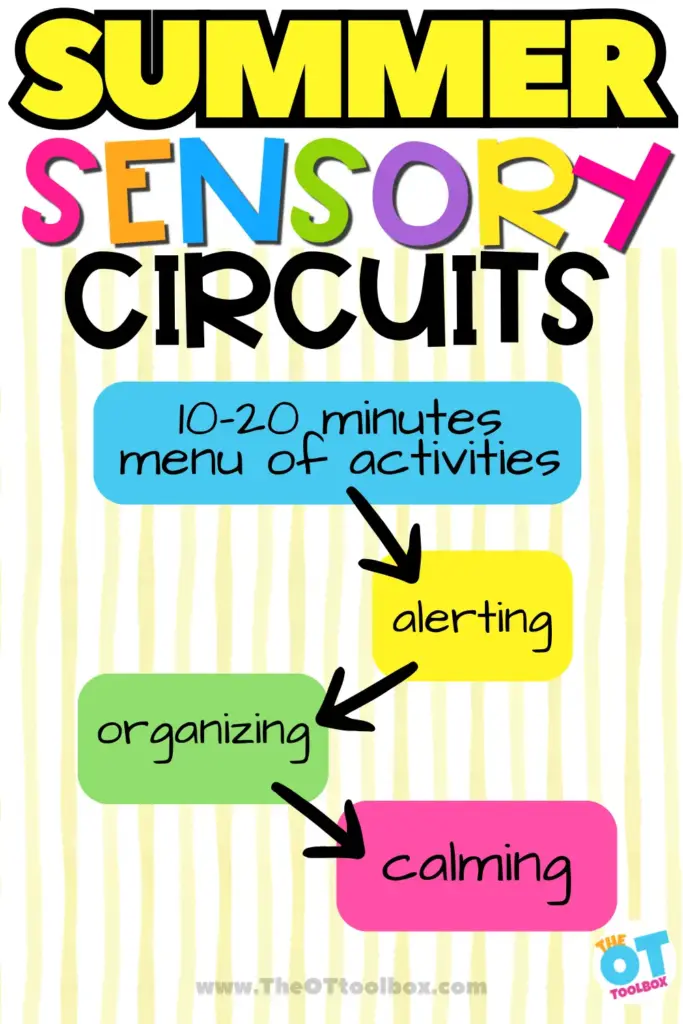
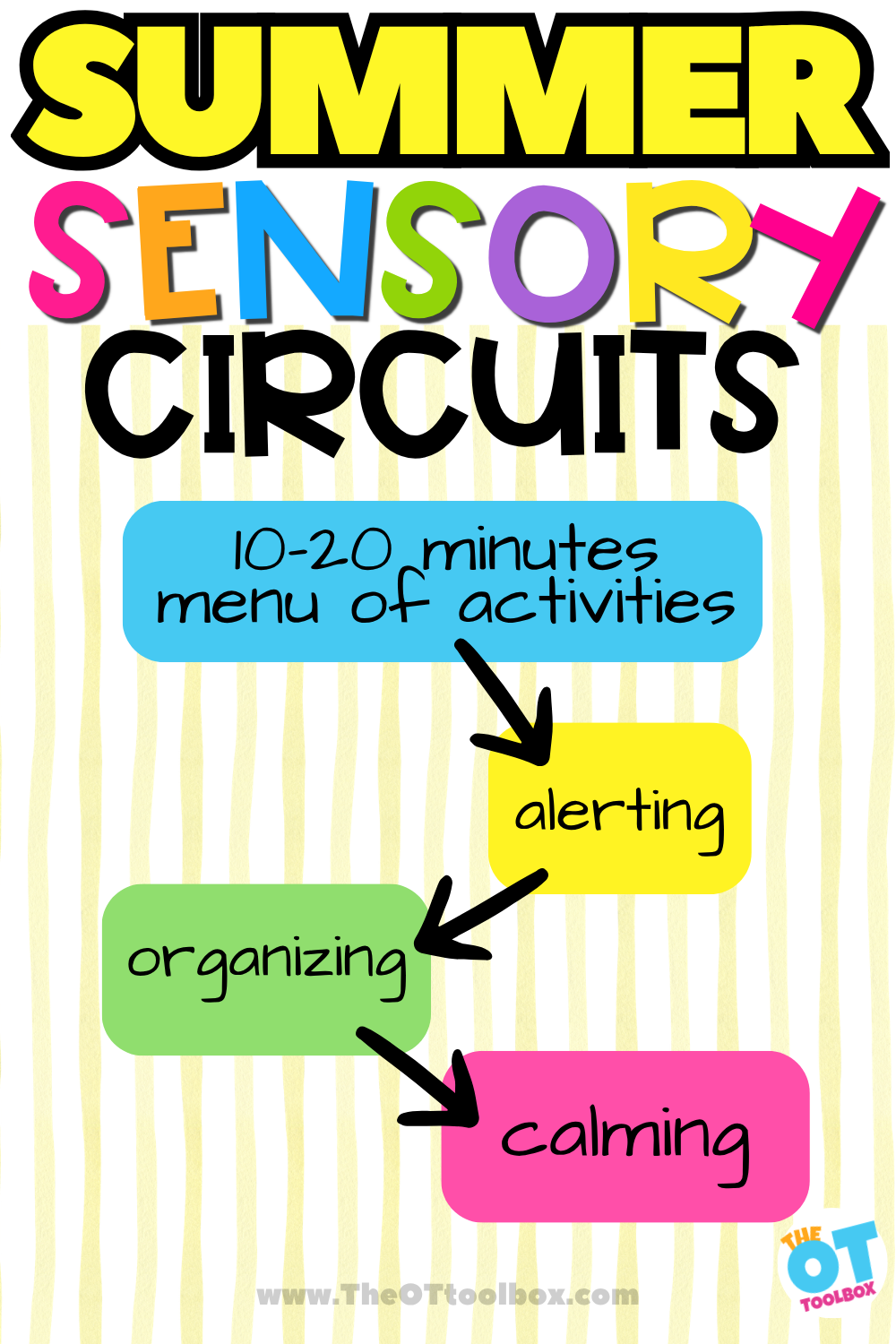
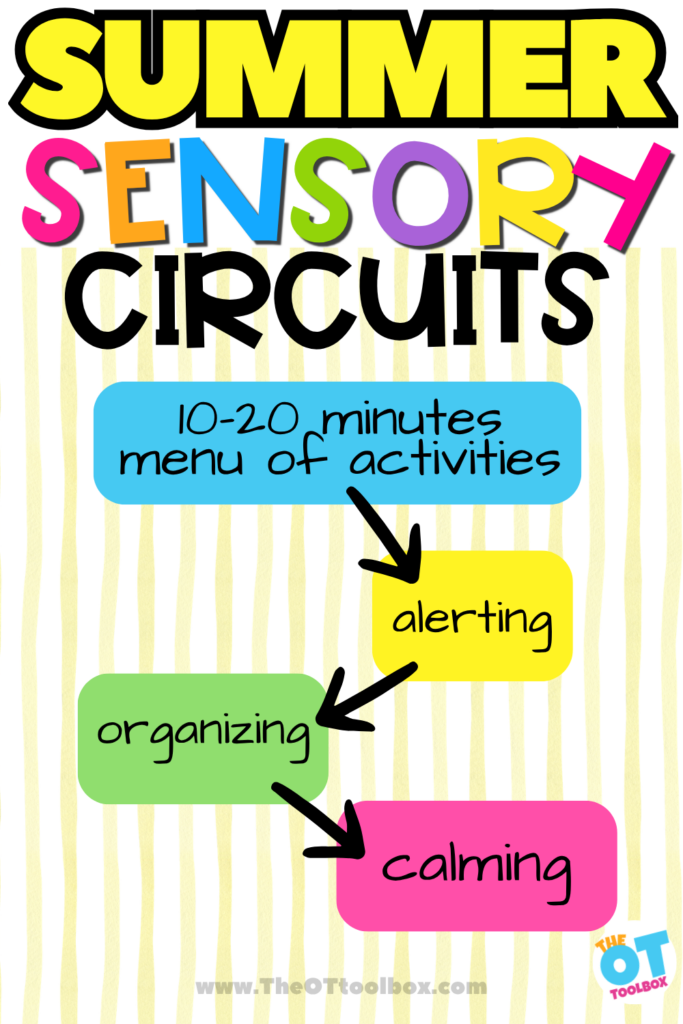
To make these strategies actionable for parents and teachers, the materials introduce the concept of the "sensory circuit." Designed as a predictable, structured 10-to-20-minute routine, a sensory circuit simplifies sensory integration into an easy-to-follow sequence. By intentionally moving through specific phases—starting with alerting activities to wake up the system, moving to organizing activities to build focus and coordination, and finishing with calming deep-pressure activities—children can achieve the "just right" level of alertness needed to handle transitions smoothly.

Experts suggest that incorporating these routines first thing in the morning or immediately following a chaotic midday break can provide a stabilizing anchor for children during unstructured vacation days. The approach mirrors sensory routines utilized by adults, where structured morning habits help regulate the nervous system before addressing the day’s demands.
In addition to individual sensory systems and circuits, the updated resources feature a wide array of thematic activities utilizing inexpensive items like pool noodles, sidewalk chalk, hula hoops, and natural materials collected outdoors. Water play and sensory bins are also emphasized as low-prep, highly engaging methods to support hand strength, bilateral coordination, and visual-motor integration during the hot summer months.
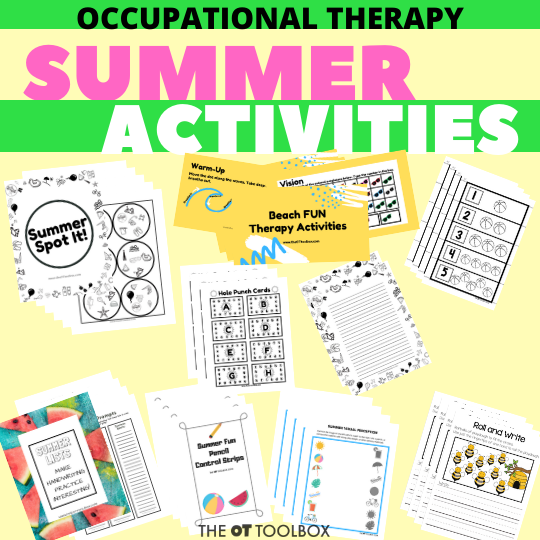
To support the implementation of these programs across home and clinical settings, The OT Toolbox has made these comprehensive materials available through specialized collections, including the Summer Occupational Therapy Activities Packet and the broader Summer OT Bundle. These resources provide therapists, teachers, and parents with ready-to-go printables, teletherapy slide decks, handwriting practice lists, and camp planning guides designed to foster skill development and creativity throughout the season.