





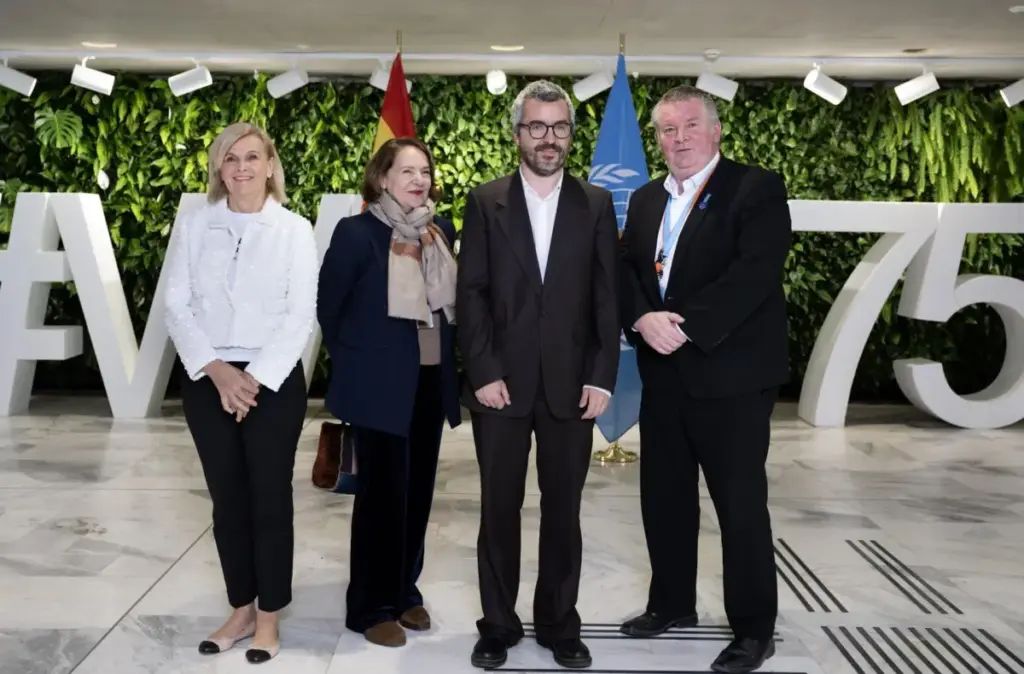
The World Health Organization (WHO) recently welcomed Mr. Javier Padilla Bernáldez, Spain’s Secretary of State for Health, alongside a high-level delegation, for a two-day strategic engagement at WHO headquarters. Held on April 23 and 24, 2024, the high-level meetings focused on deepening collaboration across a broad spectrum of pressing global health priorities, ranging from universal health coverage and pandemic preparedness to organ transplantation and the eradication of tropical diseases.
The visit provided a vital platform for leadership from both institutions to review ongoing initiatives, evaluate joint strategic plans, and align their shared visions for achieving health for all. Spain’s active diplomatic and technical engagement with the WHO underscores Madrid’s steadfast commitment to international solidarity and multilateralism in addressing contemporary public health challenges.
During the extensive discussions, the delegations placed significant emphasis on universal health coverage and the comprehensive strengthening of national health systems. Participants explored strategies to ensure that populations everywhere can access quality essential health services without facing financial hardship. Central to these conversations was the critical role of primary health care as the foundation of sustainable health systems, alongside initiatives aimed at securing equitable access to safe, effective medicines and health products.
Furthermore, the high-level dialogue addressed vital public health determinants and preventative measures, including robust frameworks for tobacco and alcohol control, nutritional standards, food safety, and the promotion of healthy lives across all age groups. The delegations also addressed the broader social determinants of health and the complex challenges posed by climate change, reflecting a modern, holistic approach to global well-being.
A key cornerstone of the bilateral discussions centered on WHO’s renowned Transplantation Program. As a recognized global leader in the field of organ and tissue transplantation, Spain plays an indispensable role in shaping international standards. Through its Ministry of Health, Spain has long shared its unparalleled expertise to help nations develop sustainable, self-sufficient organ transplant systems. The meetings in Geneva allowed WHO and Spanish officials to review ongoing efforts to increase the availability of human cells, tissues, and organs while strictly upholding ethical access, safety, quality, efficacy, and rigorous regulatory oversight.
Beyond transplantation, the discussions covered a wide array of disease-specific initiatives and emergency response frameworks. The delegates reviewed international efforts to combat malaria and other neglected tropical diseases that disproportionately affect vulnerable populations, as well as ongoing global campaigns to achieve the final eradication of polio—an initiative where Spain has historically served as a steadfast champion and financial supporter. Health workforce development, emergency preparedness, and the strengthening of institutional capacities for epidemic and pandemic response were also thoroughly examined, drawing crucial lessons from recent global health crises.
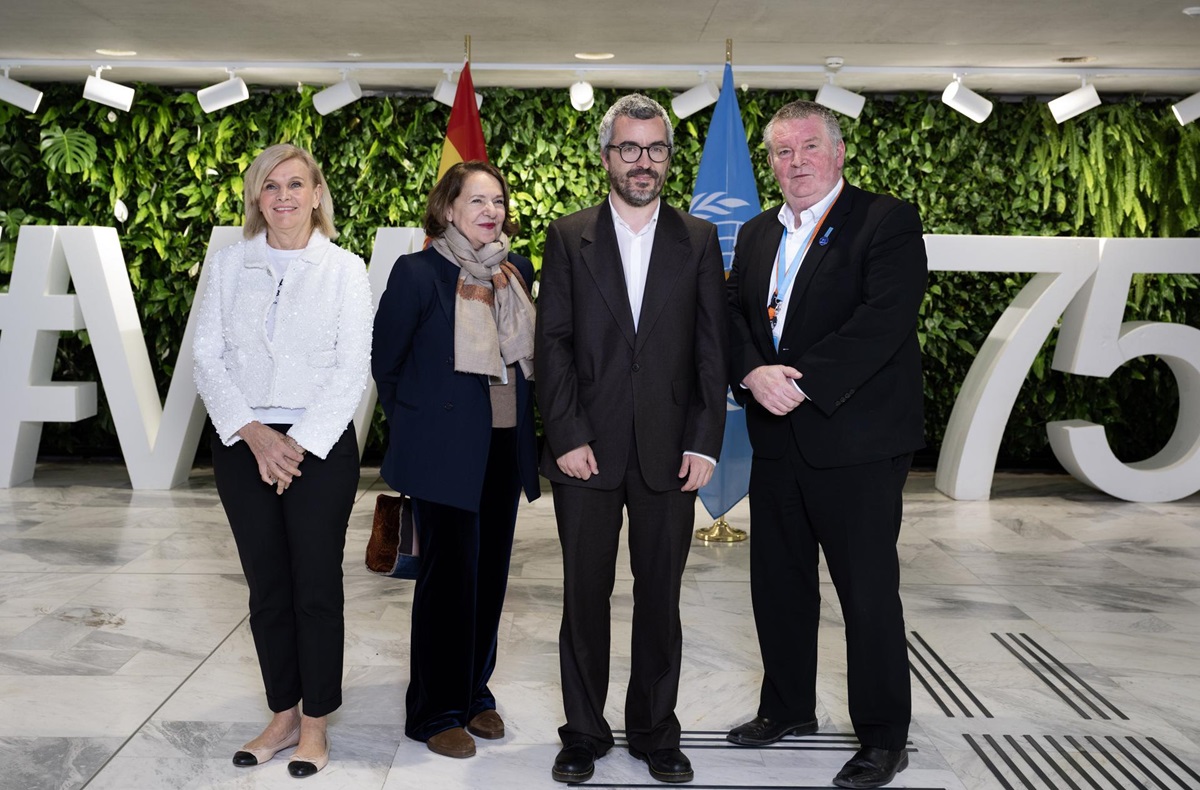
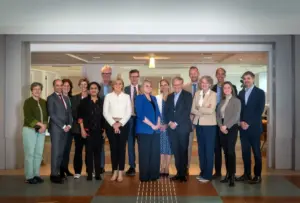
Mr. Javier Padilla Bernáldez led a distinguished and comprehensive Spanish delegation to Geneva. He was accompanied by key officials from the Ministry of Health, including Ms. Paola Cannata Molero, Director of the Cabinet of the Secretary of State for Health; Mr. Jacobo Fernández Álvarez, Technical Secretary General; Mr. Héctor Tejero Franco, Advisor in the Cabinet of the Minister of Health and Responsible for Health and Climate Change; and Mr. Roberto Carro Vázquez, Senior Technician of the Office of the Secretary of State for Health.
The delegation was further bolstered by high-ranking representatives from Spain’s Permanent Mission to the United Nations Office and Other International Organizations in Geneva. This diplomatic representation included H.E. Ambassador Ms. A. Díaz-Rato Revuelta, H.E. Ambassador Ms. Clara Cabrera Brasero, and Counsellor Ms. María del Carmen Martínez de la Peña, highlighting the integral role of diplomatic channels in facilitating technical cooperation between Spain and the WHO.
To advance these multifaceted agendas, the Spanish delegation engaged in strategic bilateral meetings with several members of WHO’s senior management team. These included Dr. Ailan Li, Assistant Director General for Universal Health Coverage and Healthier Populations; Dr. Catharina Boehme, Assistant Director General for External Relations and Governance; Dr. Yukiko Nakatani, Assistant Director General for Access to Medicines and Health Products and Acting Assistant Director General for Antimicrobial Resistance; and Dr. Michael Ryan, Deputy Director-General and Executive Director for the WHO Health Emergencies Programme. Other notable WHO figures, such as Dr. Maria Neira, Director of Environment, Climate Change and Health, also participated in the dialogues, ensuring cross-sectoral alignment between environmental sustainability and public health outcomes.
Throughout the two-day engagement, WHO leadership and technical teams expressed profound gratitude to the government and people of Spain for their enduring financial and technical support. Officials noted that Spain’s contributions during the previous biennium were instrumental in advancing several core organizational mandates. These included measurable improvements in access to essential health services and medicines, pioneering actions to mitigate the health impacts of climate change, and the creation healthier living environments. Furthermore, Spain’s investments have significantly enhanced country-level capacities in public health data analytics and innovative health solutions.
Spain’s steadfast backing has also heavily reinforced WHO’s operational reach in humanitarian contexts. Through its contributions to WHO’s Health Emergency Appeal, Spain has actively assisted in protecting health systems during acute crises, helping vulnerable communities break recurring cycles of poverty and instability. By bolstering global readiness, prevention, and response mechanisms, Spain has proven to be an indispensable ally in safeguarding international health security against sudden epidemics and protracted humanitarian emergencies.
As the discussions concluded, WHO officials reaffirmed their appreciation for Spain not only as a technical leader in specialized fields like organ transplantation, but as a reliable, visionary partner in the overarching pursuit of global health equity. The fruitful exchanges in Geneva have laid a robust foundation for continued collaboration, ensuring that Spain and the WHO will remain closely aligned as they tackle the evolving landscape of 21st-century public health challenges and work toward a healthier, safer future for communities worldwide.