







In a significant move to fortify global health information systems and address the critical data gaps exposed by the COVID-19 pandemic, the World Health Organization (WHO) has officially unveiled the "SCORE for Health Data Technical Package." This initiative represents a comprehensive, harmonized framework designed to assist countries in gathering, analyzing, and utilizing health data to drive strategic action, improve health outcomes, and enhance emergency response capabilities worldwide.
The launch of the SCORE package comes at a time when the global community is grappling with the profound limitations of existing health information infrastructures. While the necessity of high-quality data for effective governance is widely acknowledged, many nations continue to struggle with the dual challenge of lacking the physical infrastructure required to routinely collect health data and the analytical capacity to transform that data into actionable public health intelligence. The COVID-19 pandemic has served as a sobering catalyst, underscoring that the ability to track, measure, and respond to health crises is not merely an administrative requirement, but a fundamental pillar of national security and public welfare.
"Countries must be able to measure progress to make progress," stated WHO Director-General Dr. Tedros Adhanom Ghebreyesus during the announcement. Emphasizing the inextricable link between reliable data and effective crisis management, Dr. Tedros noted, "Particularly during COVID-19, reliable data is the best way to coordinate response efforts and improve health in all areas."
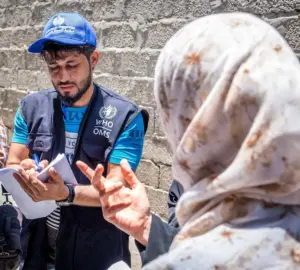
The philosophy underpinning the SCORE initiative is rooted in the understanding that accurate health data is the cornerstone of informed decision-making. By providing a clear picture of a population’s health status, these systems allow governments to understand specific local needs, identify disparities, and ensure that scarce financial and medical resources are directed to the areas where they are needed most. Without this clarity, health policies often remain reactive rather than proactive, leaving populations vulnerable to preventable diseases and systemic health failures.
The acronym SCORE stands for Survey, Count, Optimize, Review, and Enable. This technical package is designed to improve the availability of timely, reliable, validated, and comparable health data across all WHO member states. For the first time, the global health community has access to a single, integrated resource that represents all the key elements required for optimizing the performance of health information systems. By simplifying complex processes and establishing universal benchmarks, SCORE serves as a roadmap for governments striving to elevate their national healthcare standards.
The development of this package was a direct response to the glaring deficiencies in data availability highlighted by the WHO World Health Statistics 2020 report. To address these gaps, the SCORE package incorporates more than 90 universally accepted tools and standards, providing a robust, evidence-based foundation for countries to strengthen their statistical and health monitoring systems.
This initiative is the result of a strategic partnership between the World Health Organization and the Bloomberg Philanthropies Data for Health Initiative. The collaboration reflects a shared commitment to empowering national governments with the high-quality, essential technical guidance needed to build sustainable and resilient data architectures.
"Using data to inform public health priorities and strategies has never been more important," said Dr. Kelly Henning, Director of Public Health Programs at Bloomberg Philanthropies. "The SCORE Technical Package provides country governments around the world with high-quality, essential technical guidance so that countries can strengthen their own data systems."
The urgency of this mission was further echoed by Dr. Samira Asma, Assistant Director-General for Data, Analytics and Delivery for Impact at the WHO. Reflecting on the broader implications for international development goals, Dr. Asma emphasized that the current moment represents a critical window of opportunity that cannot be squandered. "We must keep score to save lives," she remarked. "WHO is committed to working with countries and partners to rapidly scale up capacity for data collection and use in order to improve policy and performance. We must act now to invest in statistical systems in countries, respond to this pandemic and meet the SDGs and the Triple Billion targets. Our window of opportunity is closing, and we cannot wait to address data gaps. Data use to address country needs has to be a priority today."
The long-term vision for the SCORE package is the cultivation of country-owned, disaggregated data systems. In the context of global health, disaggregated data—which breaks down information by factors such as age, gender, geography, and socioeconomic status—is essential for identifying the specific populations most at risk and tailoring interventions accordingly. As nations move toward more resilient and sustainable health systems, the ability to generate and interpret this granular data will be a defining factor in their success.
While the COVID-19 pandemic has acted as a "wake-up call" regarding the fragility of global data reporting, it has also provided a unique opportunity for international collaboration. The SCORE initiative is being positioned as a practical, actionable, and flexible toolset that fosters solidarity and information-sharing. By adhering to a common set of standards, countries can improve their internal health systems while simultaneously contributing to a more cohesive global health surveillance network. This collaborative approach is vital, as the international community’s ability to combat infectious diseases and address long-standing health inequalities depends on the transparency and reliability of information shared across borders.
The initial release of the SCORE Technical Package is just the beginning of a broader rollout. The WHO has confirmed that future components, including the SCORE Assessment Instrument and a series of global, regional, and country status reports, are scheduled for release later this year. These forthcoming resources will offer a more granular look at current capabilities and gaps, allowing policymakers to monitor progress against both national and subnational priorities, as well as international targets like the Sustainable Development Goals (SDGs).
As the WHO and its partners move forward with the implementation of the SCORE framework, the focus remains squarely on the human element of public health. Behind every data point is an individual life, and the ultimate measure of the program’s success will be the tangible improvement in health outcomes at the community level. By building systems that prioritize data-driven decision-making, the global health community hopes to ensure that future pandemics and health crises are met with a level of preparedness and precision that was not possible in the past.
The initiative represents a fundamental shift in how the international community approaches health information, moving away from fragmented, ad-hoc data collection toward a systematic, standardized, and sustainable model. In an era where information is power, the SCORE Technical Package serves as an essential tool for ensuring that every country has the capacity to track its health, protect its citizens, and build a more resilient future through the power of accurate data. With the ongoing support of organizations like Bloomberg Philanthropies and the dedicated efforts of health officials around the world, the WHO is laying the groundwork for a more transparent and responsive global health infrastructure, one that is built to last long after the current pandemic has passed.