







WASHINGTON, DC — ZERO TO THREE, the nation’s leading early childhood development nonprofit dedicated to ensuring all infants and toddlers have a strong start in life, has expressed strong encouragement regarding President Biden’s proposed fiscal year 2025 budget. The organization highlighted that the federal spending plan includes essential and much-needed funding for programs designed to build a strong foundation for young children and their families across the United States.
The release of the federal budget proposal marks a critical moment for early childhood advocates who have long pressed policymakers to prioritize the earliest years of human development. According to leadership at ZERO TO THREE, the blueprint laid out by the administration directly addresses the systemic challenges facing infants, toddlers, and the adults who care for them, offering a comprehensive vision for the nation’s youngest generation.
"If implemented, President Biden’s budget released today will make our nation a better and fairer nation to have and raise a baby," said Miriam Calderón, Chief Policy Officer at ZERO TO THREE. "ZERO TO THREE has urged Congress and the Administration to prioritize the needs of babies and their families in five key areas: maternal health, infant and early childhood mental health, child care, housing, and economic security."

Calderón pointed to the administration’s broader policy trajectory, noting that the priorities outlined in the federal budget build directly upon commitments made just prior to its release. "In last week’s State of the Union address, the President laid out a path toward a future where families are empowered and have choices about their baby’s future. This proposed budget expands on this vision with proposals that address all facets of young children’s development," she added.
The federal budget proposal incorporates a wide range of targeted investments aimed at supporting babies and strengthening families during the critical developmental window from birth to age three. Research in early childhood development consistently demonstrates that the earliest months and years of life lay the neurological, emotional, and social groundwork for all future learning, health, and well-being. By focusing federal resources on this foundational period, the administration’s budget seeks to address disparities before they widen and provide families with the stability necessary to foster healthy environments.

The advocacy efforts surrounding the budget have been guided by comprehensive data compiled by early childhood experts. ZERO TO THREE’s ongoing initiatives, including resources like the State of Babies Yearbook, regularly evaluate how individual states and the federal government are meeting the fundamental needs of infants and toddlers. These evaluations measure outcomes across health, early learning, and economic security indicators, painting a clear picture of where federal intervention can make the most profound difference. The inclusion of dedicated support for maternal health, for instance, acknowledges the inextricable link between a mother’s well-being and an infant’s healthy development from prenatal stages onward. Similarly, investments in infant and early childhood mental health recognize that very young children experience and process trauma, stress, and relational health long before they enter formal schooling.
Child care infrastructure also remains a cornerstone of the national conversation regarding early learning and family economic stability. Affordable, high-quality child care allows parents—particularly mothers—to remain in the workforce, thereby boosting household economic security while providing infants and toddlers with enriching, safe environments during critical developmental milestones. When combined with initiatives aimed at affordable housing and broader economic security measures, the budget proposals endorsed by ZERO TO THREE form an interconnected safety net designed to lift families out of poverty and protect vulnerable infants from the lifelong impacts of early adversity.
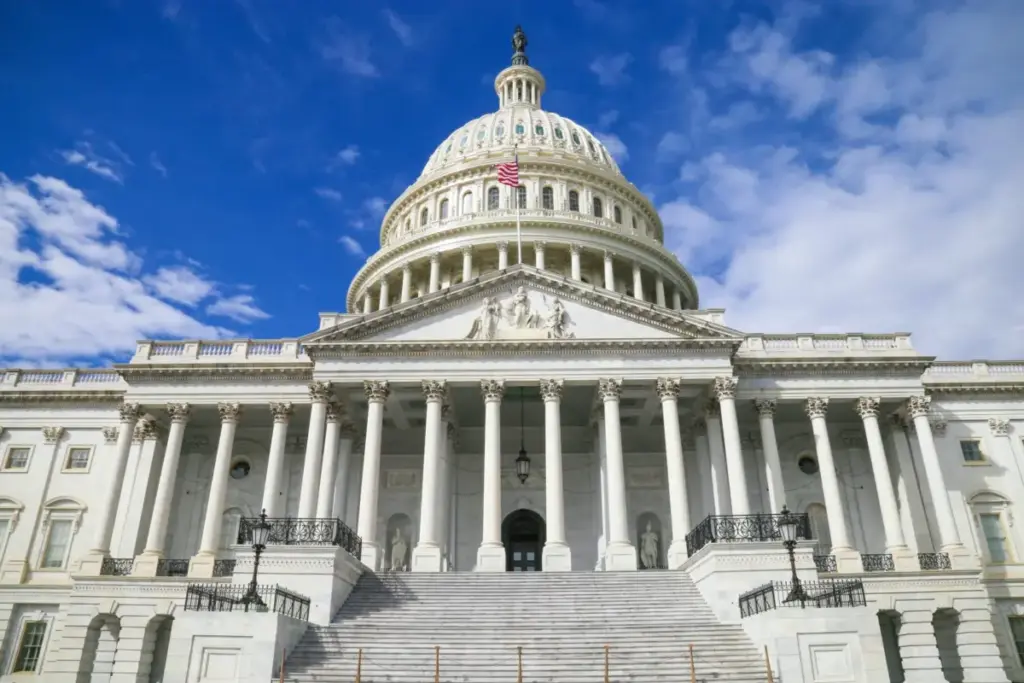
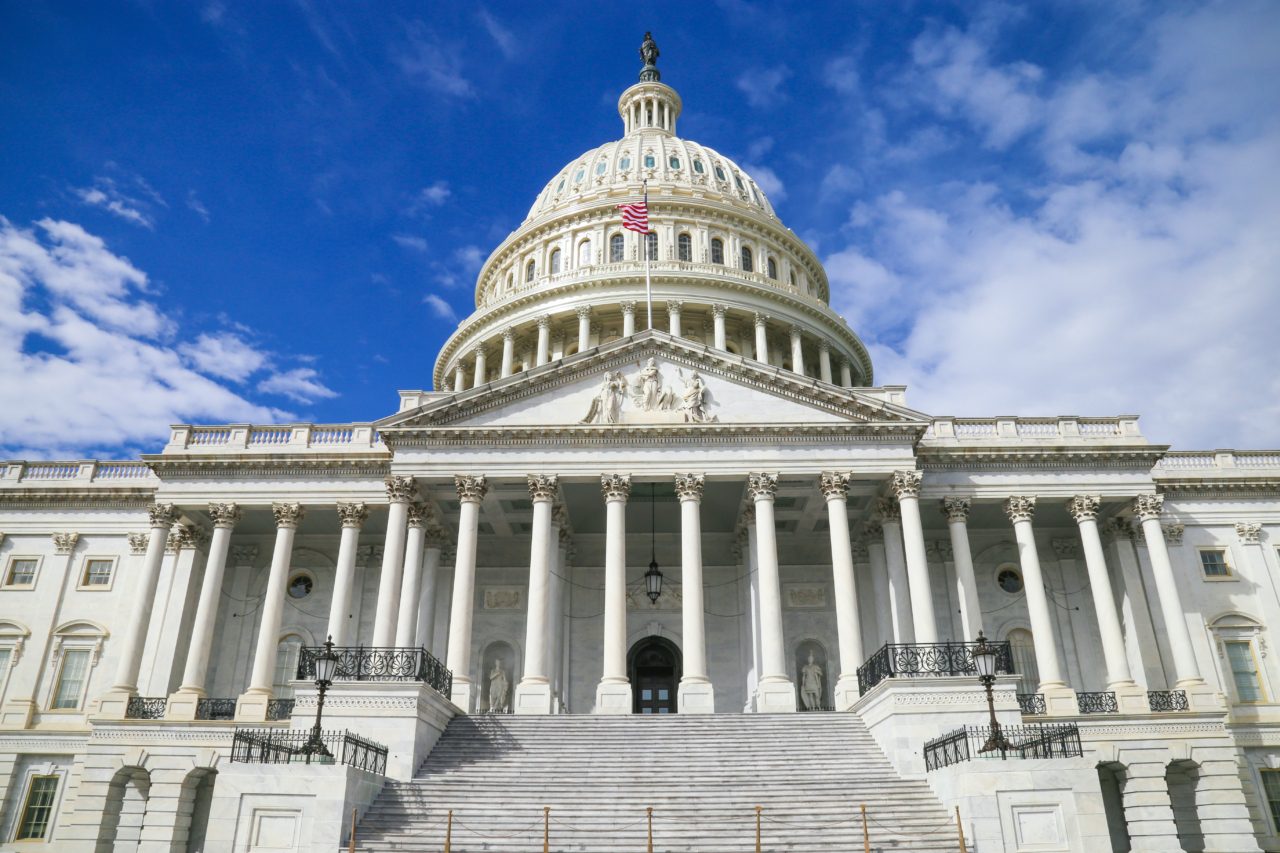
With the federal budget now formally transmitted to Capitol Hill, attention shifts immediately to the legislative branch, where lawmakers hold the constitutional power of the purse. The path from a presidential budget proposal to enacted legislation requires complex negotiations, bipartisan cooperation, and rigorous oversight by congressional appropriators.

Emphasizing the urgency of this next legislative phase, Calderón called on lawmakers to seize the opportunity to enact meaningful change for the nation’s youngest citizens. "Now, Congress must work with the Administration to deliver for families and babies," Calderón continued. "We look forward to working with Congressional appropriators and our baby champions on the Hill to make these bold proposals a reality."
As the legislative process unfolds in the coming months, child development advocates, community leaders, and early childhood professionals across the country will continue monitoring budget hearings and committee markups. For organizations like ZERO TO THREE, the ultimate goal remains ensuring that the voices of infants, toddlers, and their families are heard clearly in the halls of Congress, translating administrative proposals into tangible, life-changing federal investments.