








GENEVA — In a major push to strengthen global health information systems and enhance public health outcomes, the World Health Organization (WHO) has officially announced a new, comprehensive approach designed to improve access to life-saving data. Unveiled today, the initiative—known as the SCORE for Health Data Technical Package—arrives as the world continues to grapple with the profound challenges of the COVID-19 pandemic, a crisis that has underscored the critical need for rapid, reliable information to guide strategic health actions.
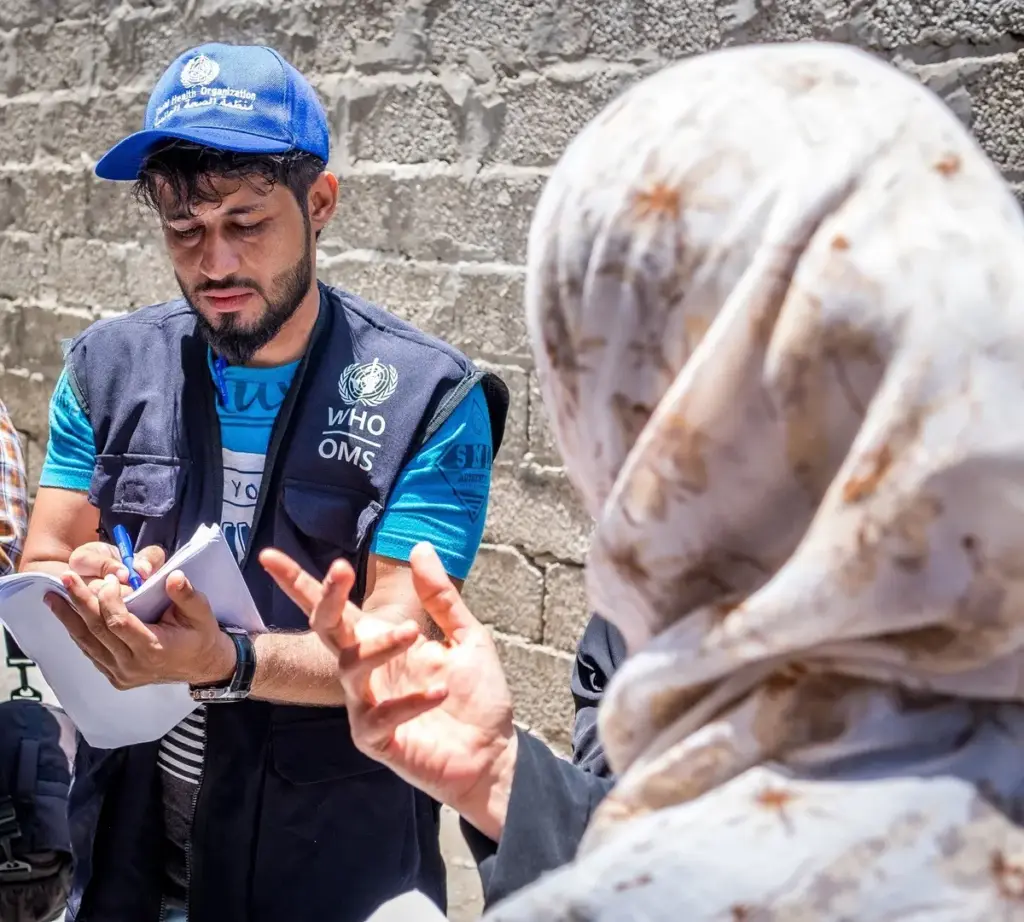
For months, public health experts have pointed to persistent data gaps across numerous nations. Too many countries still lack the essential infrastructure required to routinely gather accurate health statistics, as well as the specialized analytical capacity needed to translate raw numbers into effective health interventions and emergency responses. Without these foundational elements, governments struggle to deploy limited resources efficiently or mount targeted interventions against fast-moving pathogens.
Addressing leaders and public health advocates, WHO Director-General Dr. Tedros Adhanom Ghebreyesus emphasized the fundamental principle underlying the new initiative. "Countries must be able to measure progress to make progress," Dr. Tedros said. "Particularly during COVID-19, reliable data is the best way to coordinate response efforts and improve health in all areas."
Accurate health data remains a cornerstone of modern public health administration. It allows policymakers to understand specific national and subnational needs, tailor interventions to protect vulnerable populations, and direct scarce financial and logistical resources precisely to the regions and communities where they are needed most.
The newly introduced SCORE Technical Package—which stands for Survey, Count, Optimize, Review, and Enable—is engineered to systematically improve the availability of timely, reliable, validated, and comparable health data worldwide. For the first time, this initiative brings together all the key elements required for optimized health information system performance into a single, harmonized package. In practical terms, the framework is designed to help governments across the globe establish robust benchmarks and elevate standards in healthcare delivery and disease surveillance.
The development of the package comes in direct response to persistent data availability challenges highlighted in the WHO World Health Statistics 2020 report. To bridge these gaps, SCORE incorporates more than 90 universally accepted tools and standards specifically tailored for strengthening health information systems.
The rollout of the technical package has also drawn strong backing from international philanthropic partners. Dr. Kelly Henning, Director of Public Health Programs at Bloomberg Philanthropies, which provided vital funding to support the initiative, underscored the urgency of the moment. "Using data to inform public health priorities and strategies has never been more important," Dr. Henning noted. "The SCORE Technical Package provides country governments around the world with high-quality, essential technical guidance so that countries can strengthen their own data systems."
The World Health Organization has expressed strong pride in partnering with the Bloomberg Philanthropies Data for Health Initiative to deliver this timely resource to member states, emphasizing that collaborative frameworks are vital for addressing systemic weaknesses in global health architecture.
Dr. Samira Asma, Assistant Director-General for Data, Analytics and Delivery for Impact at WHO, reinforced the message that institutionalizing data collection is no longer optional. "We must keep score to save lives," Dr. Asma said. "WHO is committed to working with countries and partners to rapidly scale up capacity for data collection and use in order to improve policy and performance."
Highlighting the tight timeline facing the international community, Dr. Asma urged immediate action to bolster national statistical systems. "We must act now to invest in statistical systems in countries, respond to this pandemic, and meet the Sustainable Development Goals and the Triple Billion targets," she added. "Our window of opportunity is closing, and we cannot wait to address data gaps. Data use to address country needs has to be a priority today."
Public health officials stress that country-owned, disaggregated data will be indispensable for building more resilient and sustainable health systems in the post-pandemic era. While the COVID-19 crisis has served as a harsh wake-up call regarding existing vulnerabilities in global health security, it also presents a unique opportunity to build back better through international solidarity, transparent information-sharing, and close collaboration.
The SCORE package exemplifies how a multi-stakeholder, collaborative approach can directly benefit individual nations by offering a shared set of evidence-based tools anchored in common standards. Designed with practicality, actionability, and flexibility in mind, the initiative recognizes that combatting global health emergencies like COVID-19 requires unified action and shared methodologies.
Looking ahead, the WHO has confirmed that additional components of the SCORE Technical Package are scheduled for release later this year. These upcoming additions will include the SCORE Assessment Instrument alongside comprehensive global, regional, and country status reports. Together, these forthcoming resources are intended to provide governments with a complete suite of information needed to plan, execute, and monitor progress against national priorities, subnational targets, and overarching global health commitments.