





As the warm weather arrives and traditional school routines fade away, families, educators, and pediatric therapy providers face a unique seasonal shift. While summer offers boundless opportunities for outdoor play, parks, and beach trips, the sudden disruption in daily structure can profoundly impact how children process sensory input. To bridge the gap between structured school environments and unstructured summer days, pediatric occupational therapy resources are expanding their focus to provide accessible, sensory-rich activities designed for the home, summer camps, and extended school year classrooms.
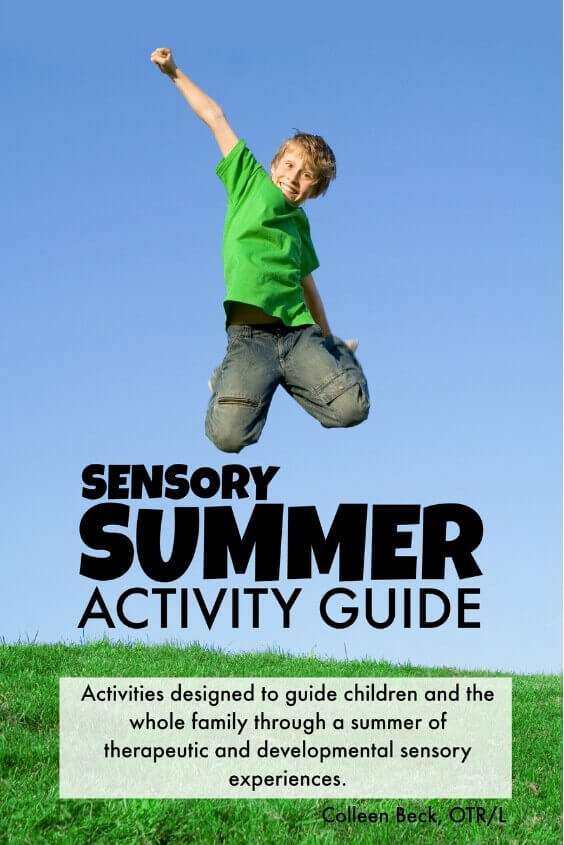
Created by experienced pediatric occupational therapist Colleen Beck, OTR/L—who has practiced across school-based, outpatient, and early intervention settings since 2000—these updated resources aim to prevent the pitfalls of excessive screen time while giving children the heavy work and movement inputs their nervous systems crave. Rather than requiring expensive or specialized equipment, the updated guidance emphasizes everyday household items and natural outdoor environments to foster healthy sensory processing, motor planning, and self-regulation.
When children transition from structured classrooms to wide-open summer schedules, they often miss out on the natural vestibular and proprioceptive input built into a typical school day. Without these movement anchors, kids may struggle with attention, emotional regulation, and transitions. To counter this, experts recommend integrating simple, purposeful movement strategies into daily life. Activities such as carrying heavy beach buckets, digging in the sand, pushing wagons, climbing playground equipment, or assisting with backyard chores provide essential heavy work that organizes the nervous system.
The strategy behind these interventions centers on the sensory systems that govern daily functioning: proprioception, the vestibular system, tactile processing, and oral motor development. Proprioceptive activities help children develop body awareness and coordination by engaging muscles and joints. Vestibular experiences—such as swinging, rolling down grassy hills, swimming, and navigating backyard obstacle courses—support balance, posture, and visual attention. Meanwhile, tactile exploration through sand, water, mud, gardening, and finger painting strengthens fine motor skills and builds confidence through hands-on engagement. Oral motor development is similarly supported through refreshing summer staples like smoothies consumed through straws, crunchy fruits and vegetables, frozen treats, and blowing bubbles or pinwheels, which simultaneously offer calming sensory input.
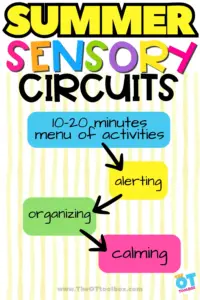
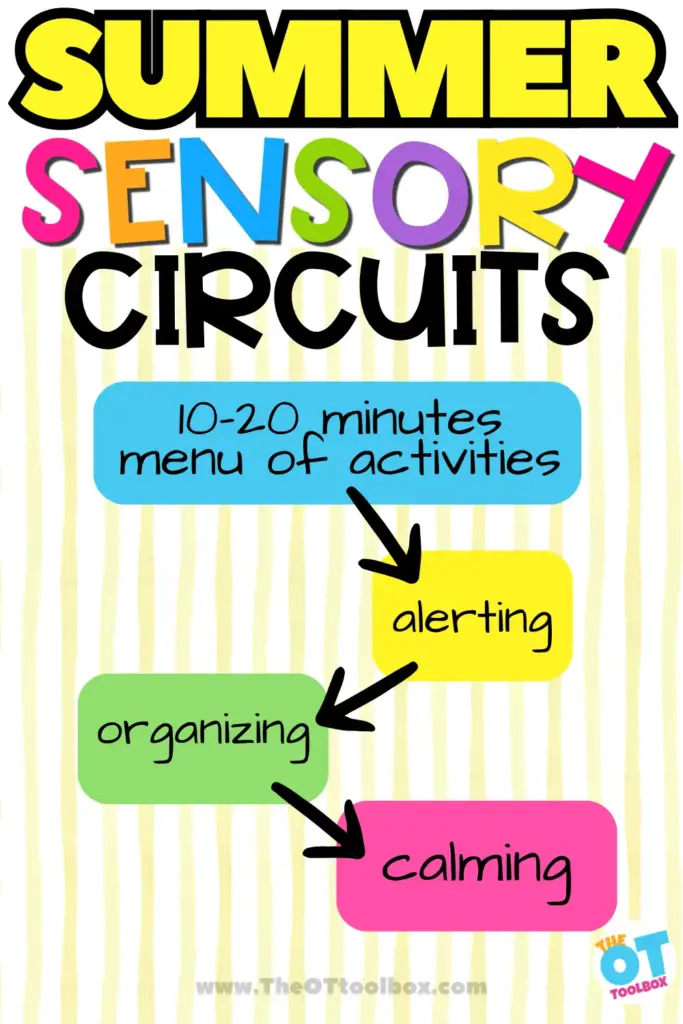
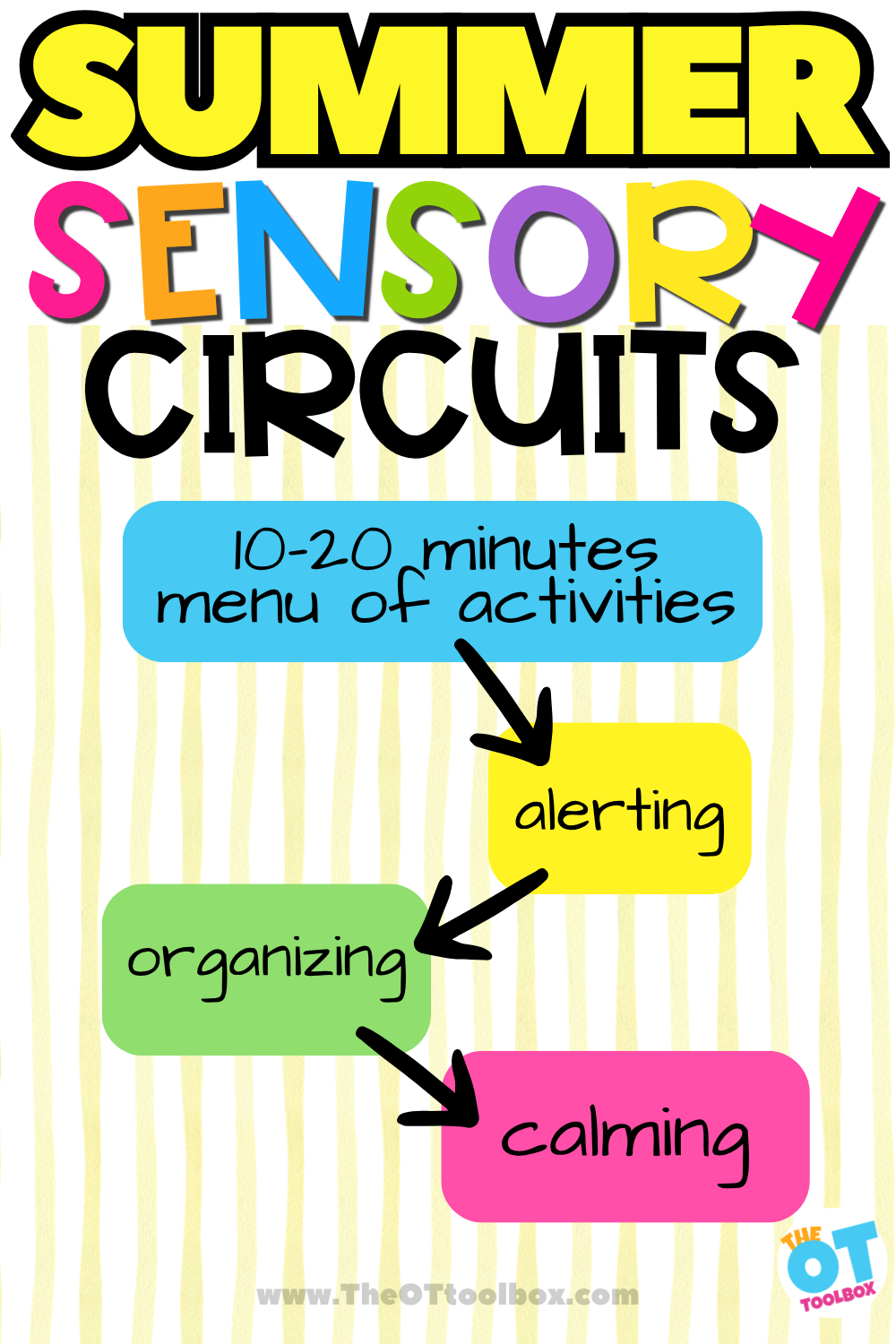
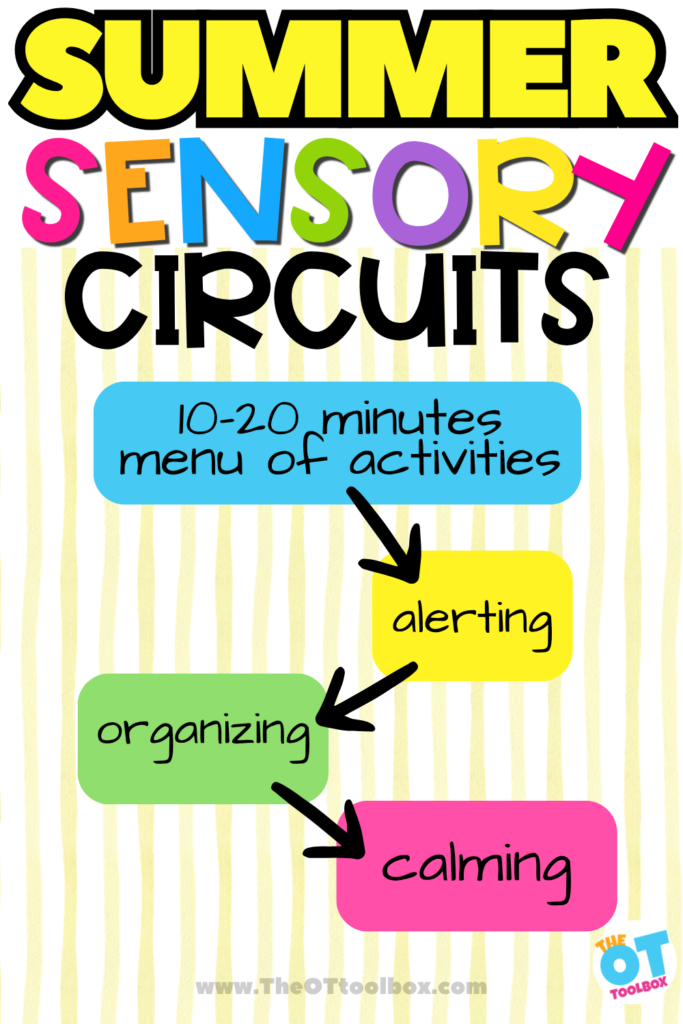
To streamline these interventions for busy households and summer classrooms, pediatric specialists are increasingly turning away from complex, fragmented sensory diets in favor of structured sensory circuits. Unlike a traditional sensory diet that weaves interventions throughout an entire day, a sensory circuit condenses targeted activities into a predictable, continuous 10-to-20-minute routine. By organizing activities into a specific neurological progression—starting with alerting movements to wake up the system, moving to organizing tasks that build focus and coordination, and finishing with calming deep-pressure activities—children can achieve the optimal level of alertness needed for learning and emotional regulation.
This structured menu-style approach provides a reliable daily anchor for children experiencing the unstructured flow of summer vacation. Whether implemented first thing in the morning to set a positive tone or right after lunch to reset after a chaotic midday break, a simple sequence of jumping jacks, heavy lifting, and deep breathing can dramatically improve a child’s ability to respond to environmental stressors. Similar regulatory routines are equally beneficial for adults navigating their own daily schedules.
Beyond structured circuits, summer offers an abundance of low-prep, highly engaging modalities that naturally target developmental milestones. Water play, sensory bins filled with nature treasures, pool noodle obstacle courses, and sidewalk chalk games provide continuous tactile, visual-motor, and bilateral coordination benefits. These activities require minimal setup while offering maximum developmental value, ensuring that children continue to refine their gross and fine motor skills even while away from the classroom.
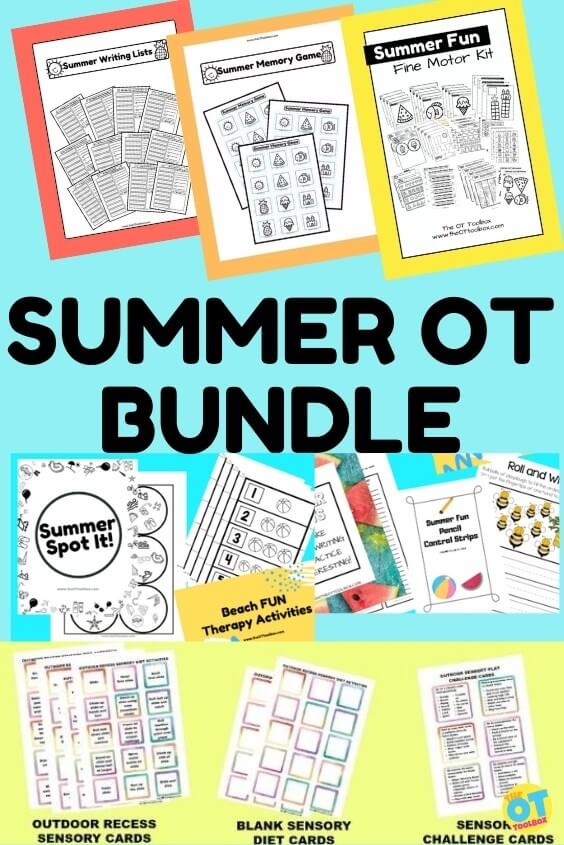
To support parents, educators, and therapists throughout the season, comprehensive resource packets and activity bundles have been developed to provide ready-to-go materials for home programs, teletherapy sessions, and summer camps. These collections cover everything from handwriting practice and visual perceptual skills to gross motor development and sensory regulation, offering practical tools to keep children engaged and developing all summer long.