






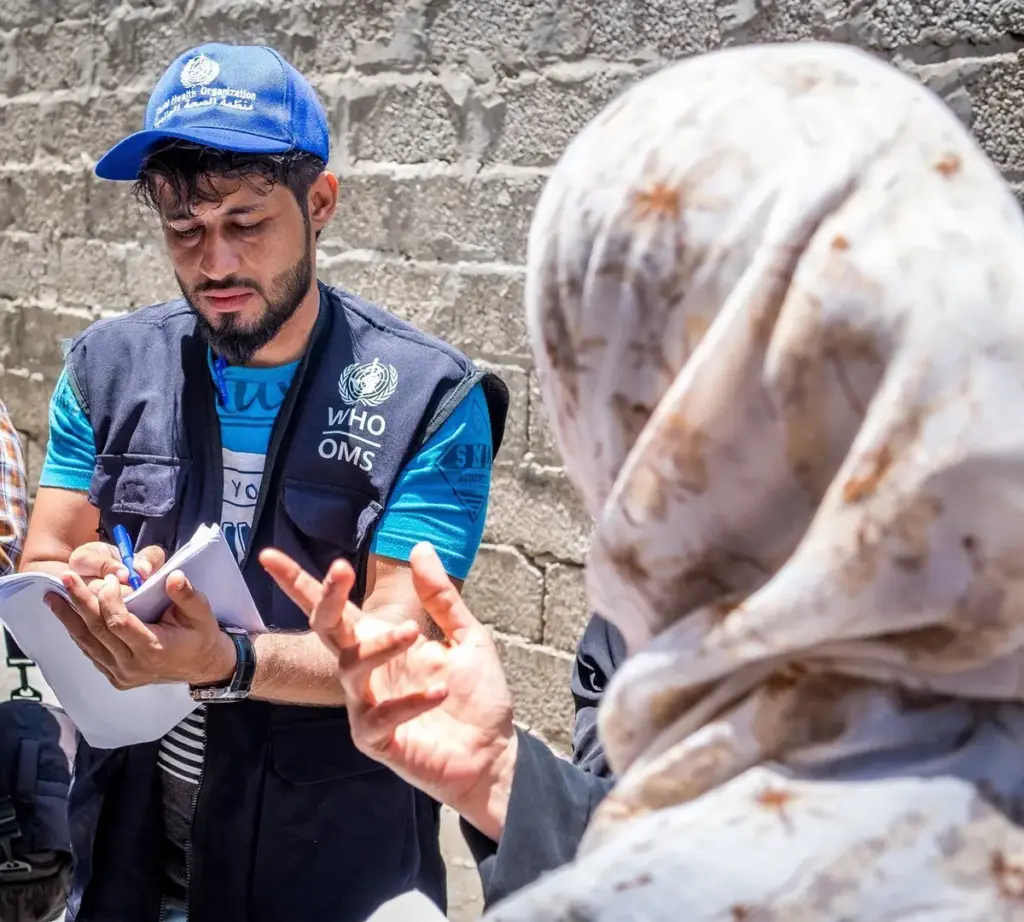
The World Health Organization (WHO) has officially unveiled a landmark initiative designed to fundamentally transform how nations collect, analyze, and utilize health data. Known as the "SCORE for Health Data Technical Package," this comprehensive resource arrives at a critical juncture in global public health. As the COVID-19 pandemic continues to expose significant vulnerabilities in international health infrastructure, the WHO is prioritizing the standardization of data systems to ensure that countries are better equipped to monitor health trends, manage resources, and respond to future emergencies with precision and speed.
The launch of the SCORE package is rooted in the stark reality that many nations still struggle with fragmented, incomplete, or outdated health information systems. Without access to accurate, real-time data, governments are often forced to make life-altering policy decisions based on incomplete snapshots of their populations’ health. The COVID-19 crisis has served as a global wake-up call, demonstrating that when data is opaque or inaccessible, the capacity for strategic health action is severely compromised. By providing a unified framework for improvement, the WHO aims to bridge the gap between rudimentary data collection and the sophisticated analytical capacity required for modern, evidence-based healthcare.
"Countries must be able to measure progress to make progress," said WHO Director-General Dr. Tedros Adhanom Ghebreyesus. "Particularly during COVID-19, reliable data is the best way to coordinate response efforts and improve health in all areas."

For the WHO, the need for this package is not merely a technical preference but a moral and operational imperative. Accurate health data acts as the compass for global health policy, allowing leaders to understand the specific needs of their unique populations. It is the primary tool for identifying which regions are underserved, where disease outbreaks are likely to ignite, and how to allocate scarce financial and medical resources to maximize impact. By fostering a culture of data-driven decision-making, the WHO hopes to save countless lives that might otherwise be lost to inefficiencies in information gathering and dissemination.
The acronym "SCORE" stands for Survey, Count, Optimize, Review, and Enable. It represents a systematic approach to health information management that serves as a single, harmonized package of essential elements. By integrating these five pillars, the SCORE Technical Package offers governments a clear roadmap to optimize their health information system performance. It is designed to help nations establish international benchmarks, adopt rigorous standards, and ensure that health information is not only available but also timely, reliable, validated, and comparable across borders.
This initiative is a direct response to the glaring gaps in global data availability identified in the WHO World Health Statistics 2020 report. The report emphasized that many countries lack the fundamental infrastructure required to monitor health outcomes, leaving them blind to the effectiveness of their own policies. To address this, the SCORE package includes over 90 universally accepted tools and standards, providing a robust, off-the-shelf solution for countries at varying stages of development.
The initiative has been made possible through a strategic partnership between the World Health Organization and the Bloomberg Philanthropies Data for Health Initiative. This collaboration represents a shared commitment to strengthening the backbone of national health systems.
"Using data to inform public health priorities and strategies has never been more important," said Dr. Kelly Henning, Director of Public Health Programs at Bloomberg Philanthropies. "The SCORE Technical Package provides country governments around the world with high-quality, essential technical guidance so that countries can strengthen their own data systems."
The importance of this endeavor cannot be overstated, especially when considering the global pursuit of the Sustainable Development Goals (SDGs) and the WHO’s "Triple Billion" targets, which aim to ensure universal health coverage, protect more people from health emergencies, and provide better health and well-being for all. Dr. Samira Asma, Assistant Director-General for Data, Analytics and Delivery for Impact at the WHO, stressed the urgency of the moment.
"We must keep score to save lives. WHO is committed to working with countries and partners to rapidly scale up capacity for data collection and use in order to improve policy and performance," Dr. Asma remarked. "We must act now to invest in statistical systems in countries, respond to this pandemic and meet the SDGs and the Triple Billion targets. Our window of opportunity is closing, and we cannot wait to address data gaps. Data use to address country needs has to be a priority today."
A core philosophy behind the SCORE framework is the promotion of "country-owned" data. The WHO recognizes that for health systems to be resilient and sustainable in the long term, nations must develop the internal capacity to collect, manage, and act upon their own disaggregated data. This local ownership ensures that the insights gained are relevant to the specific cultural, social, and economic realities of the communities being served. The pandemic has been a stark reminder that while health is a global challenge, solutions must be implemented at the national and subnational levels.
The SCORE package is intended to be practical, actionable, and flexible, allowing countries to adapt its tools to their existing infrastructure while maintaining alignment with global standards. By fostering a culture of collaboration and information-sharing, the WHO hopes to create a more integrated global health landscape where data is viewed as a shared resource for the common good.
The rollout of the SCORE Technical Package is an ongoing process. The current release is just the first step in a broader, multi-phase plan to overhaul how the world handles health information. Future components, scheduled for release later this year, will include the SCORE Assessment Instrument, as well as a series of global, regional, and country status reports. These upcoming resources are designed to provide a comprehensive view of how countries are performing, helping them monitor their progress against national priorities and international targets.
Ultimately, the SCORE initiative represents a paradigm shift. It moves the conversation away from viewing data as a bureaucratic necessity toward recognizing it as a life-saving tool. By providing governments with the means to better measure their populations’ health, the WHO is laying the groundwork for a future where health systems are not just reactive but proactive—capable of anticipating threats and meeting the health needs of all people with precision and equity. As the global community continues to grapple with the challenges of the COVID-19 pandemic, the ability to "keep score" will prove to be one of the most critical factors in building a stronger, healthier world.