





WASHINGTON, DC — ZERO TO THREE, the nation’s leading early childhood development nonprofit dedicated to ensuring all infants and toddlers have a strong start in life, has expressed strong encouragement regarding President Biden’s proposed fiscal year 2025 federal budget. The organization highlighted that the federal spending blueprint includes essential and much-needed funding for programs designed to build a strong foundation for young children and their families across the United States.
According to leadership at the advocacy organization, the newly released budget takes vital strides toward prioritizing the youngest members of society. Miriam Calderón, Chief Policy Officer at ZERO TO THREE, emphasized the far-reaching positive impacts the fiscal proposals could have on American families if adopted by lawmakers in Congress.
"If implemented, President Biden’s budget released today will make our nation a better and fairer nation to have and raise a baby," said Calderón. "ZERO TO THREE has urged Congress and the Administration to prioritize the needs of babies and their families in five key areas: maternal health, infant and early childhood mental health, child care, housing, and economic security."
Calderón noted that the administration’s new budgetary priorities build directly upon themes introduced earlier by the President. In the State of the Union address, the President laid out a vision toward a future where families are empowered and have meaningful choices regarding their children’s earliest years and overall future wellbeing. The proposed fiscal year 2025 budget directly expands on this overarching vision with concrete legislative and funding proposals designed to address every facet of a young child’s critical developmental window.
The organization underscored that the early years of a human life—stretching from the prenatal stage through age three—represent a period of astonishing brain development and neurological growth. During this foundational window, babies build more than one million new neural connections every second, a rate never repeated again in the human lifespan. Consequently, policies and financial investments that support stable families, accessible healthcare, and high-quality early learning environments profoundly shape long-term educational attainment, health outcomes, and economic stability.
ZERO TO THREE has long advocated for a holistic approach to public policy that recognizes infants and toddlers not merely as dependents, but as active participants in society whose wellbeing dictates the future strength and prosperity of the nation. The organization’s comprehensive advocacy framework, often highlighted through its ongoing initiatives such as the State of Babies Yearbook, regularly evaluates how individual states and the federal government stack up in meeting the fundamental needs of infants and toddlers.
The newly released budget proposals target several chronic challenges facing young families nationwide. Maternal health remains a critical crisis in the United States, marked by unacceptably high rates of pregnancy-related complications and mortality, particularly among women of color. Investments aimed at expanding healthcare access during and after pregnancy, supporting maternal mental health, and reducing systemic disparities are viewed by child development experts as life-saving measures for both mothers and newborns.

Simultaneously, the acute shortage of affordable, high-quality child care continues to place an immense strain on working parents, often forcing families to make impossible choices between employment and the care of their infants. By prioritizing increased federal investments in child care infrastructure and early learning subsidies, the proposed budget seeks to alleviate the financial burdens weighing down modern households while giving babies safe, stimulating environments during their formative months.
Furthermore, economic security and stable housing are recognized by child development advocates as indispensable pillars of early childhood wellbeing. Toxic stress caused by housing instability, homelessness, and persistent poverty can alter a baby’s developing brain architecture, leading to lifelong challenges in emotional regulation, learning, and physical health. Federal proposals aimed at bolstering economic security measures, enhancing nutrition assistance, and expanding housing support are therefore critical components of a comprehensive strategy to give every infant an equitable chance to thrive.
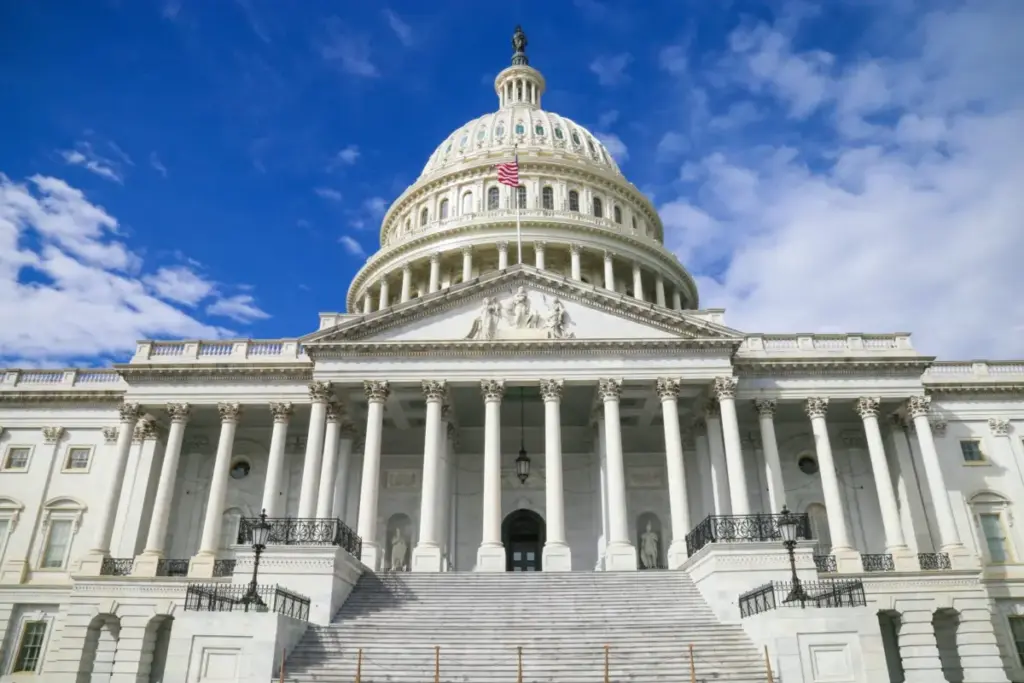
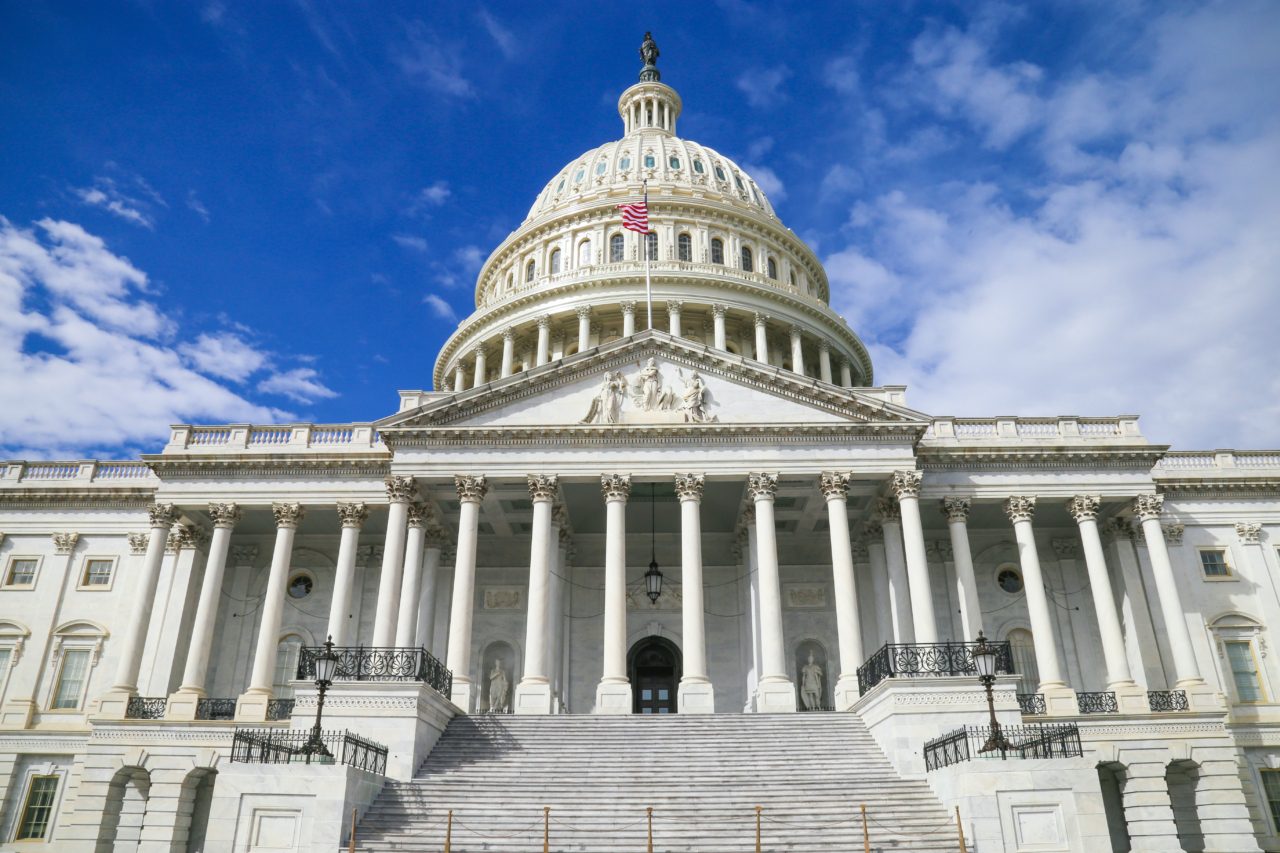
As the budget moves from the executive branch to Capitol Hill, the focus shifts entirely to the legislative arena. The administration’s vision now requires deliberate bipartisan or bicameral action from lawmakers who hold the constitutional power of the purse.
"Now, Congress must work with the Administration to deliver for families and babies," Calderón continued, outlining the path forward for the organization’s policy agenda. "We look forward to working with Congressional appropriators and our baby champions on the Hill to make these bold proposals a reality."

The path toward enacting a federal budget is notoriously complex, involving months of committee hearings, negotiations, and legislative maneuvering. Advocates for young children plan to maintain an active presence in Washington, D.C., and across various congressional districts to remind lawmakers that infants and toddlers do not have a political lobby of their own. Instead, they rely entirely on the adults entrusted with governance to speak and act on their behalf.
For ZERO TO THREE and its network of early childhood professionals, researchers, and family advocates, the fiscal year 2025 budget represents more than just a collection of numbers and line items. It stands as a statement of national values—a declaration that the nation’s youngest citizens deserve prioritized attention, robust resources, and unwavering protection from the earliest moments of existence. As the legislative process unfolds in the coming months, the organization intends to mobilize its supporters nationwide to ensure that the promise of these federal investments translates into tangible realities for babies and families in every community.