









A long-standing debate regarding the environmental triggers of Parkinson’s disease has gained significant clarity following a breakthrough study from UCLA Health. Researchers have identified a compelling link between long-term residential exposure to chlorpyrifos—a pesticide that has been a staple in global agriculture for decades—and a more than 2.5-fold increase in the risk of developing Parkinson’s disease. Beyond the statistical correlation, the study, published in the journal Molecular Neurodegeneration, provides a biological "smoking gun," detailing how the chemical actively sabotages the brain’s internal waste-disposal system, leading to the catastrophic loss of neurons responsible for motor control.
A Persistent Chemical Threat
Parkinson’s disease, a progressive and debilitating neurological condition, affects approximately one million Americans. Characterized by tremors, muscle rigidity, bradykinesia (slowness of movement), and severe coordination deficits, the disease is fundamentally rooted in the death of dopamine-producing neurons. These specialized cells act as the brain’s chemical messengers, facilitating the smooth, fluid movements that humans often take for granted. As these cells wither and die, the brain’s ability to orchestrate motor function declines, leading to the hallmark symptoms of the condition.
While medical science has long understood the genetic predispositions that can render certain individuals more susceptible to Parkinson’s, the role of environmental factors has become an increasingly urgent area of study. Pesticides have long been primary suspects in this inquiry, given their inherent ability to interfere with the delicate biological processes of the nervous system. Among these, chlorpyrifos has remained a focal point of environmental health concerns. Although its residential use was prohibited in the United States in 2001 and agricultural applications have faced stringent federal restrictions since 2021, the chemical’s historical ubiquity means that many people have lived or worked near areas where it was applied for years. Furthermore, it continues to be utilized on various crops globally, making it a persistent international concern.

The Statistical Correlation
To investigate the strength of this environmental link, a team of UCLA scientists utilized data from 1,653 participants enrolled in the university’s long-running Parkinson’s Environment and Genes (PEG) study. The cohort consisted of 829 individuals already diagnosed with Parkinson’s disease and 824 healthy controls. By cross-referencing these participants’ residential and workplace histories with California’s rigorous, decades-long database of pesticide application records, the researchers were able to construct a detailed map of likely chemical exposure over time.
The findings were stark. Individuals with prolonged, high-level residential exposure to chlorpyrifos demonstrated a Parkinson’s risk more than 2.5 times higher than those with no such exposure. While population-based studies are excellent at identifying associations, they cannot definitively prove causation on their own. Recognizing this, the UCLA team moved beyond data analysis into the laboratory to determine if chlorpyrifos could actually replicate the physical hallmarks of Parkinson’s disease within a living system.
Mechanistic Damage: The Brain’s Broken Cleanup System
To observe the chemical’s effects in real-time, the researchers exposed mice to chlorpyrifos in an aerosolized form for 11 weeks. This specific method of exposure was chosen to mimic the way human populations might encounter the pesticide through environmental drift. The results confirmed the team’s hypothesis: the exposed mice exhibited not only physical movement difficulties but also a significant depletion of dopamine-producing neurons—the same neurological hallmark seen in human Parkinson’s patients.
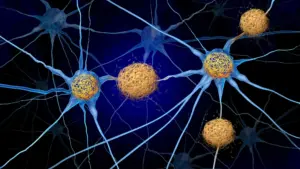
Further examination of the mice’s brains revealed two critical factors: chronic neuroinflammation and the accumulation of alpha-synuclein. Alpha-synuclein is a protein that, under healthy conditions, supports normal nerve cell function. However, in the context of Parkinson’s, it tends to misfold and aggregate into toxic clumps. These clumps, known as Lewy bodies, are widely considered to be the primary drivers of neuronal deterioration.
To pinpoint exactly why these proteins were accumulating, the researchers utilized zebrafish, a model organism prized in neuroscience for its ability to reveal the mechanics of nerve cell development. Through this model, the scientists uncovered a breakdown in "autophagy." Autophagy is essentially the body’s internal recycling and sanitation department; it is a cellular process designed to identify and break down damaged proteins and worn-out cellular components. In healthy neurons, autophagy keeps the environment clean and functional. In the presence of chlorpyrifos, however, this cleanup mechanism is severely disrupted. As the "trash" accumulates, the cell becomes overwhelmed, eventually leading to the death of the neuron.
A New Horizon for Therapeutic Intervention
Perhaps the most promising aspect of the study is that the researchers were able to reverse some of the damage in their laboratory models. By experimentally restoring the autophagy process and clearing out the toxic synuclein protein deposits, the team successfully protected the neurons from degeneration. This discovery shifts the narrative from merely identifying a toxic agent to identifying a potential target for medical intervention.
If researchers can develop therapies that stimulate or "jump-start" the autophagy process in the human brain, they might be able to protect vulnerable neurons from the effects of chemical exposure. This could eventually provide a lifeline for individuals who have had significant past exposure to chlorpyrifos or other neurotoxic substances.
However, the team emphasizes that these findings are currently confined to laboratory models. Translating this success into human clinical treatments will require extensive future research. The immediate priority, according to the study’s authors, is to refine the understanding of how various pesticides interact with these specific cellular mechanisms.
Dr. Jeff Bronstein, a professor of neurology at UCLA Health and the senior author of the study, noted that the research represents a major shift in how the scientific community approaches the study of pesticides. Rather than treating all pesticides as a monolithic class of potentially harmful chemicals, the findings demand that we evaluate them individually to understand their specific biological footprints.
"This study establishes chlorpyrifos as a specific environmental risk factor for Parkinson’s disease, not just pesticides as a general class," Dr. Bronstein explained. "By showing the biological mechanism in animal models, we’ve demonstrated that this association is likely causal. The discovery that autophagy dysfunction drives the neurotoxicity also points us toward potential therapeutic strategies to protect vulnerable brain cells."
As the scientific community continues to explore the intersection of environmental health and neurodegeneration, the UCLA study serves as a critical milestone. It highlights the importance of rigorous, long-term monitoring for populations historically exposed to agricultural chemicals and underscores the potential for future treatments that could eventually slow or even prevent the progression of Parkinson’s disease by fortifying the brain’s own internal defenses.