
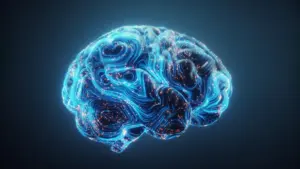






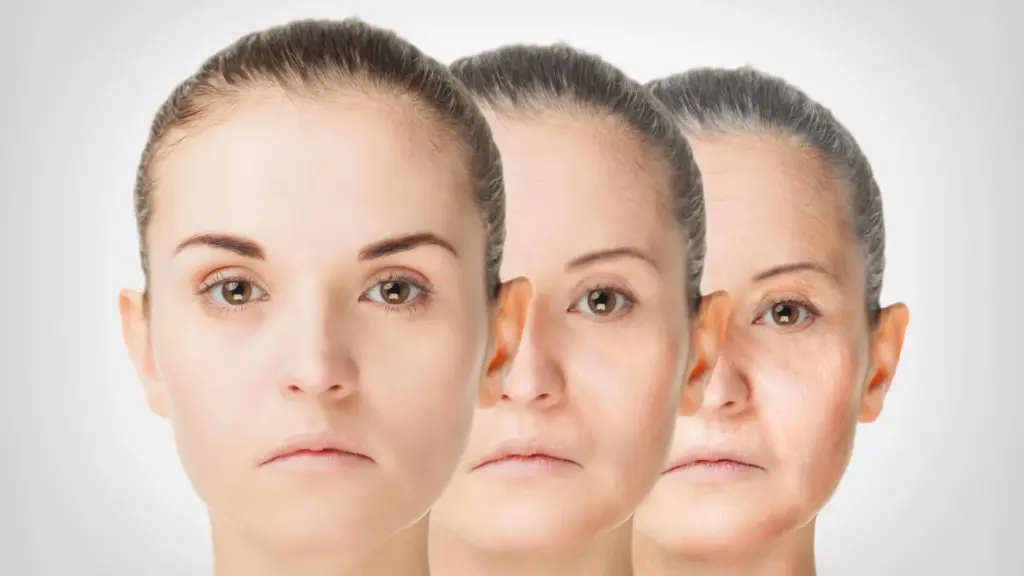
What if the systemic deterioration we associate with getting older—the thinning skin, the loss of bone mass, the fading memory, and the declining balance—is not an inevitable, uniform collapse of the body, but rather a process orchestrated by a specific signal deep within the brain? For decades, gerontologists have viewed aging as a slow, multifaceted breakdown of cellular integrity. However, groundbreaking research is beginning to shift this paradigm, suggesting that the hypothalamus, a small region at the base of the brain, acts as a master control center that, when compromised, drives the aging process throughout the entire organism.
In a study that has sent ripples through the scientific community, researchers led by Lige Leng of Xiamen University in China identified that the loss of a single protein, known as Menin, may serve as a pivotal trigger for age-related decline. Their findings, published in PLOS Biology in March 2023, demonstrated that by restoring Menin levels in the hypothalamus of older mice, researchers could effectively reverse several hallmark signs of aging in just 30 days. Perhaps even more remarkably, they discovered that a simple, naturally occurring amino acid could replicate some of these cognitive benefits in just three weeks.
How a Hidden Brain Protein May Influence Aging
The hypothalamus is a powerhouse of physiological regulation. Despite its small size, it is responsible for governing the body’s most critical homeostatic functions, including body temperature, metabolic rate, sleep cycles, hunger, and the complex hormonal signaling that keeps organ systems in sync. Because the hypothalamus exerts such pervasive influence over the body, any disruption to its internal environment has the potential to trigger systemic consequences.

Scientists have long theorized that neuroinflammation—the brain’s immune response to cellular stress—plays a central role in the aging process. While short-term inflammation is a vital defensive mechanism against injury and infection, chronic, low-grade neuroinflammation is increasingly viewed as a toxic driver of cellular decay. Leng and her colleagues previously identified Menin as a crucial "guardian" protein that helps suppress this inflammatory response within the hypothalamus. Beyond its anti-inflammatory role, Menin also acts as a regulator of gene expression, meaning its presence allows it to orchestrate multiple biological pathways simultaneously.
To determine what happens when this protective buffer wanes, the team monitored Menin levels in mice as they aged. They observed a distinct, gradual decline of the protein specifically in hypothalamic neurons. Interestingly, this depletion did not occur in other neighboring brain cells, such as astrocytes or microglia, suggesting that the loss of Menin is a targeted event that specifically undermines the neurons responsible for regulating the body’s aging signals. To confirm the causal link, the researchers created genetically modified mice in which Menin could be intentionally disabled. The results were immediate and profound: the animals suffered from rapid hypothalamic inflammation, significant bone density loss, skin thinning, and measurable cognitive impairment, effectively aging before their time.
Restoring Menin Reversed Several Signs of Aging in 30 Days
The most compelling aspect of the research was the question of reversibility. If the depletion of Menin is a driver of aging, could replenishing it turn back the biological clock? Using a sophisticated gene delivery technique, the researchers increased Menin production specifically in the ventromedial hypothalamus of 20-month-old mice—the equivalent of an elderly human.
The results were transformative. Within 30 days of the intervention, the mice exhibited physiological improvements that were, by all standard metrics, unprecedented. Their skin regained thickness, their bone mass increased, and their performance on cognitive and motor balance tests improved significantly. Furthermore, the metabolic profiles of the mice shifted toward a more youthful state, and in survival analyses, the treated mice lived longer than their untreated counterparts. This proved that age-related decline is not merely a permanent, entropic state, but a process that can be at least partially unraveled by targeting specific neural pathways.
A Simple Amino Acid Offers a Surprising Clue
As the team investigated the mechanisms behind these improvements, they stumbled upon an intriguing metabolic clue: the decline of Menin was directly tied to a reduction in D-serine. D-serine is an amino acid that functions as a critical signaling molecule in the brain. Unlike the more common L-serine, which serves as a building block for proteins, D-serine is essential for regulating NMDA receptors, which are vital for synaptic communication, the foundation of learning, and memory formation.
The researchers discovered that Menin regulates the enzyme PHGDH, which is responsible for the biochemical pathway that produces serine. When Menin levels dropped due to age, the production of D-serine in the hippocampus—the brain’s memory hub—also plummeted. To test whether this was a primary driver of cognitive loss, the team provided older mice with D-serine in their drinking water for three weeks. The results were encouraging: the mice showed improved learning and memory performance. However, there was a critical distinction. While restoring Menin corrected both the physical manifestations of aging (bone and skin health) and cognitive deficits, D-serine supplementation only corrected the cognitive decline. This suggests that while D-serine is a key mediator of memory, Menin influences aging through a broader, more complex network of biological signals.
Later Research Strengthens the Link Between the Brain and Aging
The initial 2023 discovery sparked a flurry of follow-up investigations. In 2024, researchers at the Washington University School of Medicine published a study in Cell Metabolism that identified a different hypothalamic circuit—one that communicates directly with fat tissue. By stimulating this pathway, they were able to boost physical activity and extend lifespan in mice, further cementing the idea that the hypothalamus acts as a central hub for aging signals.
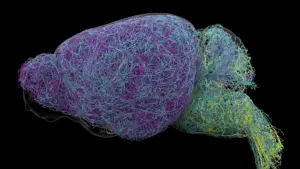
Other research has continued to validate the protective role of Menin. A 2024 study in the Journal of Physiology and Biochemistry found that increasing Menin levels protected hippocampal cells against stress-induced programmed cell death. In January 2025, a massive genetic analysis of over 1.2 million mouse brain cells published in Nature revealed that the cells surrounding the third ventricle—the very same region where the hypothalamus resides—are the most susceptible to aging. These cells showed a dramatic downregulation of genes required for neuronal function and an upregulation of inflammatory markers, providing a map of where the brain is most vulnerable to the passage of time.
New Findings in 2026 Reveal More Aging Pathways
The pace of discovery has accelerated into 2026. A study published in Cell demonstrated that stabilizing daily biological rhythms within the hypothalamus could extend the lifespan of mice and even reverse "biological age" markers, such as DNA methylation patterns. Simultaneously, another 2026 study in Cell Metabolism identified a protein called Mimecan, which mediates communication between skeletal muscles and the hypothalamus. Restoring Mimecan levels in older mice improved communication between the body and the brain, resulting in extended longevity. These findings collectively suggest that aging is not governed by a single "master switch," but by a distributed, redundant system of neural circuits and hormonal signals that the body uses to maintain its internal order.
Could D-Serine Supplements Protect the Human Brain?
Despite the enthusiasm surrounding these findings, the leap from mouse models to human clinical applications remains significant. While D-serine is theoretically appealing, clinical evidence in humans is limited and complex. A 2016 trial in healthy older adults showed slight improvements in spatial learning, but these results were not uniform across all cognitive tests. Furthermore, a 2025 study in Cellular and Molecular Life Sciences cautioned that D-serine’s effects are highly dependent on the biological context. In mouse models of Alzheimer’s disease, an excess of D-serine was actually linked to signaling disruptions, suggesting that the "more is better" approach to supplementation could be counterproductive or even harmful.
There are also unresolved safety concerns regarding long-term D-serine supplementation, particularly regarding kidney function at high doses. For now, researchers stress that D-serine is an experimental tool rather than a proven anti-aging therapy.
Can Scientists Eventually Slow Aging by Targeting the Brain?
The fundamental questions remain: Why does Menin decline with age in the first place? And to what extent can we modulate this process in humans without inducing unintended side effects? Despite these uncertainties, Lige Leng remains optimistic about the implications of her team’s work. She posits that the decline of hypothalamic Menin may be one of the "driving factors" of aging, linking the genetic, inflammatory, and metabolic components of the process into a single, cohesive framework.
The emerging consensus among researchers is that we are witnessing a fundamental shift in the understanding of aging. It is no longer viewed merely as the inevitable wearing down of organs, but as a regulated, albeit dysregulated, process that the brain actively influences. While the prospect of a "fountain of youth" remains distant, the Menin discovery offers something perhaps more valuable: the realization that the biological changes associated with old age may be far more plastic—and potentially reversible—than anyone had previously dared to believe. Whether these pathways will eventually yield therapies for human patients will depend on years of rigorous clinical investigation, but the door to manipulating the biology of aging has, for the first time, been firmly opened.