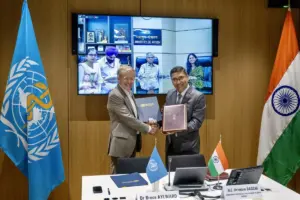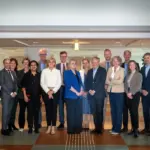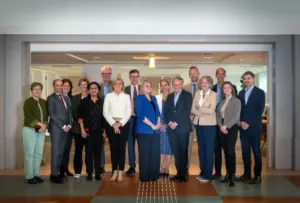



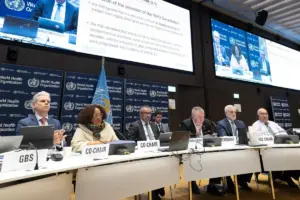




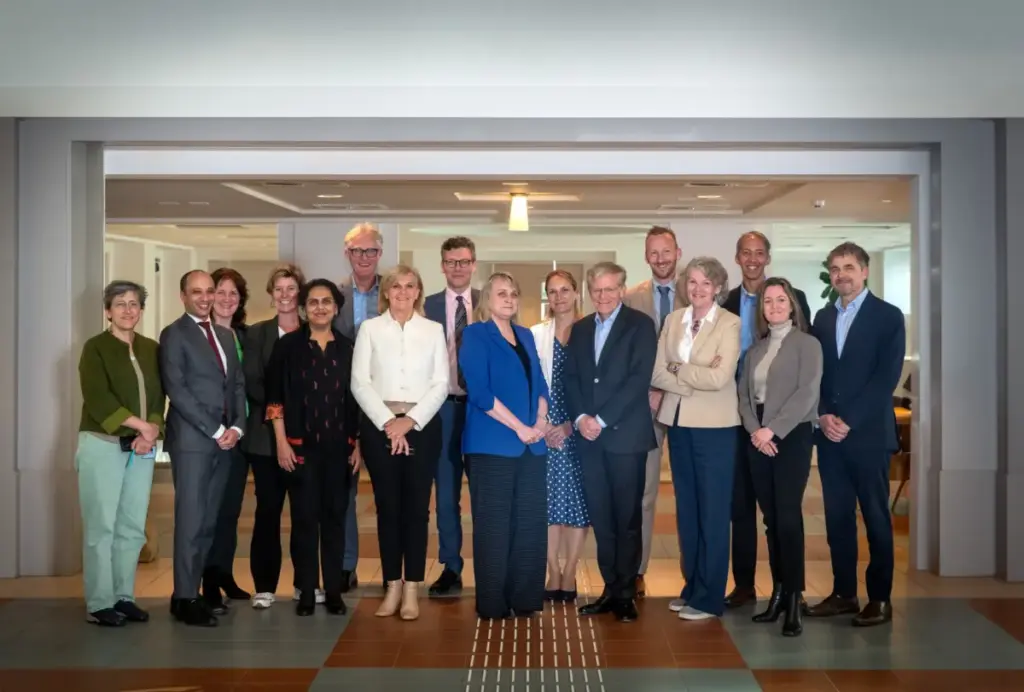
The Hague – Deepening a longstanding alliance built on a shared dedication to human rights, universal health coverage, and international cooperation, the World Health Organization (WHO) and the Netherlands convened in The Hague on April 10, 2024, for a high-level Strategic Dialogue. The meeting served as a crucial platform to align joint priorities, examine the intersection of domestic and international public health, and chart a long-term vision for addressing some of the world’s most complex and escalating health crises.
Against a turbulent global backdrop marked by ongoing armed conflicts, natural disasters, and the accelerating public health impacts of climate change, the discussions in The Hague underscored the vital interconnectedness of the Dutch public health landscape with worldwide health trends. As health inequities widen globally and vulnerable populations face mounting barriers to essential care and financial protection, both delegations emphasized that strong multilateral partnerships are more essential than ever.
Reflecting on the productive nature of the discussions, Ms. Marjolijn Sonnema, Director General for Public Health at the Netherlands’ Ministry of Health, Welfare and Sport, highlighted the high degree of mutual dedication between the two institutions.
"In this Strategic Dialogue, throughout all sessions, WHO and the Netherlands showed a commitment to cooperation and to deepening their partnership based on the strong alignment between their respective priorities and objectives," Ms. Sonnema stated.
A central outcome of the 2024 dialogue was the formal recognition of the strategic alignment between the Dutch Global Health Strategy and the WHO’s forthcoming 14th General Programme of Work. This harmonization paves the way for deeper operational synergies across a broad spectrum of critical public health pillars, including health system strengthening, enhanced pandemic preparedness, the nexus between climate change and human health, the global threat of antimicrobial resistance (AMR), and expanded access to mental health support services in both stable and emergency settings.
Dr. Bruce Aylward, WHO Assistant Director-General for Universal Health Coverage and the Life Course, praised the Netherlands for its steadfast leadership and reliability as a global health partner during a time of compounding global challenges.
"At a time when inequity in health and in access to essential health services and financial protection is increasing, disproportionately impacting the poor and most vulnerable, the Netherlands stands as a global health leader and trusted WHO partner," Dr. Aylward said. "With shared priorities and commitment to sexual and reproductive rights, gender equity, health systems, security, climate resilience, and mental health, we look forward to strengthening our partnership to enhance the health and well-being of all, globally and in the Netherlands."
The dialogue also addressed the modern realities of international diplomacy, navigating complex geopolitical tensions while actively seizing opportunities to advance overarching global health targets. Both parties underscored that sustained, unyielding collaboration remains the only viable path forward to tackle pressing public health threats comprehensively and effectively.

A Pillar of Flexible Funding and Sustainable Resources
Beyond programmatic alignment, the WHO used the dialogue to formally acknowledge the Netherlands’ exemplary global leadership as a flexible donor. Ensuring that the WHO has predictable, sustainable, and flexible resources is seen as foundational to the organization’s ability to respond swiftly and efficiently to sudden health emergencies and improve health outcomes for marginalized communities worldwide.
In this context, the discussions included strong support for the inaugural WHO Investment Round. This flagship WHO initiative is designed to mobilize the reliable financial resources required to execute the organization’s strategic mandates without being bottlenecked by strictly earmarked funding streams.
The Netherlands has historically demonstrated its financial confidence in the multilateral health architecture through substantial and flexible contributions. During the 2022-2023 biennium, the Netherlands solidified its status as one of the top five flexible contributors to the WHO, providing nearly US$ 19 million in core voluntary contributions. Overall, Dutch contributions to the WHO exceeded US$ 106 million across that two-year period, with roughly 90 percent—amounting to some US$ 93 million—delivered as voluntary funding.
This robust financial backing stems from a coordinated national commitment involving both the Ministry of Foreign Affairs and the Ministry of Health, Welfare and Sport, reflecting a whole-of-government approach to supporting the WHO’s central role in the global health architecture.
Taking Stock of Joint Achievements and Technical Collaboration
The 2024 Strategic Dialogue also provided an opportunity to look backward and evaluate progress made since the previous high-level consultation held in 2022. The 2022 dialogue had called on both the Netherlands and the WHO to actively enhance synergies between existing institutional priorities and the newly formulated Dutch Global Health Strategy. The implementation of this directive has since yielded tangible results across multiple specialized technical areas.
Beyond direct financial investments, the Netherlands actively bolsters the WHO’s technical capabilities by seconding specialized national experts to the organization. Furthermore, the country invests heavily in nurturing the next generation of global health leaders by supporting young professionals through the WHO’s Junior Professional Officer Programme, ensuring a continuous pipeline of skilled talent dedicated to international public health.
Through this multifaceted partnership, Dutch funding and technical expertise directly drive crucial field activities and normative work across a diverse array of sectors. These include sexual and reproductive health and rights, access to safe water and sanitation, mental health support in acute emergencies, national and international emergency preparedness, tuberculosis control, the "One Health" approach bridging human, animal, and environmental health, primary health care reinforcement, and the containment of antimicrobial resistance. Additionally, these cooperative frameworks facilitate vital institutional partnerships between the WHO and top-tier Dutch academic and research institutions.
The outcomes and strategic understandings reached during the April 2024 dialogue will serve as the guiding blueprint for future collaboration between the Netherlands and the WHO. By ensuring that institutional efforts remain tightly aligned and that available resources are optimized, both partners aim to accelerate progress toward improved health outcomes worldwide. The enduring partnership between the Netherlands and the World Health Organization continues to serve as an indispensable cornerstone of the modern global health landscape, anchored by a transparent and unwavering commitment to advancing health, equity, and well-eby-well-being for populations everywhere.